






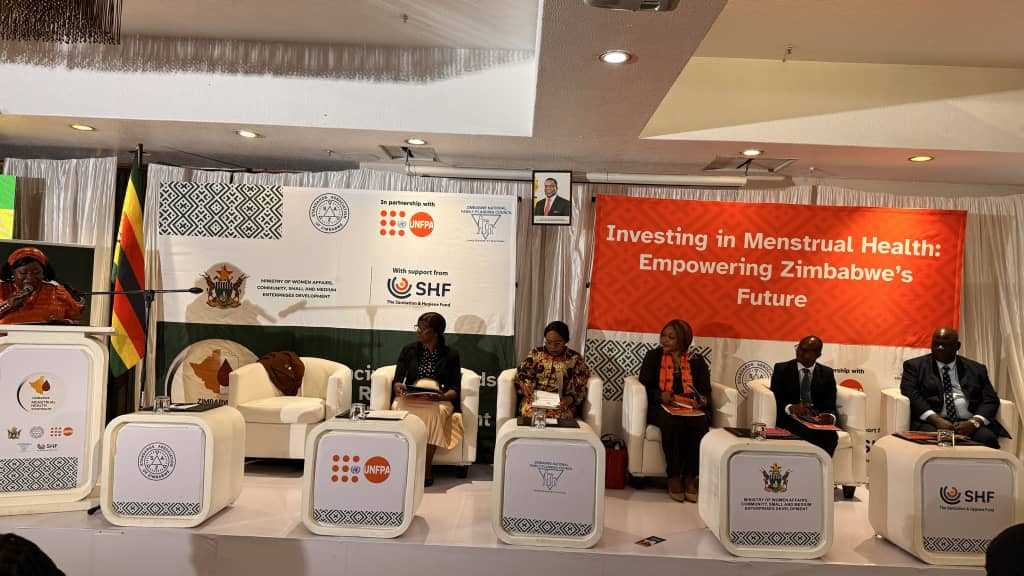
Menstrual health is no longer simply a health or welfare issue but an economic and human capital challenge that affects education, productivity and gender equality, delegates heard at the inaugural Zimbabwe Menstrual Health Symposium, as Government and development partners called for coordinated action to end period poverty.
The symposium, convened by the United Nations Population Fund, the Ministry of Women Affairs, Community, Small and Medium Enterprises Development, the Standards Association of Zimbabwe and other partners, is examining how menstrual health can be integrated into national policies on health, education, gender equality and human rights.
The discussions come as Zimbabwe continues to pursue universal access to sexual and reproductive health services while addressing barriers that prevent girls and women from participating fully in education and the economy.
Speaking at the symposium, UNFPA Zimbabwe Representative Miranda Tabifor said menstrual health should be viewed as part of the broader agenda of sexual and reproductive health rights, gender equality and bodily autonomy.
"We cannot achieve this vision that we talk about if half of the population is held back by a natural bodily process. Menstrual dignity is therefore linked to our sexual and reproductive health and rights mandate. It is linked to the gender equality agenda, and it is also linked to bodily autonomy."
She said the consequences of period poverty extend beyond a lack of sanitary products.
"When a girl child lacks access to safe products or faces stigma, her dignity is compromised, her health is endangered, her path towards self-actualisation is blocked. True bodily autonomy means having the power, having the resources, and the information to manage your body with safety and pride."
Related Stories
Tabifor's remarks place menstrual health within a broader development framework, arguing that barriers to managing menstruation safely can affect school attendance, educational attainment and future economic participation.
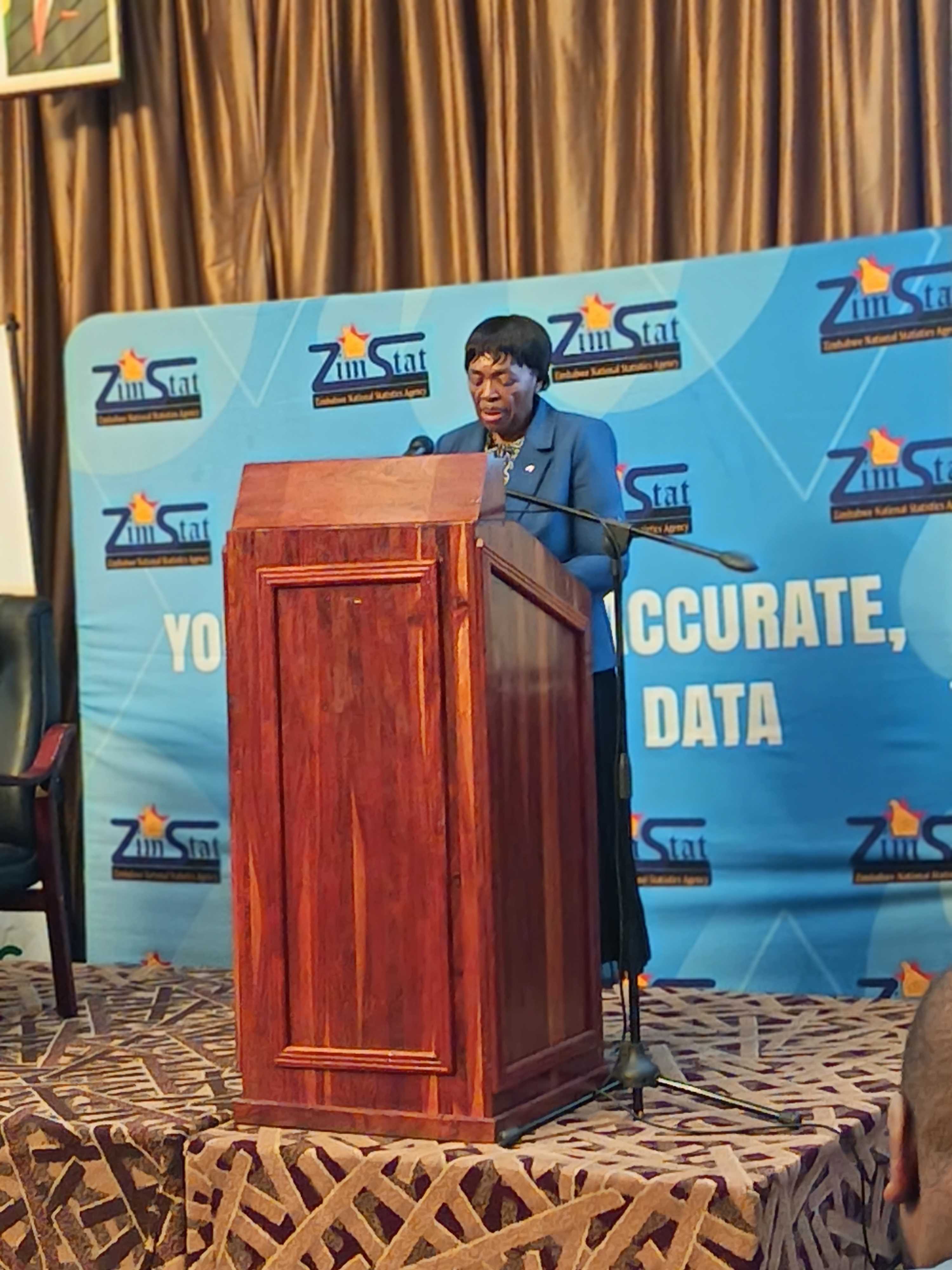
Minister of Women Affairs, Community, Small and Medium Enterprises Development Monica Mutsvangwa said menstrual health should increasingly be treated as an economic investment rather than solely a social responsibility.
"Investing in menstrual health is not a moral issue anymore; it's not like we are doing a favour to the girls. It is an economic issue."
She said Government would support recommendations emerging from the symposium aimed at strengthening policies that advance menstrual health and protect the rights of women and girls.
"Government will support any key recommendations and policies that champion the rights of women and girls in advancing menstrual health, ensuring no one is left behind."
The symposium is also focusing on strengthening the supply chain for menstrual health products.
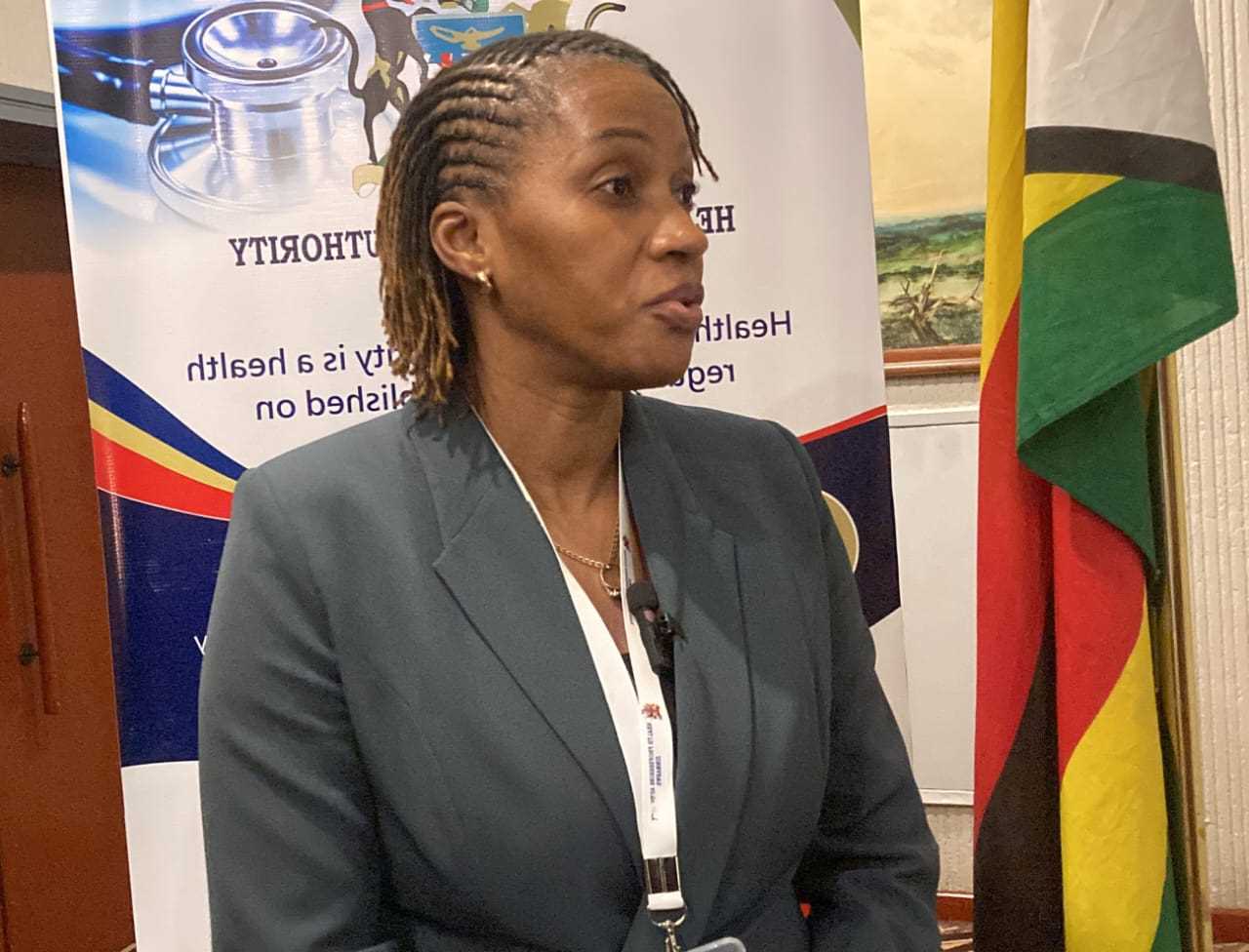
UNFPA East and Southern Africa Regional Office Supply Chain Specialist Eric Wakaria outlined the need to develop an ecosystem that delivers quality, affordable and sustainable menstrual health products, an issue that remains central to reducing period poverty and expanding access, particularly in underserved communities.
While awareness of menstrual health has increased in recent years, access to sanitary products remains uneven, with cost continuing to be a barrier for many households. Stakeholders have increasingly argued that improving menstrual health requires coordinated interventions spanning manufacturing, quality standards, procurement, education and community awareness, rather than product distribution alone.




Leave Comments