









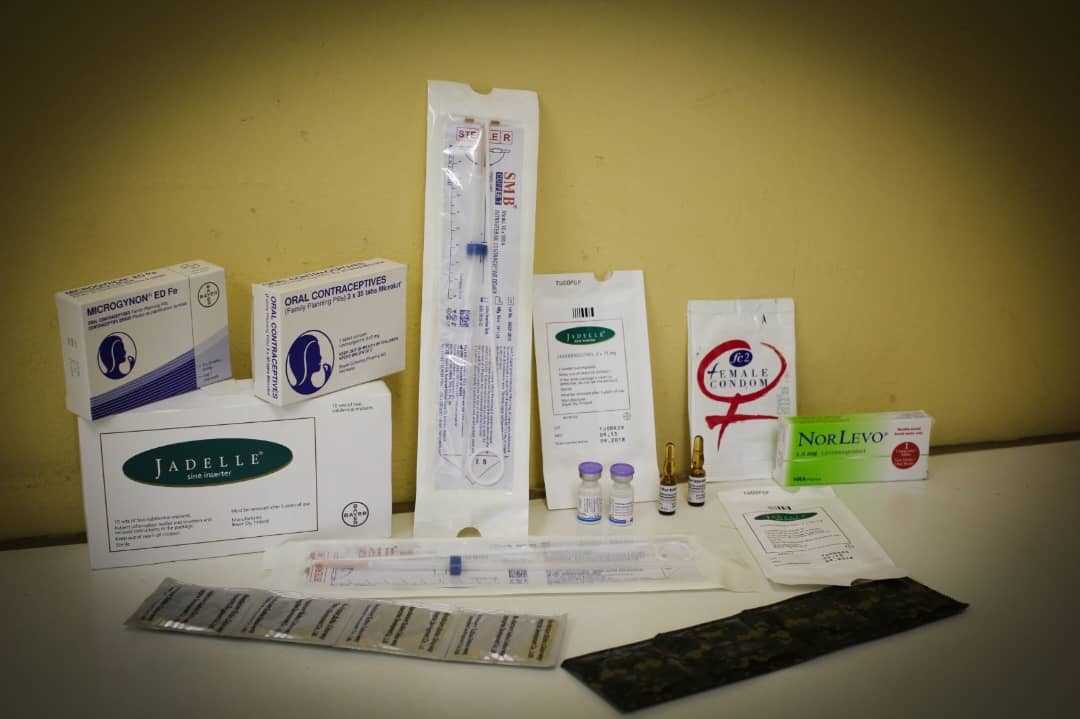
Modern contraceptive use helped avert an estimated 815,000 unintended pregnancies, 204,000 unsafe abortions and 2,250 maternal deaths in Zimbabwe in 2025, with health authorities and partners increasingly relying on community-based services to extend family planning to people living beyond conventional health facilities.
UNFPA Zimbabwe said about 2.232 million women used modern contraceptives during the year, with the results reflecting continued investment in family planning commodities, service delivery and community outreach.
The agency said its Health Resilience Fund, supported by European partners, and the UNFPA Supplies programme had helped maintain adequate stocks of family planning commodities at health facilities across the country.
“Strong partnerships build resilient systems where choice for contraceptives thrives!” UNFPA Zimbabwe said in a statement.
The gains come as Zimbabwe attempts to protect access to contraception amid pressure on development financing and persistent disparities between populations that can readily reach health facilities and those living in remote or underserved areas.
UNFPA's 2025 annual report recorded a modern contraceptive prevalence rate of 69%, but also identified remote communities, adolescent girls and other vulnerable groups among those still facing barriers to reproductive health services. The agency said its 2026 priorities include strengthening supply-chain resilience for sexual and reproductive health commodities and expanding services in remote and underserved areas.
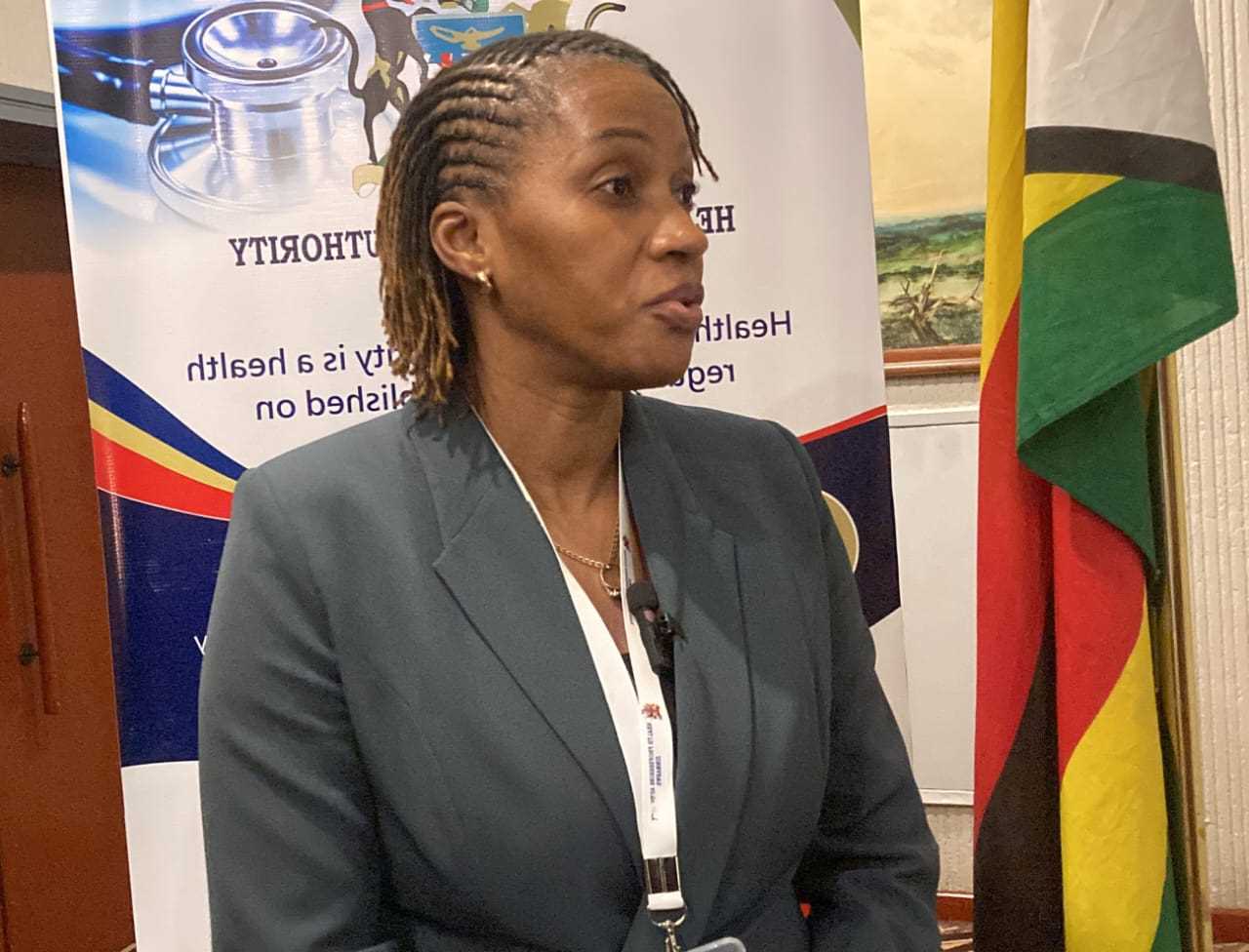
Zimbabwe National Family Planning Council executive director Farai Machinga has framed contraception as an issue of individual choice and reproductive rights rather than simply population control.
“Contraception is not about controlling lives, but it is about giving people control over their lives. It is about choice. It is about hope. It is about building a Zimbabwe where every child is born into a family ready to nurture them,” Machinga said during the launch of Zimbabwe's Contraceptive Cost Recovery Framework in 2025.
The Council's community-based distribution programme has become one of the mechanisms used to close the geographical gap between health facilities and communities.
According to the ZNFPC, community-based distributors provide information on family planning and reproductive health, distribute commodities such as condoms and oral contraceptive pills, and refer clients requiring more specialised services to health facilities. The programme is particularly important in rural areas where distance can make clinic-based services difficult to access.
The Council says the distributors are often drawn from the communities they serve, allowing them to build relationships with residents and provide information and services closer to where people live. Their role also includes addressing misconceptions about contraception and encouraging communities to seek appropriate reproductive health services.
Related Stories
The approach is particularly relevant for marginalised populations, where transport costs, distance, limited information and social attitudes can combine to discourage people from accessing contraception through conventional facilities.
UNFPA has previously acknowledged that Zimbabwe's progress in family planning has not eliminated those disparities. In 2024, the agency said more effort was required to reach people in remote areas as well as vulnerable groups, including young people and persons with disabilities. It also reported that unmet need among young people was 12.6%, compared with a national average of 10%.
The agency's latest assessment similarly identifies a 23.7% adolescent pregnancy rate and continuing socio-cultural barriers as concerns that leave some women and girls, particularly those in remote communities, at greater risk of being excluded from reproductive health services.
Mobile and community-based services have therefore become important complements to the formal health-facility network. UNFPA has documented programmes in rural communities where health workers and community members provide counselling, family planning and referrals, with community workers acting as links between residents and clinics.
The progress has also raised questions about how Zimbabwe will finance family planning as traditional donor support becomes less predictable.
For more than a decade, the country's contraceptive programme has relied heavily on external support, with UNFPA supplying a significant proportion of commodities. The government has consequently begun increasing domestic financing, including more than US$4.5 million spent on contraceptive procurement over the three years to 2025, according to Health Minister Douglas Mombeshora.
Zimbabwe also launched a Contraceptive Cost Recovery Framework in 2025 as part of efforts to strengthen domestic financing and reduce vulnerability to interruptions in donor support. The framework is intended to improve the sustainability of commodity procurement while maintaining access to family planning services.
The financing question is particularly important because gains in contraceptive access depend not only on demand but also on whether health facilities and community programmes have reliable supplies of the methods people choose.
UNFPA's 2025 results show the potential health impact of maintaining that access, with hundreds of thousands of unintended pregnancies and unsafe abortions estimated to have been prevented and thousands of maternal deaths averted. The agency has consequently identified supply-chain resilience as a priority as Zimbabwe moves into 2026.
For the Family Planning Council, the continued expansion of community-based services provides a way of taking family planning beyond the clinic and into communities where geographical and social barriers remain significant.
The figures therefore represent not only the number of women using modern contraception but also the wider health-system effort required to keep contraceptive choices available, affordable and physically accessible, particularly for women, adolescents and other groups who remain furthest from conventional health services.







Leave Comments