









Zimbabwe's family planning programme is undergoing a strategic review amid growing concerns over funding pressures, commodity security and the need to expand access to adolescents and underserved communities, even as the country continues to record some of the strongest contraceptive uptake rates in sub-Saharan Africa.
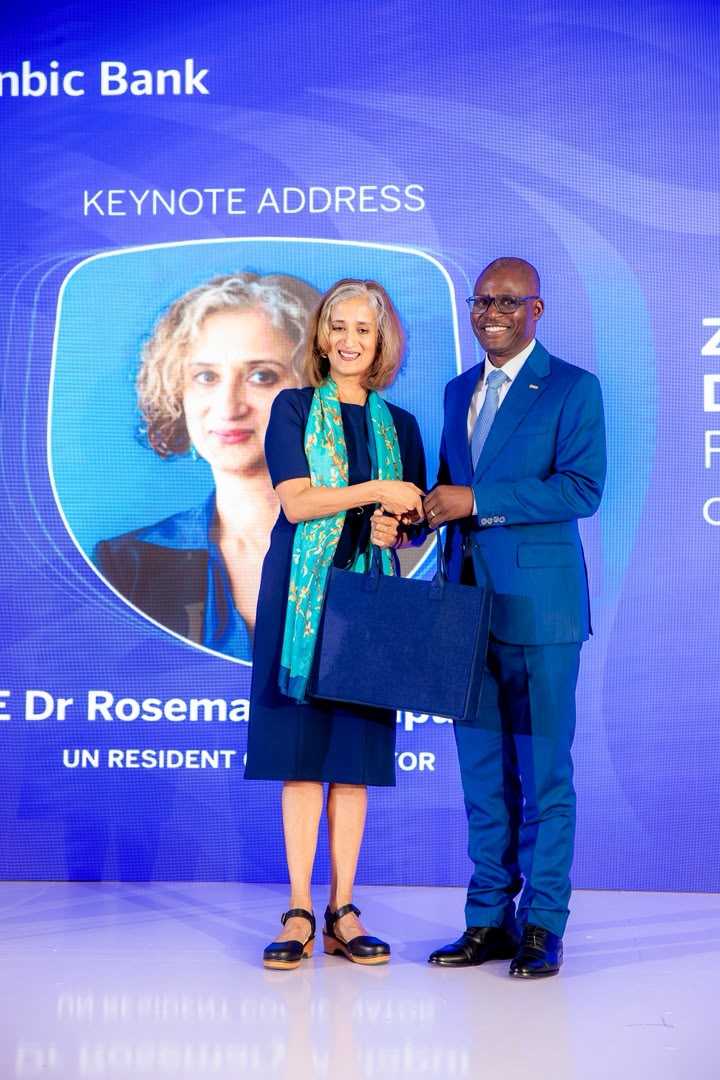
The review emerged during a meeting between United Nations Population Fund Zimbabwe Representative Miranda Tabifor, senior UNFPA officials and the Zimbabwe National Family Planning Council, where stakeholders assessed progress and challenges within the national family planning programme.
According to UNFPA Zimbabwe, discussions focused on expanding access to family planning services, addressing service delivery and commodity security challenges, reaching young people and underserved populations, and strengthening the sustainability and resilience of the health system.
"The engagement reaffirmed our shared commitment to universal access to family planning, recognizing it as central to women's health, gender equality, and sustainable development in Zimbabwe," UNFPA Zimbabwe said.
The review comes as Zimbabwe continues to be regarded as a regional success story in family planning. According to the 2023-24 Zimbabwe Demographic and Health Survey, the modern contraceptive prevalence rate among married women stands at around 69%, one of the highest rates in Africa and significantly above the regional average.
The country's family planning programme has been credited with contributing to reductions in fertility rates over the past three decades. ZDHS data shows Zimbabwe's total fertility rate declined from around 5.5 children per woman in the late 1980s to approximately 3.7 children today, reflecting increased access to reproductive health services and greater contraceptive use.
However, health experts warn that national averages often mask significant disparities.
While urban centres generally have better access to reproductive health services, women and girls in remote rural areas continue to face barriers including long travel distances to health facilities, shortages of trained personnel and periodic stock-outs of contraceptives.
Adolescents and young people remain another area of concern.
Related Stories
Despite progress in reproductive health awareness, Zimbabwe continues to record high levels of teenage pregnancies. Official figures from the Ministry of Health and Child Care have consistently shown thousands of girls falling pregnant before the age of 18 each year, with child rights organisations warning that early pregnancies contribute to school dropouts, maternal health risks and long-term poverty.
The emphasis on commodity security during the meeting also highlights a persistent vulnerability within Zimbabwe's health system.
Although family planning services are widely available through public health facilities, community-based distributors and outreach programmes, the country remains heavily reliant on donor support for contraceptive supplies. UNFPA has for years played a central role in procuring and distributing contraceptive commodities, helping to prevent shortages that could disrupt services.
Development partners have increasingly warned that declining global aid budgets could threaten gains made in sexual and reproductive health programmes across developing countries, placing greater pressure on governments to mobilise domestic resources.
For Zimbabwe, maintaining contraceptive availability has implications beyond reproductive health.
Studies by the World Bank, UNFPA and other international organisations have consistently linked family planning access to improved maternal health outcomes, lower maternal mortality rates, enhanced educational attainment among girls and stronger economic participation by women.
The programme is also viewed as critical to achieving national development goals.
According to UNFPA, voluntary family planning contributes directly to poverty reduction, gender equality, improved child health and sustainable economic development by enabling individuals and couples to make informed decisions about the timing and spacing of pregnancies.
However, reproductive health advocates argue that sustaining progress will require continued investment, particularly among populations that remain underserved by conventional health systems.
While Zimbabwe's family planning programme is frequently cited as one of the continent's strongest, officials acknowledge that challenges related to financing, commodity security and equitable access continue to threaten long-term sustainability.







Leave Comments