








What was meant to be a grand celebration of global football ended up becoming a public relations headache for the Ministry of Sport, Recreation, Arts and Culture after the 2026 FIFA World Cup Final watch party at the National Sports Stadium was met with a sparse crowd and widespread criticism from Zimbabweans.
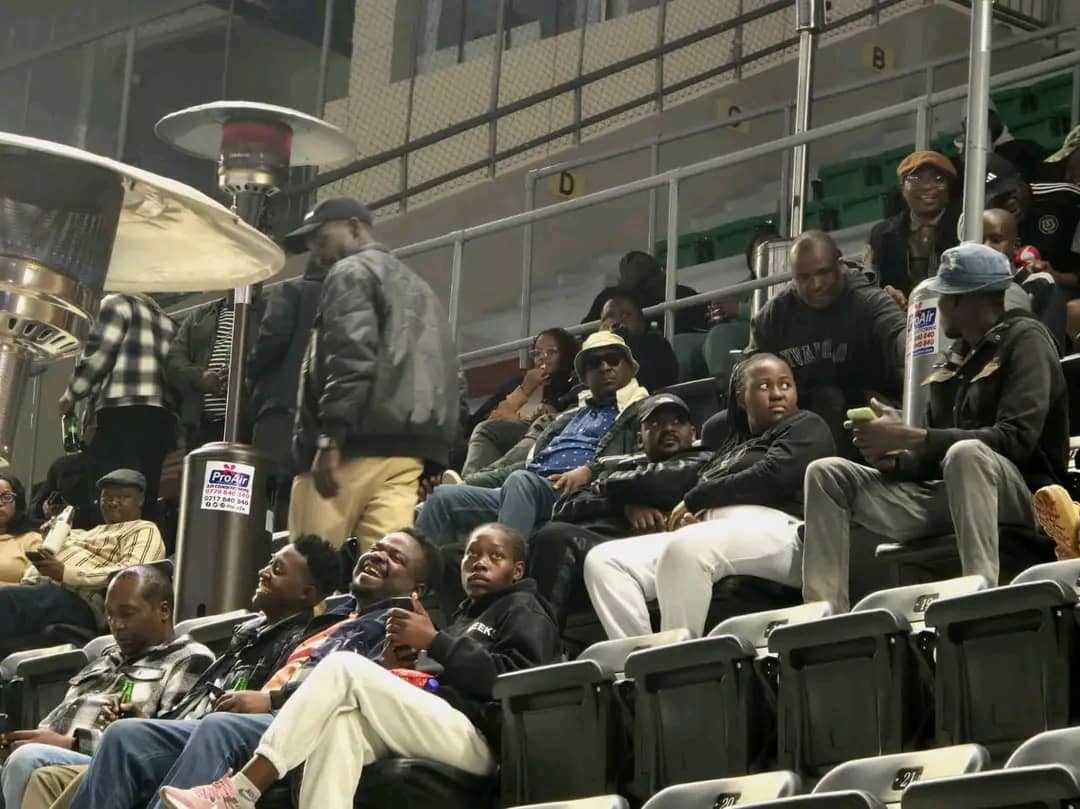
Pictures circulating on social media during Sunday's FIFA World Cup final showed vast sections of the country's largest stadium virtually empty, a sharp contrast to what many expected would be a vibrant gathering of football supporters. For many Zimbabweans, the event only became known after the images began trending online, raising questions about whether there had been adequate publicity or whether the concept itself had been poorly conceived.
The disappointing turnout has since ignited debate over who proposed the initiative, who organised it and whether public resources were prudently utilised at a time when Zimbabweans are grappling with economic challenges.
Critics argue that while public viewing events have become a common feature of major international tournaments across the world, their success depends on accessibility, strategic planning and meaningful engagement with football fans. Instead, many believe the National Sports Stadium event appeared detached from the realities of ordinary supporters.
Former Tourism Minister Walter Mzembi weighed into the debate by recalling Zimbabwe's investment in public viewing infrastructure during the 2010 FIFA World Cup in South Africa.
"I wonder what happened to the rest of the 36 Public Viewing Area (PVA) screens we imported for WC 2010; granted, four earned me a one-year jail term for 'donating' them to churches and the University of Zimbabwe according to the State, but wasn't the 2026 World Cup a valid cause for mounting 36 Fan Parks across the country by the Sports Ministry in addition to this empty National Sports Stadium elite-class watch show? Just wondering," Mzembi wrote.
His remarks have reopened discussion about the fate of the public viewing equipment acquired over a decade ago and whether decentralised fan parks would have attracted significantly larger crowds than a single event in Harare.
Social media users were equally unsparing in their criticism.
Related Stories
Reginald Sithole said the concept reflected outdated thinking.
"Fools think we are in those days where we used to gather at one house watching one TV and the whole neighbourhood would be cheering because someone owned a television. Those days are gone," he said.
Kwamwe Nyatsoka described the event as another avoidable public relations disaster.
"They always find ways to embarrass us. I can't deal with these idiots," he posted.
Another X user, Tif Kash, questioned whether the event had genuinely been intended for ordinary football supporters.
"Viewing party for their close associates with the tab being carried by the responsible ministry, full bar and catering," he alleged.
Buble De echoed similar sentiments, saying "I think the Zimbabwe Government thinks of new ways to embarrass us every day."
Beyond the social media criticism lies a broader debate about public event planning and the disconnect many Zimbabweans perceive between government initiatives and public expectations.
Football remains the country's most followed sport, and major international tournaments traditionally generate widespread excitement. Yet the poor attendance at the National Sports Stadium suggests authorities may have overestimated public appetite for travelling to a central venue without creating an attractive fan experience or adequately marketing the event.







Leave Comments