








Zimbabwe’s tobacco farmers are entering the next production cycle with a difficult calculation: even if improved weather delivers better leaf quality, will it translate into better earnings?
The 2025–2026 tobacco season exposed a growing gap between production success and farmer profitability. While Zimbabwe continues to expand output and maintain its position as one of the world’s leading tobacco suppliers, growers are facing pressure from falling prices, weather-related quality challenges and a global market experiencing increased competition.
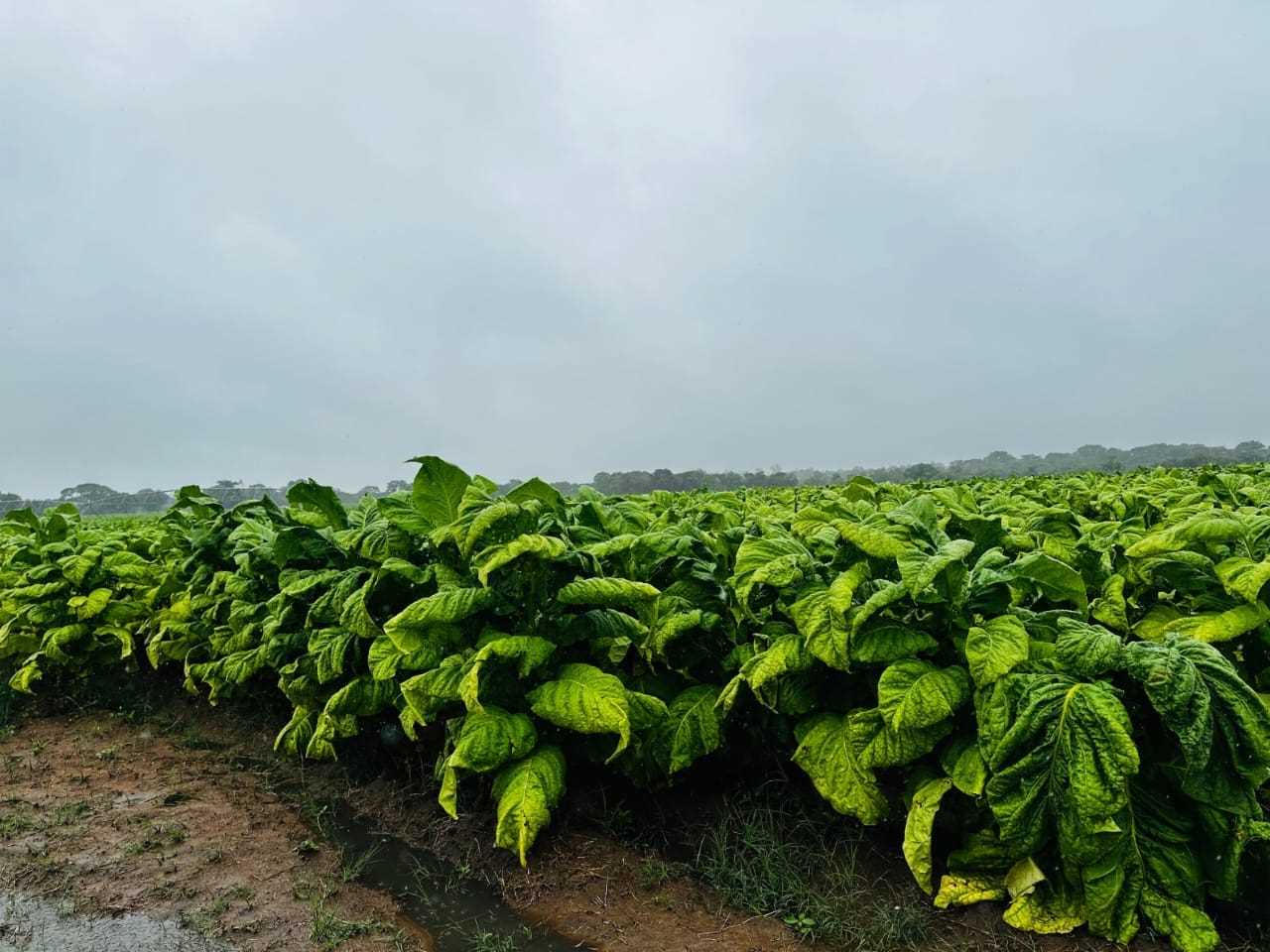
Agriculture Minister Anxious Masuka said the season was affected by heavy rains followed by a mid-season dry spell, which reduced leaf quality and resulted in lighter, spotted tobacco.
Masuka said tobacco generally performs better under drier conditions, raising expectations that a projected El Niño season could improve both quality and yields if rainfall patterns remain favourable.
However, farmers’ experiences at auction floors suggest that better weather alone may not resolve the sector’s biggest challenge — declining returns.
"The average tobacco price fell to US$2.49 per kilogramme during the 2025–2026 season from US$3.30/kg in the previous season, representing a decline of about 24.5 percent," Masuka said.
The decline was attributed to a combination of poor leaf quality and increased global supply from major producers, including Brazil, India and other African countries, giving buyers more options in the international market.
For farmers, the price reduction has raised concerns about whether tobacco production remains financially sustainable, particularly as production costs continue to rise.
At the beginning of the marketing season, some farmers rejected low offers at auction floors, arguing that the prices did not reflect the cost of producing the crop.
One farmer said: "I can't sell my tobacco at US$1/kg. What will I use to buy inputs for next season?"
Another farmer expressed frustration over the returns being offered, saying: "We are not happy because our tobacco is being bought at very low prices. We will not go back to the land if it remains like this."
Related Stories
The Zimbabwe Tobacco Growers Association also criticised the initial prices, with its president, George Seremwe, describing the offers as disappointing.
"It's disappointing, and we can't convince our farmers to give away their crop for a song," Seremwe said.
The complaints highlight a deeper issue facing Zimbabwe's tobacco industry: increased production has not always translated into higher earnings for growers.
Zimbabwe's tobacco sector has expanded significantly over the past decade, largely driven by small-scale farmers, who now account for the majority of production. This growth has helped tobacco remain one of the country's leading foreign currency earners, with export earnings increasing sharply in recent years.
However, the latest season shows that higher export earnings do not automatically translate into improved incomes at the farm level.
The challenge is that tobacco prices are determined not only by domestic production but also by international market conditions. A global oversupply means buyers can be more selective, placing greater emphasis on quality and specific leaf characteristics.
Weather remains an important factor. Excessive rainfall can affect leaf colour, texture and grading, while favourable dry conditions can improve curing and overall quality.
Better-quality tobacco generally attracts higher prices, which is why Masuka believes the expected El Niño conditions could provide an opportunity for farmers to recover.
However, analysts argue that improved weather will only address the production side of the problem. Zimbabwe must also compete in a market where other producers are increasing output and buyers have greater negotiating power.
For small-scale farmers, the consequences of lower prices could be significant. Tobacco income supports household expenses, school fees and investment in the next farming season. Reduced earnings could affect farmers' ability to purchase fertiliser, chemicals and other inputs.
The current situation also raises questions about whether Zimbabwe's tobacco strategy should continue focusing primarily on increasing production volumes or shift towards producing higher-value leaf.









Leave Comments