









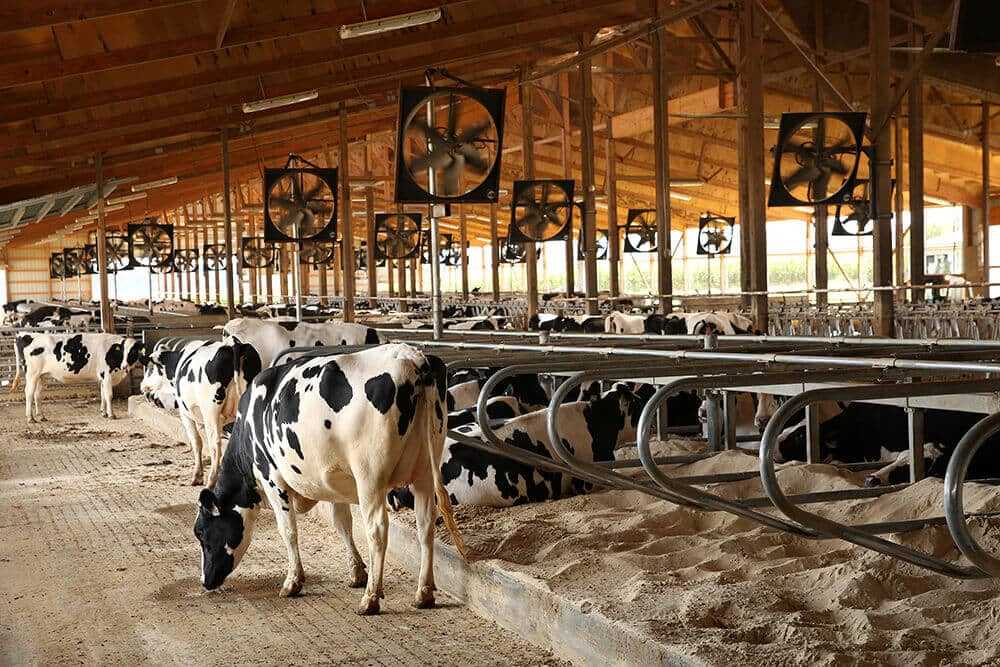
Zimbabwe is turning to improved cattle genetics to raise livestock productivity, with imports of US bovine genetics increasing by 35% in 2026 as farmers and breeders seek better fertility, growth rates and herd performance.
The increase was highlighted during the Southern Africa Livestock Genetics Roadshow in Zimbabwe, organised by the US Department of Agriculture’s Foreign Agricultural Service and US Livestock Genetics Export. The United States says it exported US$482 million worth of bovine genetics globally in 2025.
The growing trade comes as Zimbabwe seeks to expand its cattle industry, but the bigger question is whether imported genetics can deliver the productivity gains needed to transform a sector still constrained by drought, poor nutrition, disease, limited veterinary services and weak access to markets.
The Government wants to increase the national cattle herd to six million by 2030, but simply increasing animal numbers will not necessarily make the sector more productive. The focus is increasingly shifting towards the quality and performance of each animal.
Agriculture Deputy Minister Davis Marapira recently captured that approach when he said Zimbabwe’s cattle genetics were “vastly improving”, while praising breeding programmes using animals adapted to climate change and local conditions. He stressed that climate change had forced farmers to “rethink our farming models”.
That qualification is important because importing elite genetics from the United States does not automatically make Zimbabwean cattle more productive.
Genetics determine potential; nutrition, animal health, management and the environment determine how much of that potential is realised.
Zimbabwe’s livestock figures demonstrate the challenge. The beef herd grew by only 0.3% in 2025, from 5.741 million to 5.761 million cattle, while the dairy herd increased by 7.5% and raw milk production rose by 6.2% to 121.85 million litres.
The disparity suggests that livestock productivity is being influenced by far more than breeding stock.
There is nevertheless evidence that targeted genetic improvement can produce substantial results. Milton Makumbe, Director of the Fisheries and Aquaculture Resources Department, argued that better genetics need to move beyond commercial breeding centres into communal farming areas.
“We want to see a system where there is a flow of better genetics from commercial breeding centres into communal areas. This will improve growth rates, fertility, and ultimately increase the number of calves produced,” he said.
That may be the most important issue arising from the US initiative.
If improved genetics remain concentrated among commercial farmers who can afford imported semen, artificial insemination, specialist veterinary services and better feed, Zimbabwe could end up creating two livestock economies: highly productive commercial herds on one side and much lower-productivity communal herds on the other.
The economic potential of genetics is clear. A single high-quality bull can influence a large number of offspring, while artificial insemination allows farmers to access elite genetics without purchasing and maintaining expensive breeding bulls. US livestock specialist Christian Lewis has put the cost of artificial insemination at about US$60-US$70 per head in some programmes, with elite semen straws sometimes costing less than US$50.
But the economics only work if the resulting animals survive, reproduce and gain weight efficiently.
That is where Zimbabwe’s production environment becomes critical.
The country’s cattle farmers face recurrent drought, shrinking grazing areas, disease outbreaks and inadequate feed. In Matabeleland South, for example, the Government has recently raised concerns about severe pasture pressure and illegal mining activities destroying grazing land.
Related Stories
Marapira warned that illegal gold mining was shrinking available grazing areas and said: “Land use planning remains just desk work until the relevant ministries address these anomalies.”
That illustrates the limits of a genetics-first strategy.
There is little economic value in introducing drought-tolerant genetics into a herd whose grazing land is being destroyed, or importing high-performance animals without ensuring sufficient feed and water.
Zimbabwe’s own experience with dairy crossbreeding provides a more concrete example of what genetics can achieve when combined with appropriate management.
A Zimbabwean dairy operation using crossbreeding reported production of about 27kg of milk per cow per day from a 700-cow intensive herd, while another extensive system recorded yields of 13kg-20kg per cow per day. The farmer, Ajs Kirk, said: “Crossbreeding works very well in this country. We want productive, healthy, and fertile cows, and over the years, we have got excellent results with crossbreeding.”
Those results show why the debate should not be framed simply as US genetics versus local cattle.
A breed that produces exceptionally well under intensive feeding in the United States may not necessarily outperform an adapted Zimbabwean breed under drought, heat and low-input communal conditions.
That is why the country’s own genetic resources remain important. Government programmes are promoting indigenous and adapted breeds, including Tuli, Mashona and Nkone, alongside artificial insemination and structured breeding. The objective is not merely to produce larger cattle but animals capable of reproducing and surviving under local conditions.
This creates a potentially productive role for US technology if it is used to complement, rather than replace, Zimbabwean genetic resources.
The real opportunity may lie in combining advanced genomic selection and reproductive technology with breeds that have already demonstrated adaptation to Zimbabwe’s climate.
Zimbabwe remains dependent on domestic livestock production to supply meat and dairy products, while the Government is simultaneously trying to reduce agricultural imports. Higher productivity per animal could allow the country to increase meat and milk output without having to expand the national herd at the same rate.
That matters environmentally as well as economically. More productive animals mean more output from the same grazing resources.
Research on beef productivity shows that reducing the inter-calving period and increasing weaning weights can significantly improve output per breeding cow. A 5% reduction in the inter-calving period, for example, has been associated with a 7.3% improvement in overall cow productivity.
Zimbabwe needs to measure accordingly whether its genetic programmes are actually improving those indicators.
A 35% increase in US genetics imports is a useful trade statistic, but it is not a productivity statistic.
The important numbers over the next few years should be conception rates, calving intervals, calf survival, weaning weights, slaughter weights, milk yield, disease losses and farmer income.
If those indicators improve significantly among farmers adopting improved genetics, the investment will have demonstrated its value.
If imports rise while those indicators remain stagnant, Zimbabwe will simply be spending more foreign currency on better breeding material without fixing the systems needed to exploit it.







Leave Comments