





Zimbabwe is seeking to turn its improving macroeconomic stability into higher productive investment, as the Government moves to make increased production, enterprise growth and industrial expansion the next test of its competitiveness reforms.
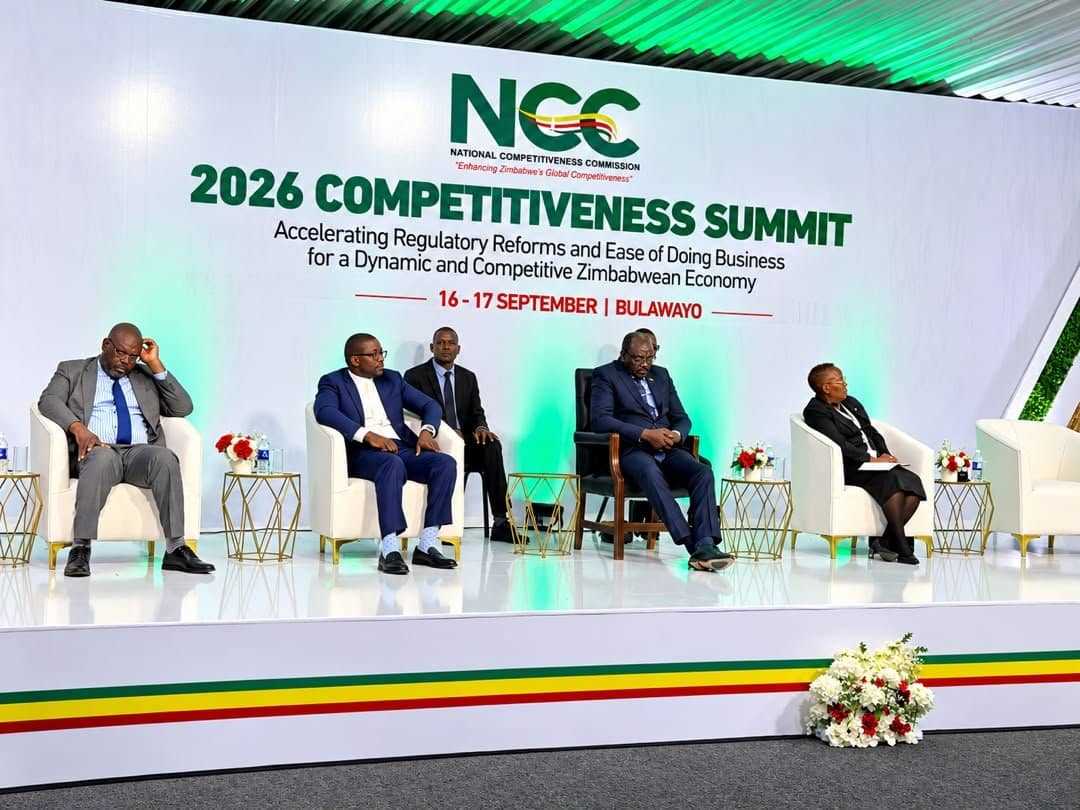
Speaking at the Second Competitiveness Summit in Bulawayo, Industry and Commerce Minister Mangaliso Ndlovu said the quality of Zimbabwe’s business environment would be central to attracting investment and improving productivity.
“The competitiveness of our economy is fundamentally shaped by the quality of our regulatory environment,” Ndlovu said.
“It is a collective responsibility to ensure that regulation facilitates enterprise, investment, innovation and productivity,” he added, stressing that the success of the summit would ultimately be measured by the reforms that follow.
The summit resolved that macroeconomic stability must translate into productive investment, placing emphasis on ensuring that improvements in inflation, exchange-rate stability and economic growth begin generating stronger investment in productive sectors.
The resolution comes as Zimbabwe records a marked improvement in some macroeconomic indicators. The International Monetary Fund said this week that annual inflation stood at 2.9 percent in August 2026, while the economy is projected to grow by 5 percent this year, following 8.3 percent growth in 2025. The IMF also expects the current account to remain in surplus.
However, the stabilisation of the economy has not automatically translated into broad-based productive investment, creating a new challenge for policymakers seeking to consolidate the recovery.
World Bank Division Director for Malawi, Tanzania, Zambia and Zimbabwe Firas Raad said Zimbabwe now needed to convert the gains from economic stabilisation into tangible improvements across the wider economy.
Related Stories
“The central task now is ensuring that the macroeconomic stability translates into more and better economic opportunities for Zimbabweans and better living standards,” Raad said.
The World Bank has identified infrastructure, access to finance and the business environment among the constraints that need to be addressed if Zimbabwe is to attract more private investment. It estimates that electricity shortages cost the economy about 6.1 percent of GDP annually, highlighting the direct connection between infrastructure reliability and productive capacity.
World Bank Senior Economist Victor Steenbergen said the country had a window of opportunity created by recent stabilisation, but sustained implementation would determine whether those gains could be converted into longer-term economic growth.
“The window of opportunity created by recent stabilization is open, but decisive and coordinated execution over multiple years will be essential,” Steenbergen said.
For Zimbabwe, productive investment is particularly important because economic growth needs to translate into higher domestic production rather than remain concentrated in consumption and low-productivity activities.
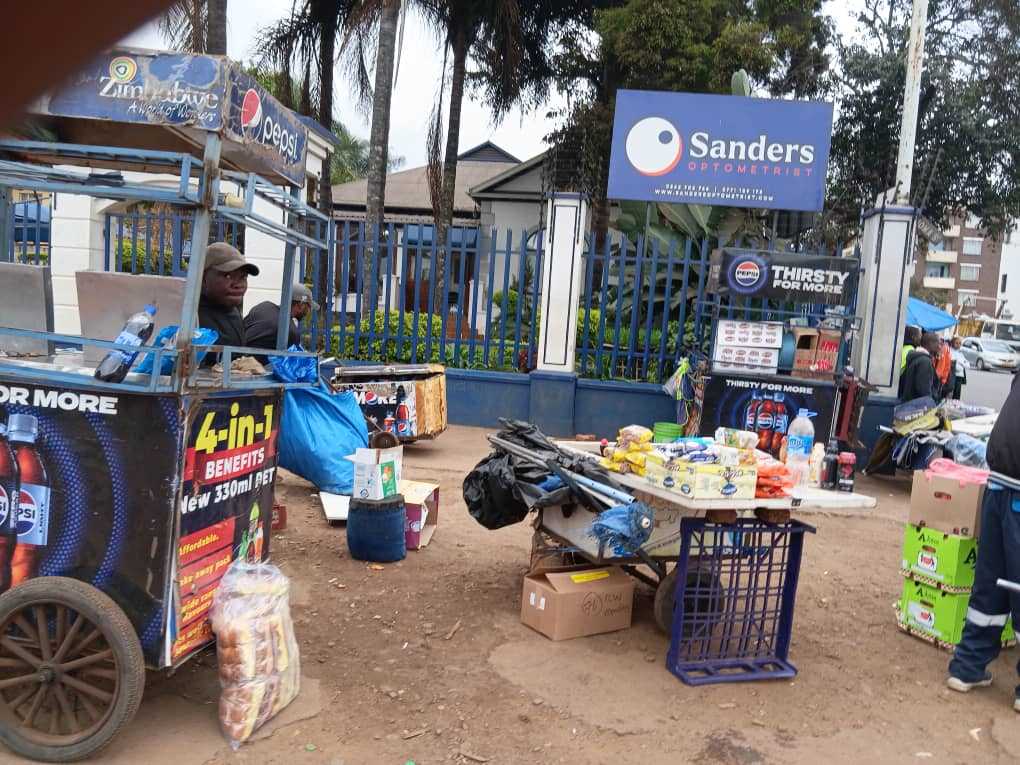
The World Bank has noted that about 80 percent of Zimbabweans work in the informal sector, with much of the movement of labour occurring into low-productivity retail and informal services rather than formal manufacturing and higher-value activities.
This makes the summit’s investment resolution closely connected to its other priorities, including strengthening enterprise and export readiness, accelerating digital service delivery, linking infrastructure development to value addition and sectoral linkages, and ensuring that skills, research and innovation support industrial upgrading.
The Government is also seeking to provide a wider framework through the National Competitiveness Strategy 2026–2030, launched during the summit, which identifies access to finance, infrastructure, human capital, regulatory reform and economic resilience as areas requiring action to improve the operating environment for businesses.





Leave Comments