





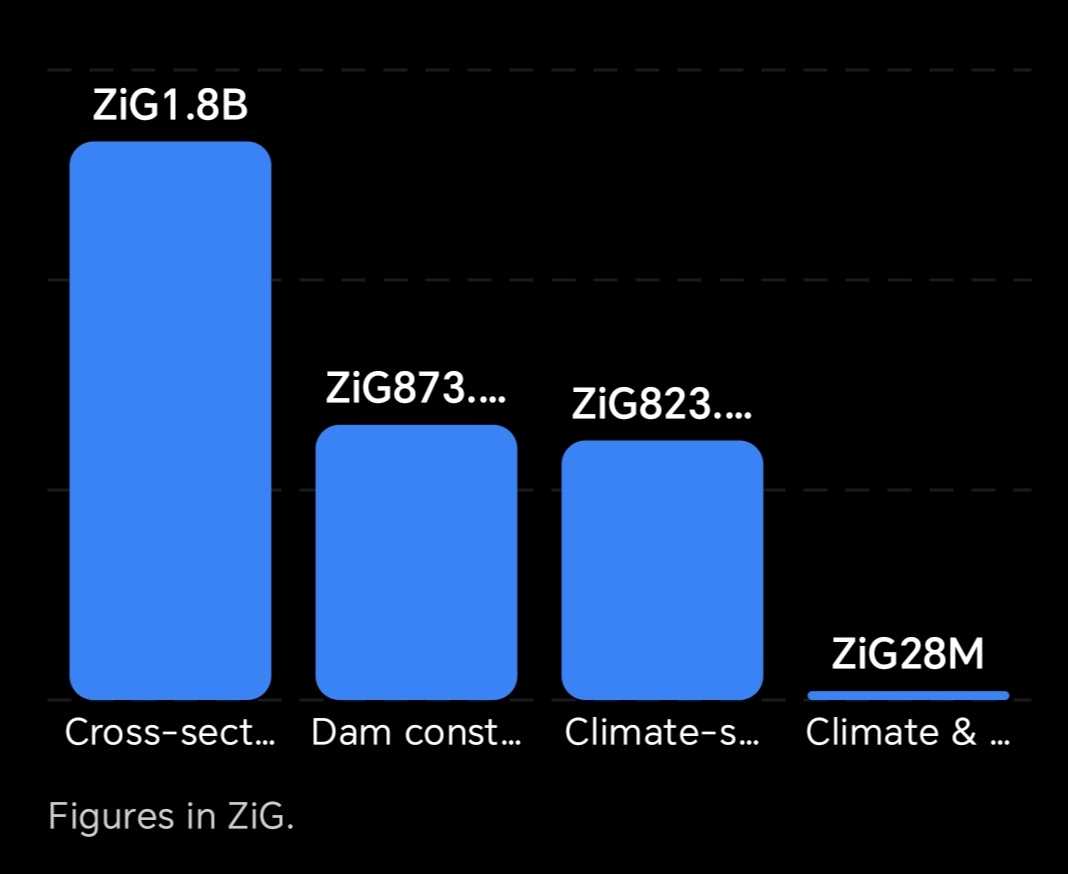
Zimbabwe’s 2026 Budget set aside ZiG1.773 billion for cross-sector climate interventions, but young people are now calling for closer scrutiny of how such allocations translate into projects and services ahead of the 2027 National Budget.
The figure was highlighted during the National Youth Budget Processes Dialogue held on September 29, 2026, under the theme “From Climate Risk to Budget Power.”
Zimbabwe’s 2026 Budget has a total resource envelope of ZiG301.6 billion, with a revenue target of ZiG287.6 billion.
Of the climate-related allocations presented at the dialogue, ZiG873.6 million was allocated to dam construction, while ZiG823.8 million went towards climate-smart agriculture and irrigation.
A further ZiG28 million was allocated to climate and weather monitoring.
The figures show that disaster risk reduction and climate resilience are funded across different sectors rather than being limited to one ministry.
However, the dialogue challenged young people to look beyond the amounts announced in the Budget and track what happens to the money after allocation.
“Allocation ≠ release ≠ expenditure ≠ outcome,” the presentation stated.
Related Stories
The distinction is important because an amount approved in the National Budget does not necessarily mean that the full amount is released or spent, while expenditure does not automatically translate into improved services for communities.
Young people were encouraged to track the entire budget chain by asking: What was promised? How much was budgeted? How much was released? How much was spent? What was delivered? Who benefited? What changed?
The call comes as Zimbabwe prepares its 2027 National Budget, with the 2027 Budget Strategy Paper already published alongside the 2026 Mid-Term Budget and Economic Review on July 30.
The youth dialogue encouraged young people and civil society organisations to use the document to develop evidence-based demands and push for climate resilience to be reflected across government spending.
Participants were also urged to identify disaster risks in their communities and link them to specific budget priorities instead of making broad calls for government intervention.
The proposed 90-day youth budget action plan includes gathering evidence on community risks, analysing the 2027 Budget Strategy Paper, developing costed demands and engaging policymakers.
The session was coordinated by Fight Inequality Alliance Zimbabwe National Coordinator Nqobizitha Mlambo.
The message from the dialogue was that young people should not only ask government for more money for climate and disaster risk reduction, but should also follow the money and demand accountability for what it delivers.





Leave Comments