









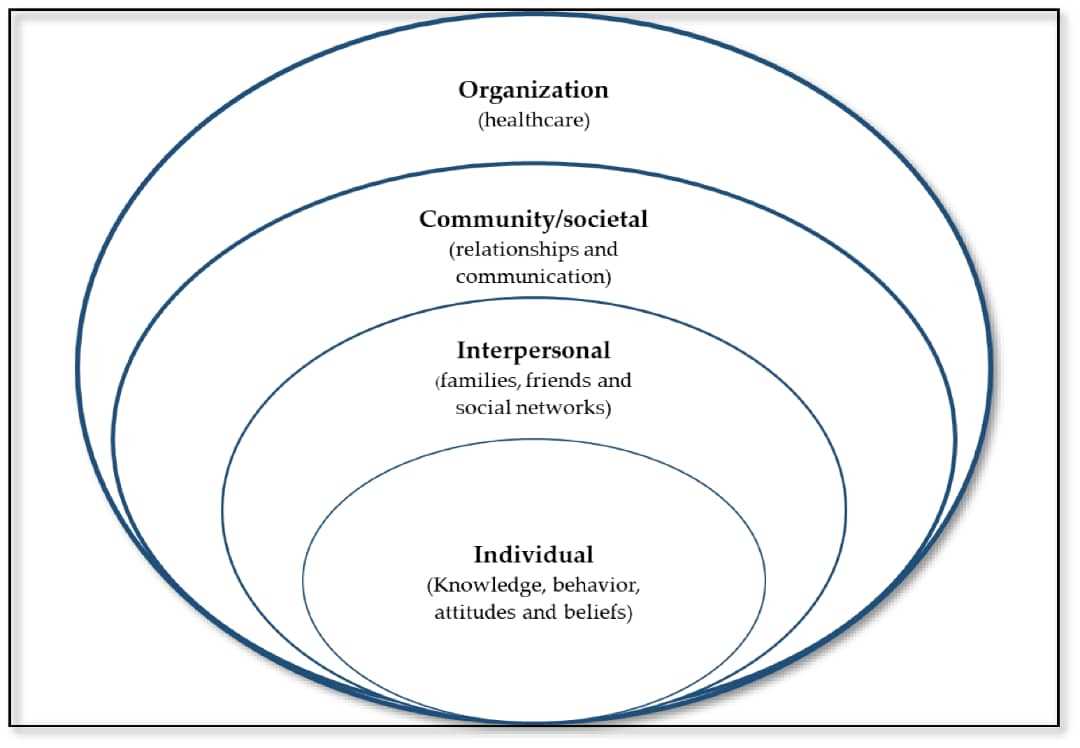
Zimbabwe’s sexual and reproductive health crisis is increasingly exposing a problem that cannot be solved simply by building clinics, distributing condoms or producing more health messages: people cannot always act on information they are afraid, embarrassed or socially discouraged from discussing.
Pangaea Zimbabwe says open community conversations are critical to confronting myths and misinformation that continue to shape decisions around sexual and reproductive health and rights, particularly among adolescents and young people.
“Knowledge starts with conversation. When communities share experiences and address myths, they build trust and help people make informed choices about their sexual and reproductive health and rights.”
The message comes against a persistent reproductive-health burden. Zimbabwe’s 2023 National Assessment on Adolescent Pregnancies found that adolescent pregnancy prevalence had risen to 22% in 2023, from 9% in 2016. Between 2019 and 2022, 358,458 pregnant adolescents aged 10 to 19 were recorded among more than 1.7 million antenatal-care bookings in 1,560 health facilities. The assessment also found that about a quarter of the 1,532 maternal deaths recorded during the period involved adolescents and young women under 24.
The figures expose the limits of treating SRHR as simply a question of service availability.
A young person may technically have access to contraception, HIV testing, sexually transmitted infection treatment or pregnancy counselling, but still avoid those services because asking questions about sex can invite judgement at home, in the community or even at a health facility.
Pangaea’s work through its SHAZ! Hubs illustrates why the environment in which services are offered matters. The organisation describes the hubs as safe and discreet spaces where adolescents and young adults can obtain HIV testing, STI screening and treatment, pregnancy testing, contraception and counselling. It says improved service uptake has followed youth engagement, literacy sessions and community outreach.
The experience of Charlotte Makoshori, from the Mazowe SHAZ! Hub, points directly to the misinformation problem. She said many young people hesitate to access family planning and PrEP because of misconceptions, with the hub using safe spaces to help young people distinguish information from myths.
Related Stories
That matters because misinformation does not operate in isolation. It often gains authority from silence. When parents avoid discussing sexuality, when schools are reluctant to address sensitive reproductive-health questions and when young people fear being labelled promiscuous for seeking contraception, inaccurate information can fill the gap.
A study examining adolescent sexuality in Harare found that parents interviewed frequently denied that their adolescent children were sexually active. Researchers linked that denial to problems around sexual communication, STI and HIV prevention, and access to sexual-health education, warning that denying adolescent sexuality can undermine young people’s ability to protect themselves.
The National Adolescent Fertility Study found that only 4% of adolescents aged 10 to 19 had comprehensive knowledge about pregnancy, while 77% believed that using contraceptives such as condoms and pills was a sign of promiscuity. The study identified a lack of comprehensive knowledge and poor attitudes towards sexual and reproductive health among the factors associated with adolescent pregnancy.
That finding shows that misinformation is not merely an information deficit. It can become a social norm. A girl who believes contraception signals promiscuity may avoid it. A boy who associates HIV prevention with mistrust may reject condoms or PrEP. A parent who believes discussing contraception encourages sexual activity may prevent a teenager from receiving accurate information. A young person who fears being recognised at a clinic may simply stay away.
That is particularly important in a country where young people form a substantial share of the population. UNFPA says 62% of Zimbabwe’s population is below the age of 25, while identifying teenage pregnancy, HIV and other sexually transmitted infections, unsafe abortion, child marriage and inadequate access to SRHR information and services among the challenges confronting young people.
The Government and its partners have now acknowledged that the adolescent pregnancy problem requires action beyond the health sector.
In June 2026, Zimbabwe launched a National Framework for the Prevention and Response to Adolescent Pregnancies, designed around a “Whole-of-Government” and “Whole-of-Society” approach. The framework incorporates the Not-In-My-Village campaign and places traditional and religious leaders at the centre of community-level efforts to address child marriage, gender-based violence and stigma surrounding adolescent pregnancy. UNFPA put adolescent pregnancy prevalence at 23.7%, meaning nearly one in four girls aged 15 to 19 had begun childbearing.
UNFPA’s 2025 annual report also acknowledged that entrenched socio-cultural norms continue to contribute to the country’s 23.7% adolescent pregnancy rate, while identifying the expansion of youth-friendly facilities and integrated SRHR and HIV services as priorities.






Leave Comments