








Cuts to health funding and growing attacks on gender and reproductive rights are threatening access to essential services for women and girls, health and rights experts have warned.
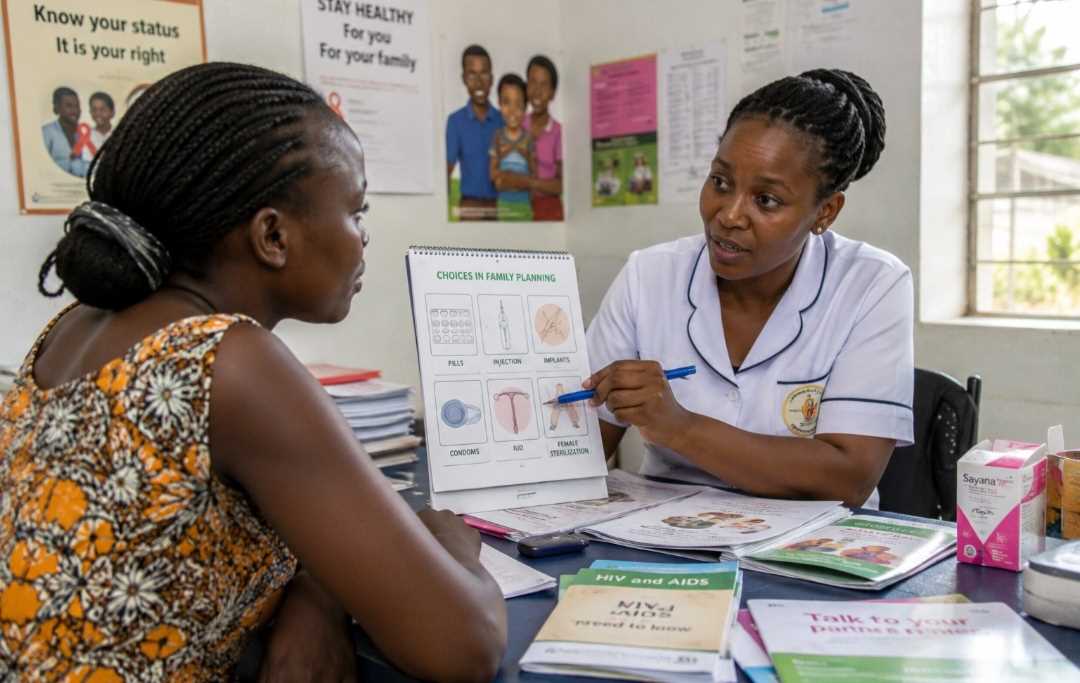
Speaking at the SHE & Rights session at AIDS 2026 in Rio de Janeiro, experts said reduced funding for community-led programmes was already affecting access to HIV services, contraception, abortion care and other sexual and reproductive health services.
SHE & Rights leader Shobha Shukla said the global AIDS response was at a critical point as attacks on health and gender rights increase.
“Whatever progress has been made in the global AIDS response is threatened by sinister rise of attacks on health and gender rights.”
A 2026 study covering 47 countries found steep reductions in community-led services, including an 82% reduction in services for sex workers and a 72% reduction in services for survivors of gender-based violence.
Shukla said protecting gender equality was essential to improving health outcomes.
“Gender equality is one of the strongest HIV prevention strategies. We cannot end AIDS without gender equality, bodily autonomy and the leadership of women in all their diversity.”
Related Stories
The impact of funding cuts was highlighted by Nelly Munyasia, Executive Director of Reproductive Health Network Kenya, who described the effects of the 2025 USAID stop-work order on healthcare services in Kenya.
“We saw shelves go dry,” Munyasia said, noting that HIV medicines, family planning supplies, check-ups and referrals were among services affected.
A baseline survey conducted in five Kenyan counties in July found increases in unintended pregnancies, HIV infections and reinfections, as well as unsafe abortions.
Dr Edison Oduor of RHNK said healthcare cannot be delivered in isolated programmes because women and girls experience multiple health needs simultaneously.
“You cannot treat a girl in silos because communities do not experience health challenges in isolation and therefore the health system should not deliver health services in isolation.”
He called for integrated services combining sexual and reproductive health, HIV care, contraception, maternal health, gender-based violence response, cervical cancer screening and self-care.
The experts said stronger public health systems, sustained domestic financing and community-led services are needed to protect access to care as international funding declines.
For women and girls, the message is clear: protecting health also means protecting the rights and systems that make healthcare accessible.






Leave Comments