









Zimbabwe needs to move away from repeatedly spending resources responding to climate emergencies and instead invest in measures that make farms more resilient before shocks strike, Agriculture Permanent Secretary Obert Jiri has said.
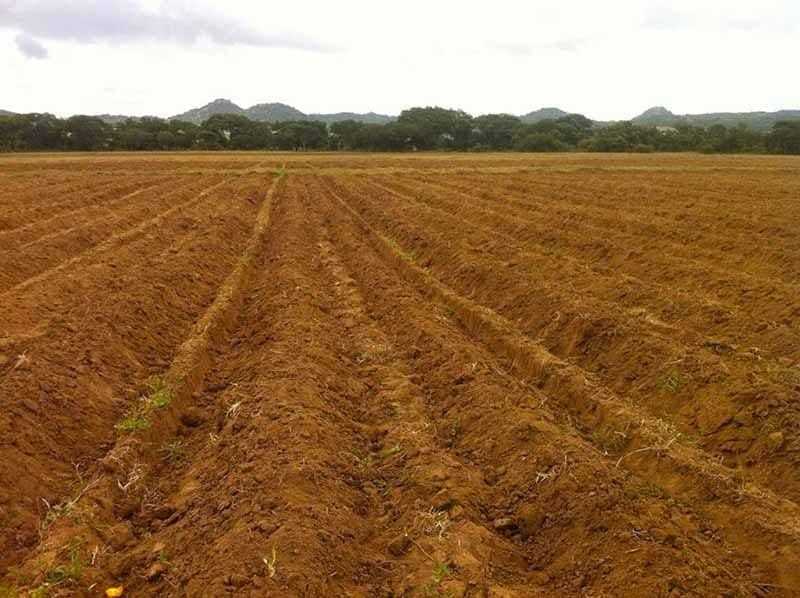
Jiri said soil health should be treated as a core component of the country’s climate-resilience strategy, arguing that degraded soils leave farmers more exposed to drought by reducing their ability to retain water and nutrients.
“There is an urgent need to shift from repeatedly responding to climate emergencies towards investing in measures that reduce vulnerability before disasters occur,” Jiri said.
He said healthy soils can retain more water, improve nutrient-use efficiency and help agricultural systems maintain production and recover faster after drought.
“Degraded soils, on the other hand, lose water and nutrients more easily and increase the vulnerability of farms and surrounding landscapes,” he said.
Related Stories
The intervention comes as Zimbabwe prepares for the 2026/27 agricultural season amid heightened climate uncertainty. The Government and development partners have been pushing for a shift towards anticipatory action, with Jiri previously arguing that the cost of preparing for climate shocks is lower than dealing with their consequences.
However, Jiri cautioned against treating soil restoration as a stand-alone solution.
“Resilience cannot depend on a single intervention. Healthy soils need to be supported by better water management, restored landscapes, suitable crops and livestock, agroforestry, extension services and timely climate information,” he said.
The emphasis on soils comes as evidence from Zimbabwe points to declining soil fertility in some farming communities, with acidity, erosion, inadequate fertiliser application, monocropping and poor soil management identified among the problems affecting productivity.
The Food and Agriculture Organization (FAO) has this year expanded its work with Zimbabwe on soil testing, sustainable fertiliser management and farmer training, including efforts to strengthen soil laboratories and field demonstrations.
The policy challenge, however, is moving soil-health measures beyond projects and into routine farm management. Farmers need access to testing, appropriate inputs, extension support and financing if soil restoration is to translate into higher productivity.







Leave Comments