





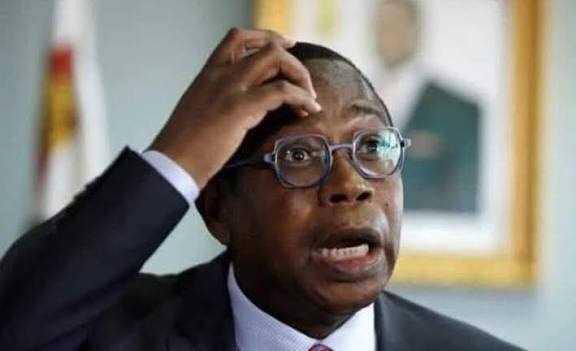
Finance, Economic Development and Investment Promotion Minister Mthuli Ncube has indicated that the government will revise several tax and expenditure proposals in the 2026 National Budget following strong pushback from parliamentary committees, legislators, and the public.
Responding to committee reports and contributions during the budget debate in the National Assembly, Ncube acknowledged concerns over withdrawal tax thresholds, gold royalties, and funding gaps across key ministries, while standing firm on measures such as the proposed digital tax and differentiated IMTT rates.
IMTT: No Equalisation Between USD and ZiG
MPs had appealed for a reduction of the interbank mobile money transfer tax (IMTT) to 1% across both currencies and a complete withdrawal of bank cash-withdrawal taxes.
However, Prof. Ncube said the government would maintain a lower IMTT rate for ZiG to promote local-currency use.
“We want to make sure that ZiG transactions have an advantage over USD transactions,” he said, confirming that the 1.5% IMTT on ZiG and 2% on USD will remain.
He nevertheless pledged downward adjustments to withdrawal tax bands in response to widespread public concerns.
VAT Hike to Stay
The Minister defended the proposed VAT increase from 15% to 15.5%, noting that Zimbabwe remains below regional peers.
“Zambia and Mozambique are at 16%, Tanzania at 18%. We are still lower, and core commodities consumed by low-income groups remain zero-rated,” he said.
Mining Royalties and Export Taxes Adjusted
In response to criticism from the Chamber of Mines and parliamentary committees, Ncube said the upper gold royalty tier, pegged at 10% for prices above US$2 500/oz, will be reduced.
He also confirmed adjustments to proposed royalties based on international benchmark prices, citing complexities in linking capital expenditure deductibility to mine lifespan.
On lithium, he said export taxes on ore and concentrate (both at 10%) and zero-rated lithium sulphate align with current beneficiation investments in Goromonzi and Bikita.
Sectoral Funding Requests: Mixed Outcomes
Related Stories
Numerous portfolio committees requested higher allocations for ministries and State entities. Ncube agreed to consider increases for:
- ZIMRA, ZimStats, IDBZ, and Printflow
- The Office of the Auditor-General, including additional funds for travel, fuel, and staff retention
- Industry and Commerce, particularly value chain support
- Local Government, focusing on the Council of Chiefs
- Tourism, including capitalisation of the Tourism Training Academy
- Women’s Affairs and Youth portfolios
He also pledged to explore support for sanitary-wear programmes, school infrastructure, disability services, refugee support, and grain transport logistics.
NRZ: Budget Not Increasing
The National Railways of Zimbabwe will not receive a major budget increase despite committee appeals. Prof. Ncube said the entity, now under the Mutapa Investment Fund, is close to securing external capital injections ranging from US$200 million to US$600 million, making the budget allocation a “gesture.”
Multi-Currency Regime: No More Deadlines
Responding to opposition MP Zivai Mhetu’s call for a 20-year extension of the multi-currency system to enable long-term mortgages, Ncube said the government now prefers not to set any dates at all.
“The moment you introduce a year, economic agents use it as a contracting date… the closer we get to that date, the shorter the contracts. We should have no date.”
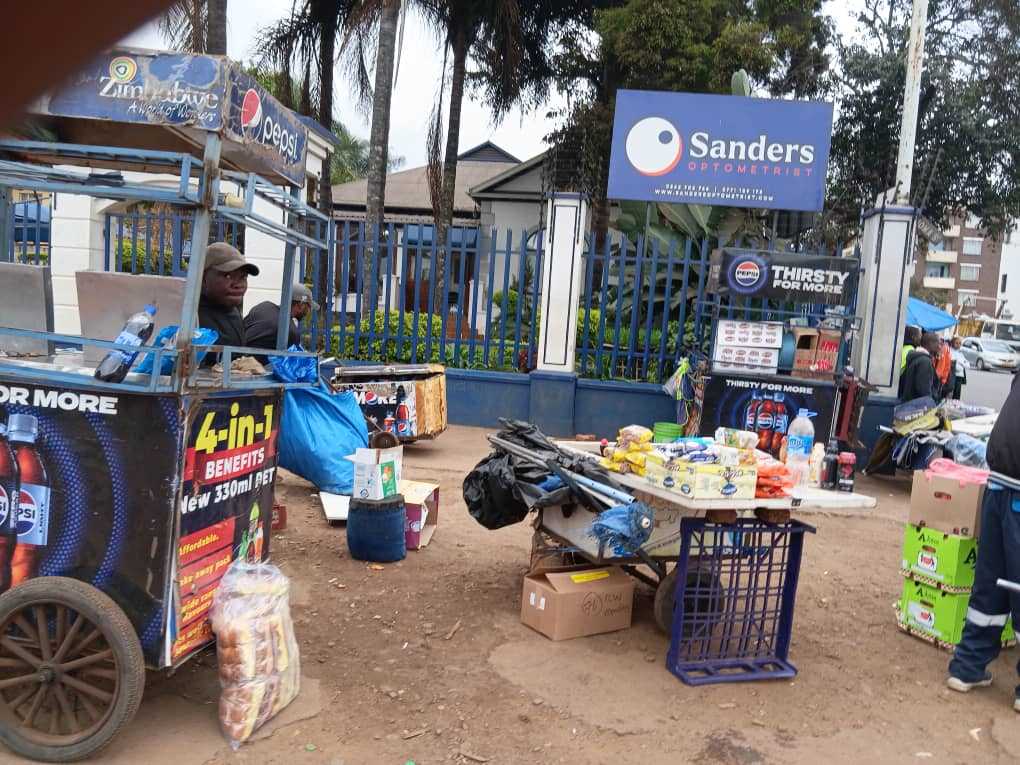
Informal Sector Taxation and GDP Emphasis
MPs debated the need to broaden the tax base, especially in the informal sector. Ncube agreed, stressing that economic growth must precede redistribution.
ICT Sector: Funding Structure Explained
The Minister noted that while the ICT Ministry’s budget appears small, ICT spending is spread across four institutions, including OPC and the University of Zimbabwe’s high-performance computing initiatives.
He reaffirmed tax incentives for ICT imports and special economic zone status for Knowledge Processing Organisations (KPOs).
Committee Praise and Public Comments
Ncube said the Budget incorporated many recommendations from pre-budget consultations in Bulawayo and that public feedback received in the last 48 hours had influenced final adjustments.
Next Steps
Following his responses, Ncube moved that the Budget Statement be read for the first time, paving the way for detailed scrutiny during the Committee Stage, where many of the pledged revisions are expected to be formalised.





Leave Comments