









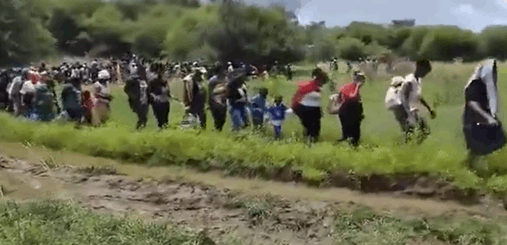
When the South African National Defence Force intercepted 1,174 undocumented Zimbabweans attempting to cross into South Africa on December 26, the images were stark: a long line of people with some women carrying babies on their backs as well as small children.
For many observers, the footage raised two immediate questions: what happens next to those arrested, and why, despite tighter security, do Zimbabweans keep attempting the crossing?
Once intercepted by SANDF patrols, undocumented migrants are typically handed over to immigration officials under South Africa’s Border Management Authority (BMA). From there, individuals are screened, documented, and held briefly at processing or holding facilities before deportation arrangements are made.
In most cases, deportations occur within days, particularly for migrants apprehended close to the border. Repeat offenders may face short-term detention, though South Africa’s already stretched detention facilities mean prolonged incarceration is rare. For many, the cycle is brutally familiar: interception, deportation, return, and, for some, another attempt weeks or months later.
Human rights organizations have long noted that while enforcement operations appear decisive, they rarely disrupt migration flows in the long term. Instead, they temporarily displace them, pushing migrants to seek alternative routes.
The persistence of irregular migration from Zimbabwe into South Africa is rooted in economic reality.
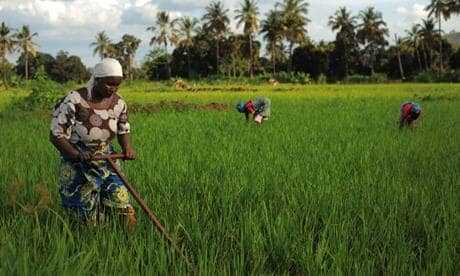
For decades, Zimbabweans have formed a crucial part of South Africa’s agricultural labor force, particularly in Limpopo and Mpumalanga provinces. Commercial farms rely heavily on seasonal and low-wage labor for planting, harvesting, and packing, work that is physically demanding, time-sensitive, and often unattractive to local workers.
Related Stories
Yet legal pathways for low-skilled or seasonal migrant labor remain limited. Work permits are scarce, slow to process, and often inaccessible to informal farm workers. The result is a persistent mismatch: labor demand on one side of the border, economic desperation on the other, and few legal bridges between the two.
Even as South Africa intensifies border enforcement, erecting barriers and dismantling makeshift footbridges across sections of the Limpopo, the underlying incentive structure remains unchanged. Informal farm wages, while modest by South African standards, can still sustain families back home through remittances, school fees, and basic household needs.
Security officials argue that militarized patrols and physical barriers are necessary to combat undocumented migration, smuggling, and cross-border crime. However, critics warn that hardened borders rarely stop movement altogether. Instead, they raise the cost and risk of migration.
As traditional crossing points are sealed off, migrants are pushed toward more remote and dangerous routes, increasing their reliance on smugglers and exposing them to robbery, murder, sexual abuse, or drowning. In this sense, enforcement reshapes migration patterns rather than eliminating them.
The December arrests underscore a broader regional challenge: migration driven by economic imbalance cannot be solved by enforcement alone. Without coordinated labor agreements, expanded seasonal work permits, or meaningful economic recovery at home, migration pressure is likely to persist, regardless of walls, soldiers, or patrol vehicles.
For the 1,174 Zimbabweans intercepted last week, the immediate outcome is almost certain: processing and deportation. But for thousands of others watching from villages, towns, and border communities, the calculation remains unchanged.
The border may be harder to cross. The risks may be higher. But until the economics shift, the crossings will continue.






Leave Comments