







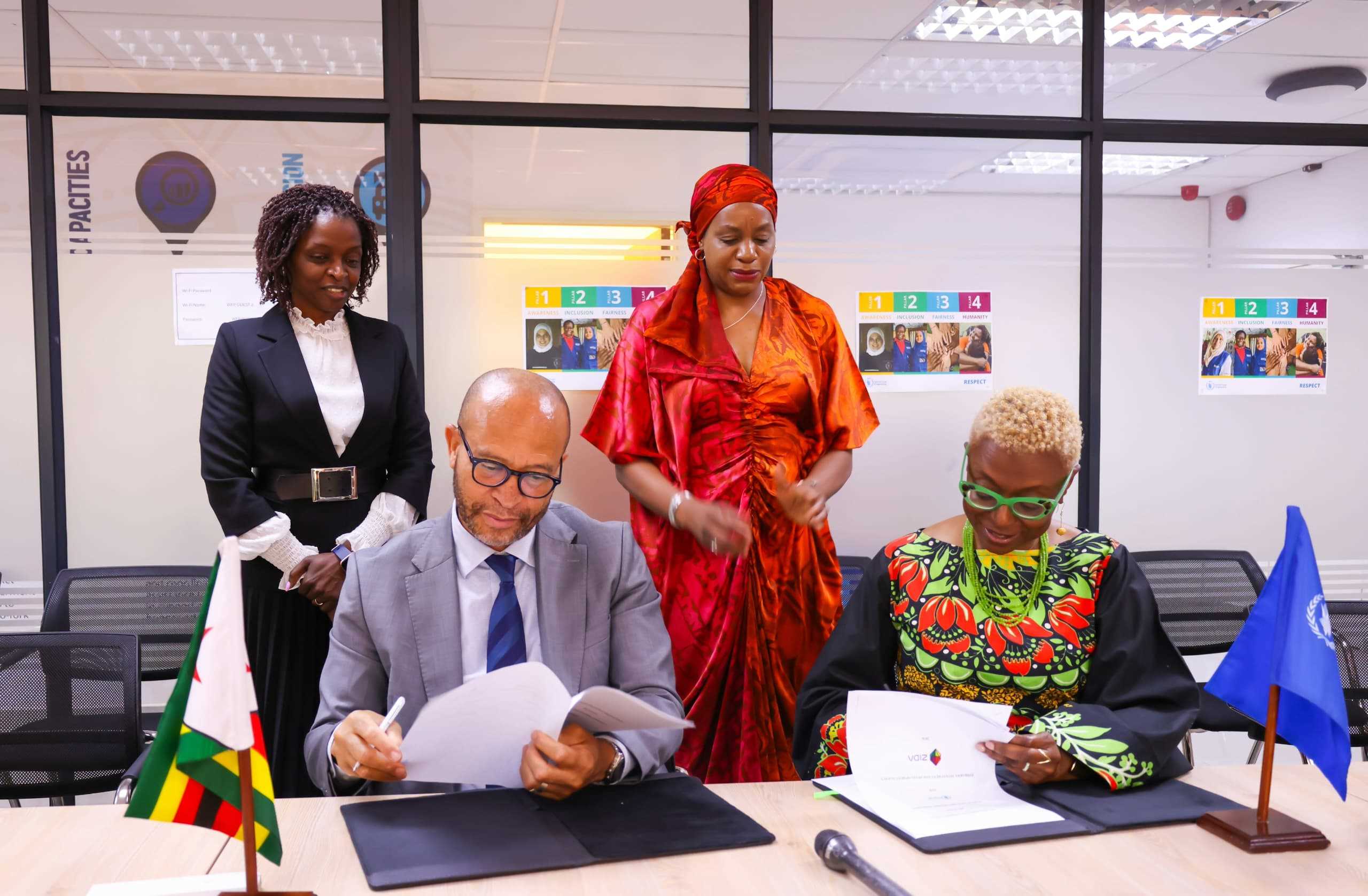
The World Food Programme Zimbabwe and the Zimbabwe Investment and Development Agency have signed a Memorandum of Understanding aimed at strengthening public-private collaboration in addressing food insecurity.
In a joint announcement, WFP said the agreement “opens new doors for smarter, stronger partnerships” at a time when resource constraints and climate shocks continue to strain food systems.
“In a time when every solution counts, achieving #ZeroHunger means thinking bigger and working together. Public private partnerships are not just an option, they are the opportunity,” WFP Zimbabwe said.
The MOU signals a shift toward leveraging private sector capital, innovation and supply chain efficiencies to complement humanitarian and development interventions.
Related Stories
Such partnerships typically focus on mobilising investment into agriculture value chains, food distribution systems and resilience-building initiatives, areas increasingly viewed as critical to long-term food security.
For ZIDA, the agreement positions food security not only as a social priority but also as an investment frontier, potentially linking agribusiness, logistics and climate-smart agriculture projects with institutional backing.
Zimbabwe continues to face periodic food insecurity driven by drought cycles, currency volatility and high input costs, placing greater emphasis on integrated responses that combine humanitarian relief with market-based solutions.
The partnership comes as development agencies increasingly promote blended finance and private sector participation as central pillars in achieving Sustainable Development Goal 2 — Zero Hunger.





Leave Comments