




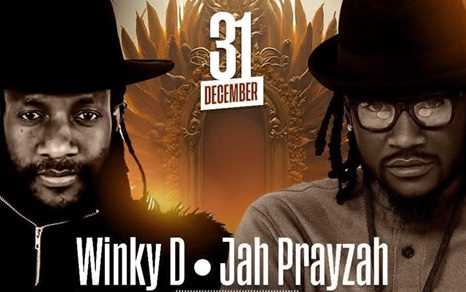
As 2025 morphs into 2026, Zimbabwe’s urban political imagination is undergoing a shift as Winky D and Jah Prayzah share the same stage.
For many city-based political supporters of either musician, this is the collapse of a symbolic boundary that organized urban politics for years.
Winky D has come to represent something larger than music. His shows were one of the last crossover spaces where urban frustration could gather, with a sense of shared identity against persecution, suppression, and exclusion.
Jah Prayzah, by contrast, is widely read as the cultural face of the establishment, an artist whose success story is intertwined with power, access, and state proximity. Seeing the two occupy the same platform forces an uncomfortable reckoning.
Attend the show and accept symbolic coexistence, or stay away and concede a cultural territory long assumed to belong to the opposition’s emotional universe. Either way, something ends tonight.
That moment makes more sense when read against what has been unfolding more across the year. High-profile car handovers to musicians, clergy, athletes, and influencers have become routine.
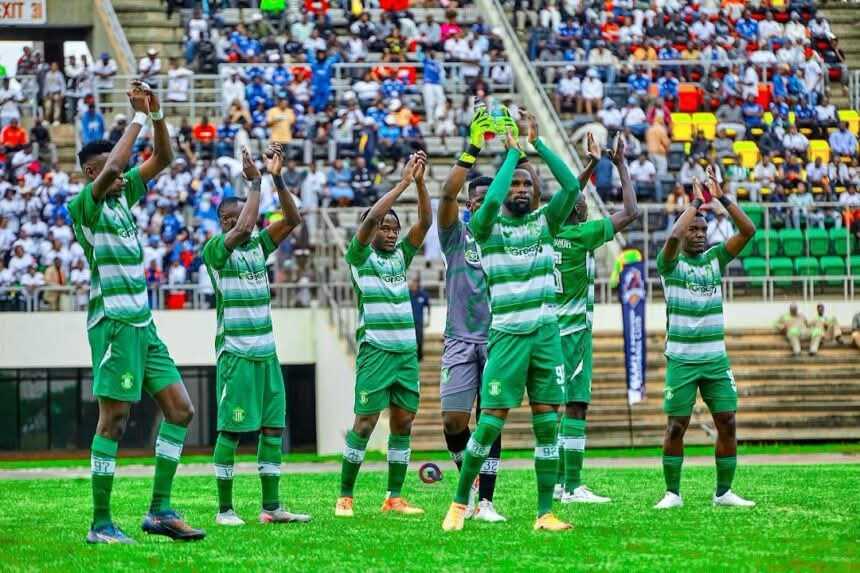
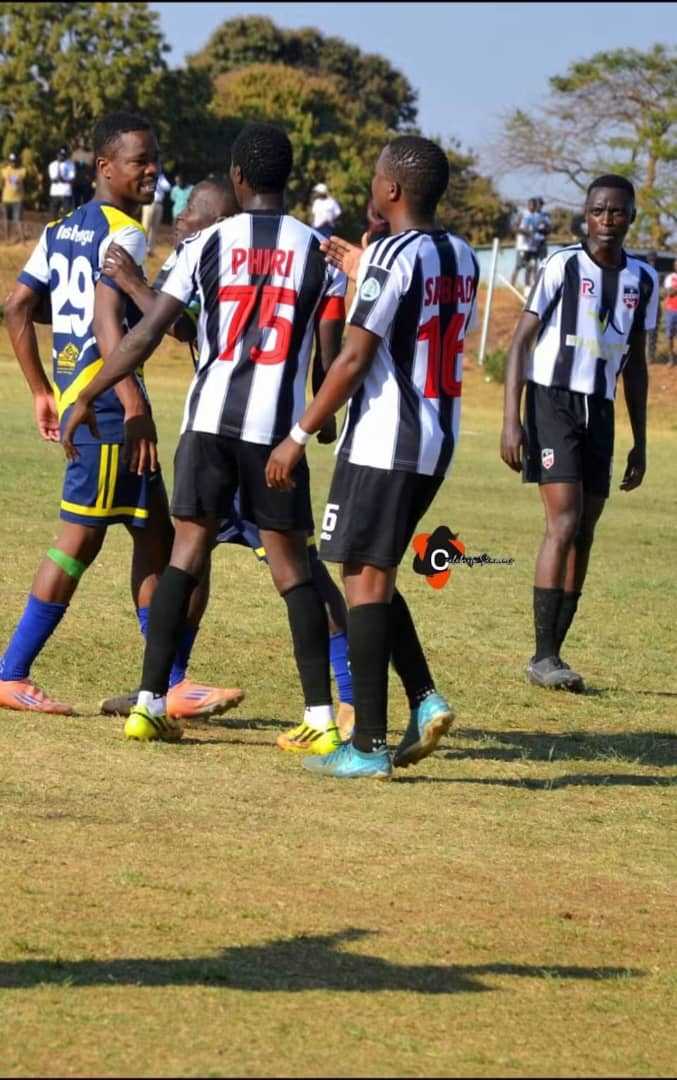
Football has been lavishly resourced again, with projects such as Scotland FC prominent and well-funded, and sponsorships linked to politically adjacent capital, including Sakunda Holdings, reasserting themselves in the national sporting imagination.
The political benefit accrues, flowing back to ZANU-PF through association rather than outright declaration.
What makes this phase distinct from earlier patronage politics is its effect on voice. A large share of Zimbabwe’s cultural and influencer class is now compromised, not always by what they have received, but by what they hope to receive. Cars, cash, proximity, and access have produced something more valuable than praise. They have produced caution.
Related Stories
The result is a vacuum. There is no longer a credible cultural figure willing or able to lead a sustained anti-ZANU narrative in the cities. The microphones are still there, but they are pointed away from politics.
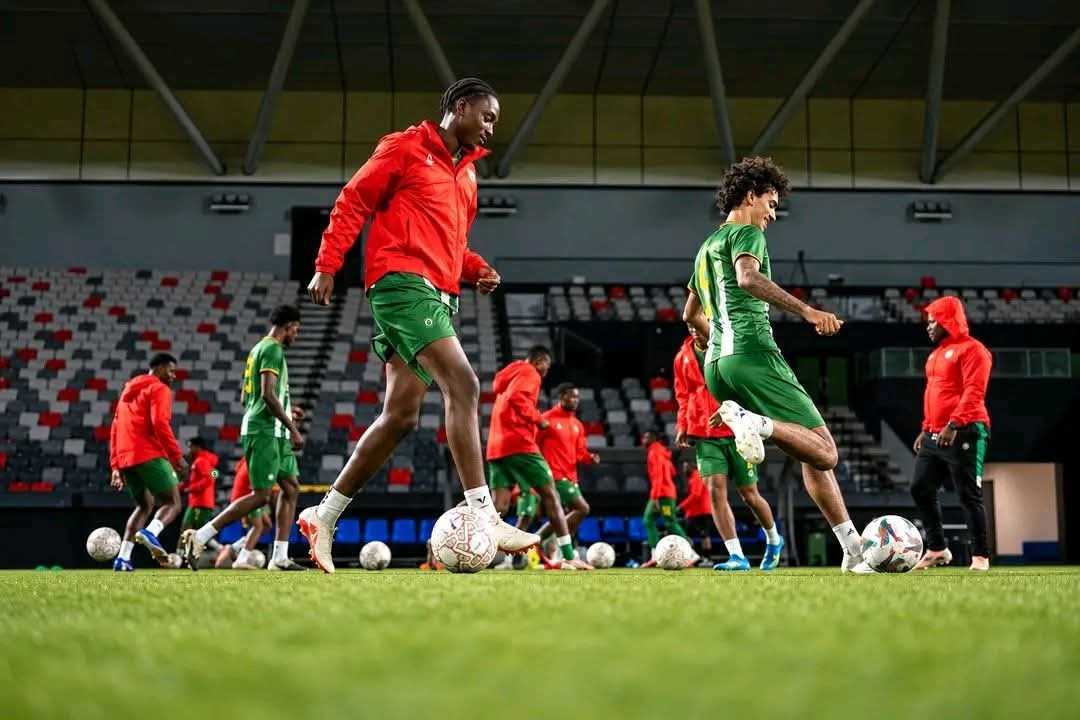
Football has become the safest delivery system for this shift. In urban Zimbabwe, it gathers the young, the apolitical, the angry, and the indifferent into the same physical space without asking them to agree on anything.
While this soft power has been loudly at work, the opposition has largely been speaking to itself in a different register. Its dominant conversations have been legal, procedural, and forward-dated, focused on courts, constitutions, and the long shadow of 2030. These debates matter, but they do not organize daily life. They do not shape weekend rituals or cultural loyalties. They do not compete with music, football, or visible generosity.
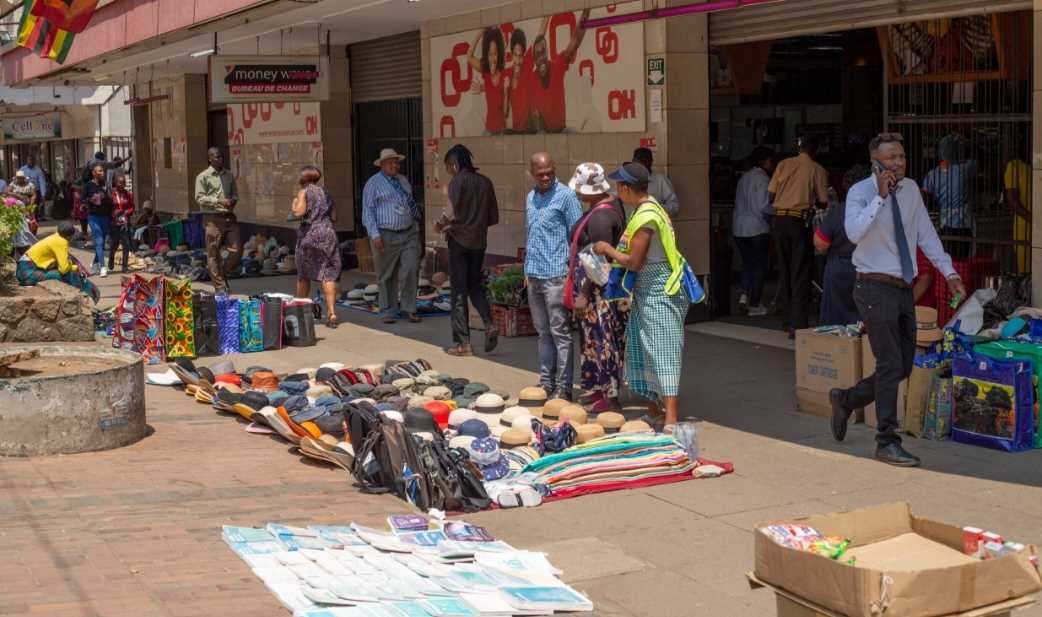
The danger for the opposition is not that it suddenly loses the cities. It is that the cities drift. Anger cools into fatigue. Symbolic spaces fragment. Mobilization becomes harder because they have stopped caring enough to show up. Apathy is cheaper than persuasion and often more decisive.
This is why the New Year’s Eve stage matters. It's not about unity slogans or reconciliation narratives. It is about inevitability. The message, intentional or not, is that the cultural war is over. Once culture shifts, politics usually follows, slowly and unevenly, but rarely in reverse.
All of this points to a recalibration. It looks like an effort to soften hostility, fragment symbolic resistance, and drain emotional energy ahead of 2028 or whenever the next election will be. If urban voters move from defiant to indifferent, that alone is a strategic win.
For now, the strategy appears coherent and dangerously underestimated.
As the year closes, the contrast is stark. While the opposition debates tomorrow’s rules, ZANU-PF appears to be campaigning in today’s streets, on football pitches, and on concert stages and in the digital space of content creators and influencers.
On one New Year’s Eve platform, Zimbabwe’s urban political psychology might be shifting as an opposition icon literally joins hands with the face of the establishment.







Leave Comments