









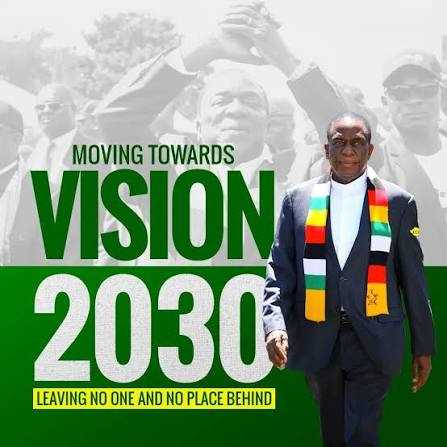
Government’s formal adoption of the Constitutional Amendment No. 3 Bill, 2026 has triggered swift backlash from legal experts, opposition parties and civil society groups who warn the proposals amount to a direct assault on popular sovereignty in country.
These sweeping changes, approved by Cabinet on Tuesday, seek to amend Sections 95, 143 and 158 of the Constitution to extend presidential and parliamentary terms from five to seven years.
The Bill also scraps direct presidential elections and gives Parliament the power to elect the president by majority vote following general elections or whenever a vacancy arises.
Government has defended the proposed Bill, arguing it will “reduce election-related disruptions” and promote “policy continuity.”
Critics, however, say the proposals undermine hard-won democratic rights and freedoms.
Constitutional lawyer Thabani Mpofu said Parliament cannot lawfully convert a five-year mandate into seven without voter consent, describing the proposal as “constitutional fraud” and an abuse of amendment power.
“It is fraudulent for ZANU–PF to convert a five-year mandate into seven years.
“On what principle do 200 ‘elected’ legislators have the right to overturn the expressed will of five million voters?
“The power to amend the Constitution cannot reasonably be read to authorize such a subversion… Parliament is not Parliament Almighty,” said Mpofu.
Constitutional law expert Lovemore Madhuku said Cabinet’s endorsement of the contentious amendments without a referendum is unconstitutional, undermines founding constitutional values, and risks serious political instability.
“As far as we know, they do not even have a referendum on the agenda.
“It’s an unthinkable way of trying to do politics, and it is going to cause political instability,” Madhuku said.
“There must be a referendum. You cannot extend a term of office without going to a referendum.
“You cannot dismantle founding values using ordinary amendment procedures,” added Madhuku.
Opposition parties say the Cabinet move confirms long-held fears of a power-retention agenda.
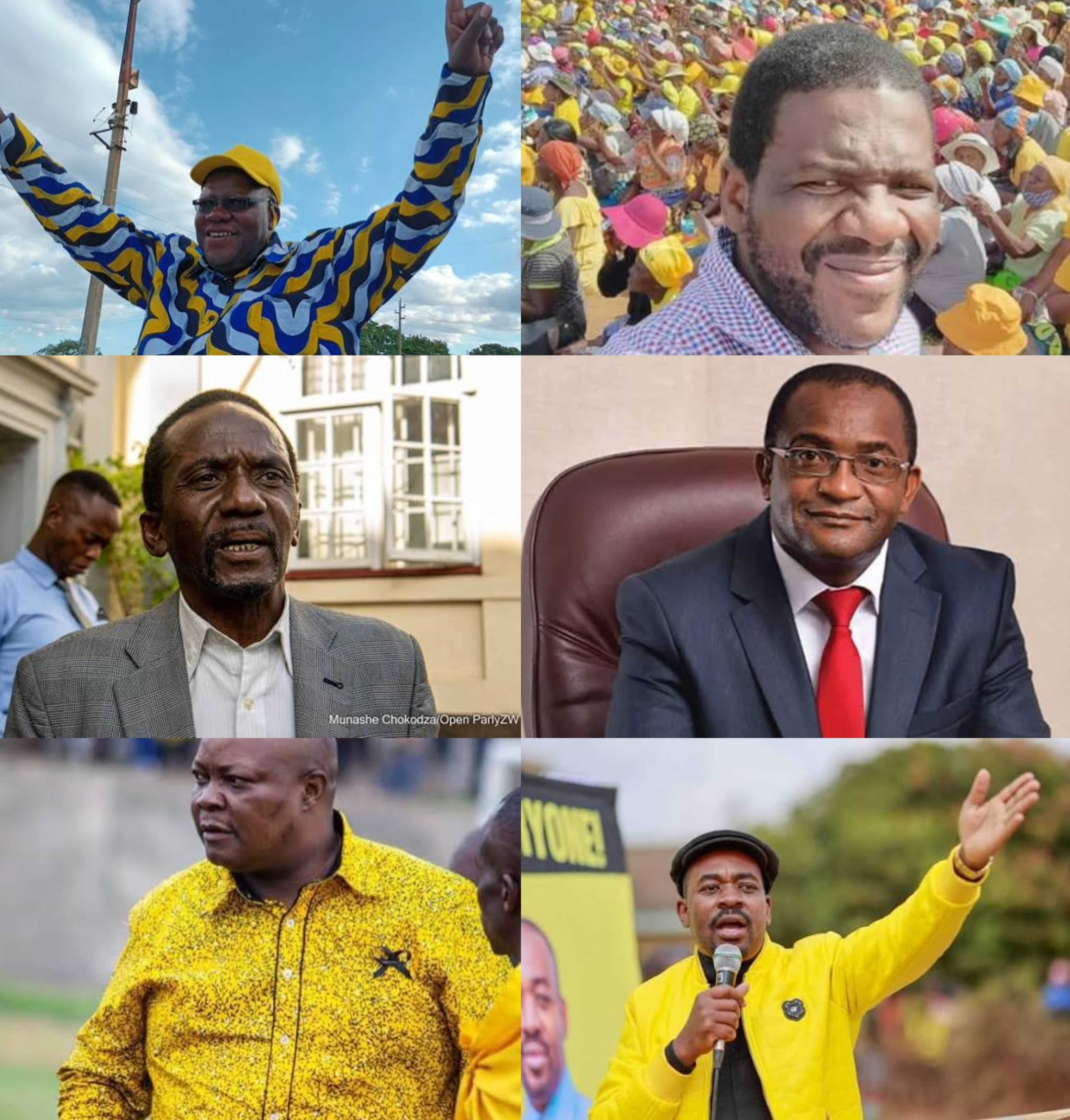
Jameson Timba, a senior figure in the Citizens Coalition for Change, said the Bill represents a betrayal of the people-driven 2013 constitutional settlement.
“This is about transferring authority from citizens to a captured Parliament,” Timba said, adding that Zimbabweans did not vote to surrender their right to elect a President.
MDC-T leader Douglas Mwonzora said Cabinet’s endorsement does not cure the Bill’s defects, maintaining that any extension of presidential terms — especially one benefiting incumbents — must be approved by voters in a referendum, not MPs.
Related Stories
“Cabinet has approved a Bill designed to circumvent the Constitution and extend the President’s term of office beyond 2028.
“In doing so, it seeks to disenfranchise millions of Zimbabweans of their direct right to vote for their Head of State.
“That right, sacred, hard-won, and non-negotiable, is being quietly stripped away,” said Mwonzora.
Mwonzora went on to say the presidential powers in the Constitution “were never meant to be exercised by someone without a fresh, direct mandate from the people.”
“We now face an existential crisis in which immense executive authority is intended to be retained by one individual without the people’s renewed consent.
“Even more alarming, the proposed amendment would grant the President additional powers to appoint ten more unelected members into an already elected Parliament.
This is not democratic reform. It is democratic regression,” added Mwonzora.
Legal experts, opposition parties and civil society groups say the 2013 Constitution was crafted with citizens as the ultimate custodians of constitutional change, requiring a referendum for fundamental amendments.
Political activist Tinashe Kazuru described the proposals as “dangerous retrogression.”
“In 2013, we agreed that citizens have the right to directly elect a President of their choice.
“Introducing a parliamentary President would strip away that right.
“We do not remember any fora where we sat and agreed to give away our right to elect a President to Parliament,” Kazuru said.
Political analyst Kudakwashe Munemo said the reforms transform the presidency into “a by-product of party control in Parliament.”
“This shifts election of the presidency from popular choice to elite parliamentary arithmetic, weakening direct voter authority,” Munemo said.
He warned that, coupled with other proposed amendments transferring voter registration and delimitation from ZEC to the Registrar-General, the reforms “recentralise control closer to the executive and risk further lowering confidence in boundaries and the roll.”
Pro-democracy activist Tapiwanashe Chiriga said scrapping direct elections undermines universal suffrage.
“The attempt to scrap the direct election of the Head of State is consistent with Zanu PF's wish to take away universal suffrage and decide on behalf of millions of Zimbabweans.
“The people of Zimbabwe stated how they wanted to elect their Head of State during the constitution-making process, and it must be respected,” said Chiriga.
The proposed amendments have appeared to unite Zimbabwe’s fragmented opposition, with parties and activists speaking with a rare collective voice against the Bill.








Leave Comments