







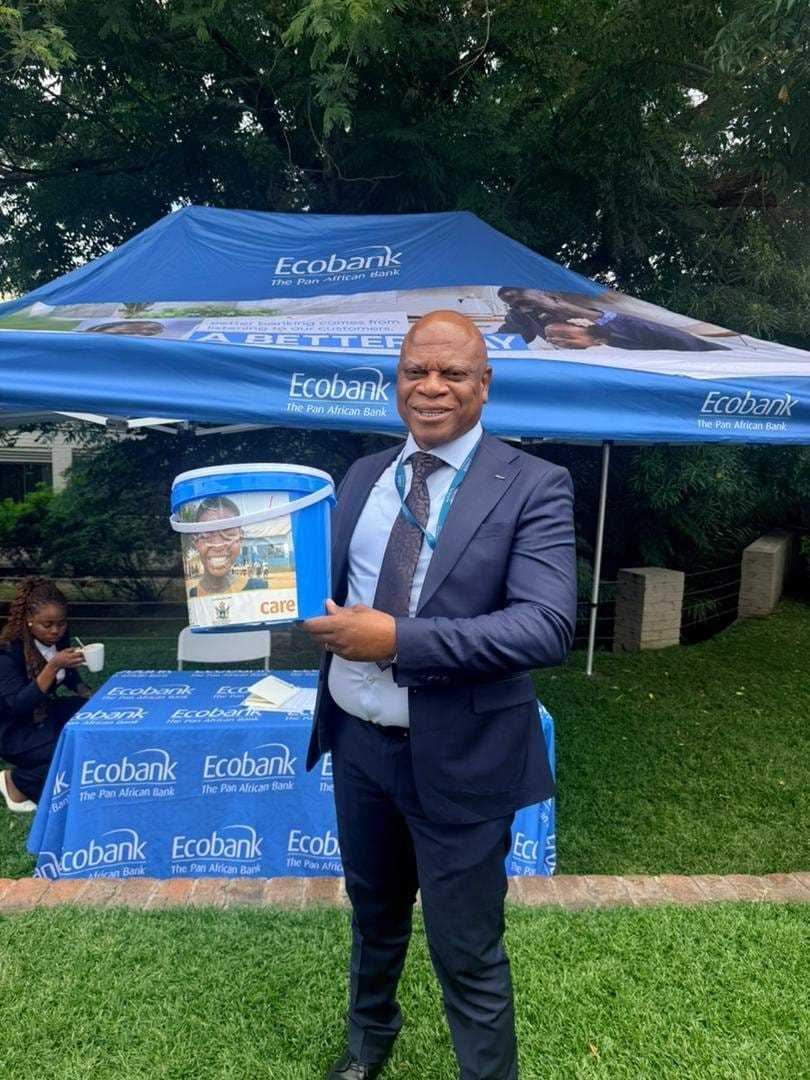
Ecobank Zimbabwe has rolled out the second phase of its Women’s Period Power Initiative, expanding a programme aimed at addressing period poverty that continues to disrupt school attendance among girls, particularly in rural communities.
The handover for Phase 2 follows a 2025 pilot in Tsholotsho and is being implemented in partnership with CARE Zimbabwe and the Ministry of Primary and Secondary Education. Ecobank said the 2026 scale-up is intended to reach more schools and reduce menstruation-related absenteeism.
“Building on the 2025 launch in Tsholotsho, Ecobank Zimbabwe Limited is proud to announce the handover for Phase 2 of the Women’s Period Power Initiative,” the bank said in a statement.
Related Stories
Under the programme, each beneficiary receives a menstrual hygiene kit designed to last up to three years, including reusable sanitary pads, hygiene essentials such as soap and toothpaste, and a storage bucket. Ecobank said the kits are intended to provide a sustainable alternative to disposable products, which remain unaffordable for many households.
“In partnership with CARE Zimbabwe and the Ministry of Primary and Secondary Education, we are scaling our reach in 2026 to ensure no girl misses school due to period poverty,” the bank said.
Period poverty remains a persistent challenge in Zimbabwe’s education system. Civil society organisations estimate that thousands of girls miss several school days each month due to lack of access to sanitary products, adequate water, and sanitation facilities, compounding dropout risks in marginalised communities.
Ecobank framed the initiative as an effort to remove structural barriers to education. “We are replacing barriers with confidence. Together, we are building a Period Friendly World for our girls,” the statement said.
The expansion comes amid growing calls for stronger state-led interventions on menstrual health, including the integration of menstrual products into social protection programmes and school health budgets, to ensure long-term sustainability beyond donor- and corporate-driven initiatives.







Leave Comments