




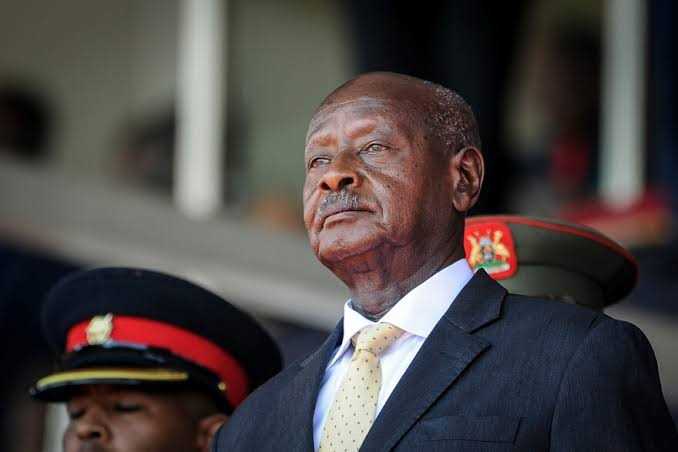
Ugandan President Yoweri Museveni is seeking a seventh term in office, extending a rule that began in 1986 and has shaped nearly every aspect of the East African nation’s modern political life.
At 81, the former guerrilla leader remains firmly in control of Uganda’s political machinery, even as questions intensify about governance, corruption and who might eventually succeed him. If re-elected on Thursday, Museveni would further entrench his status as one of Africa’s longest-serving leaders.
Museveni rose to power after leading a rebel movement that ousted successive autocratic governments, arriving amid widespread optimism. His early years won praise from Western allies for restoring stability, attracting foreign investment and tackling the HIV/AIDS epidemic.
“Corruption has been central to his rule from the beginning,” said Kristof Titeca, a professor at the University of Antwerp. Museveni has acknowledged corruption within government but insists officials found guilty have been prosecuted.
Domestically, Museveni consolidated power by removing constitutional barriers. In 2005, parliament scrapped presidential term limits, a move widely seen as clearing the way for lifelong rule. He has since won every election he has contested, though opposition parties routinely reject the results, citing intimidation, arrests and irregularities—claims denied by authorities.
Related Stories
His long-time rival Kizza Besigye, once his personal doctor during the bush war years, faced Museveni in four elections and accused him of presiding over corruption and rights abuses. Besigye was arrested in 2024 and now faces treason charges.
Museveni’s current challenger is Bobi Wine, a 43-year-old musician-turned-politician who commands strong support among urban youth. While analysts say Museveni is still heavily favoured to win, attention has shifted toward what comes next.
“The looming issue is succession,” Titeca said, pointing to the growing prominence of Muhoozi Kainerugaba, Museveni’s son and Uganda’s military chief. The opposition accuses Museveni of positioning his son for power, claims the president denies.
Concerns have also grown over Museveni’s health and age, with public appearances increasingly limited. Still, observers say he shows little appetite for retirement.
“This election is less about the announced results and more about the political mood,” said political analyst Charles Onyango-Obbo, adding that any transition may still be years away.
“Museveni is more frail now, but he remains a workaholic,” Onyango-Obbo said. “He will not leave easily.”






Leave Comments