





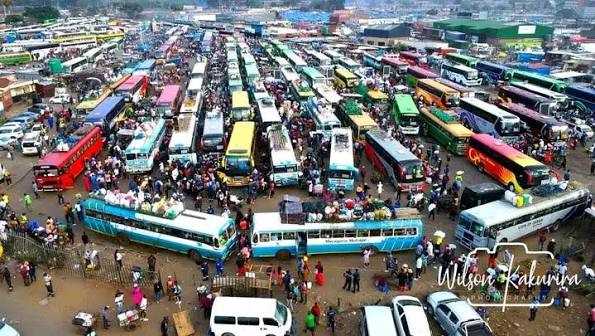
A day after the proposed upgrade of Mbare Musika Bus Terminus was announced, residents and commuters are focusing less on architectural drawings and more on the lived cost of using the facility a cost they say has quietly risen with every development done in their name.
Mbare Musika handles thousands of passengers daily, linking Harare to nearly every province.
Yet basic services remain expensive and unreliable. Commuters say using a public toilet now costs US$1 per visit, a charge many describe as punitive in a space used repeatedly by long-distance travellers, vendors and drivers.
For informal traders and rural passengers who may earn only a few dollars a day, the fee has turned a basic necessity into a daily burden.
Residents argue this pattern is familiar. Previous upgrades, they say, have translated into higher user charges rather than better services.
From parking fees to toilet access, each intervention has introduced new costs without resolving congestion, sanitation breakdowns or safety concerns.
Related Stories
“Every development becomes an expense,” is a common refrain around the terminus, reflecting frustration that improvements rarely reduce hardship.
The numbers behind the frustration are stark. Mbare Musika serves thousands of buses and kombis each week, with peak days seeing dense human traffic from early morning to late night. Yet there is no public breakdown of how much revenue is collected daily from toilets, parking or vendor charges, nor how that income is reinvested into maintenance and security. This lack of transparency has deepened mistrust.
Residents are also questioning affordability as a planning principle. While council-approved upgrades focus on paving, sheds and walls, commuters ask why service costs keep rising in a facility meant to support low-income travellers. Vendors note that formalisation often comes with fees that eat into already thin margins, pushing some back into informal and unsafe trading spots.
For many users, the debate is no longer about whether Mbare Musika needs upgrading that is widely accepted but about who ultimately pays and who benefits.
Without clear limits on user charges and a plan to make services cheaper, cleaner and safer, residents fear the new works will simply add another layer of cost to an already expensive daily routine.
As anticipation around the project grows, so do expectations that authorities will address not just infrastructure, but affordability.
For the people who rely on Mbare Musika every day, a modern terminus is not defined by fresh paint or new paving, but by whether a visit costs less not more than it did before.






Leave Comments