








Transparency International Zimbabwe has warned that the growing privatisation and commercialisation of primary and secondary education is increasingly excluding young people from access to quality learning, despite rising recognition of youth as key partners in shaping education systems.
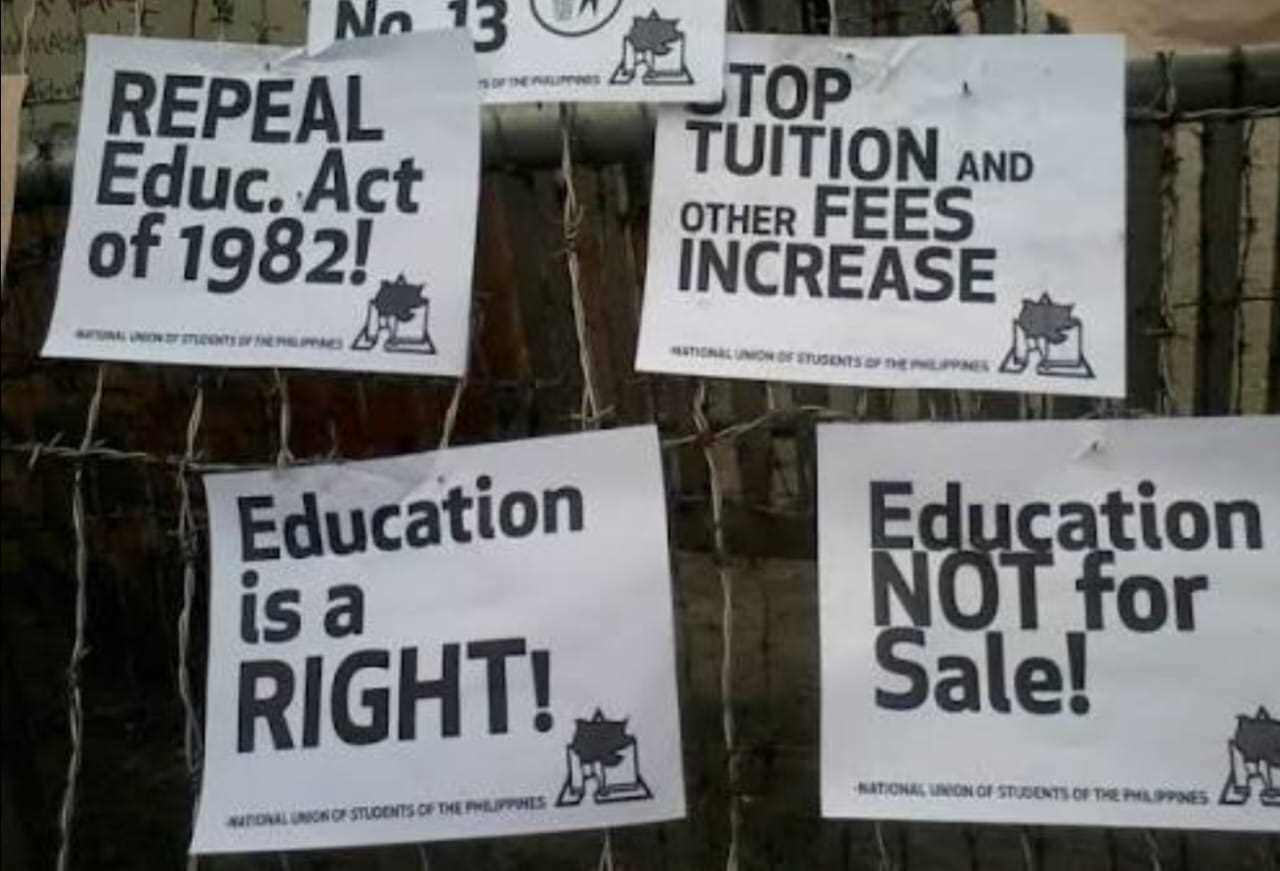
In a statement marking the 2026 International Day of Education, TI-Z said education must be treated as a public good rather than a market commodity, cautioning that unchecked school fee increases are undermining equity and social justice in Zimbabwe’s education sector.
“Education is a public good and a cornerstone for social justice, democratic participation and sustainable development,” the organisation said, adding that an inclusive system should empower young people “not only as beneficiaries, but as active partners in shaping education systems that are fair, transparent and accountable.”
Related Stories
While endorsing the global theme, The Power of Youth in Co-Creating Education, TI-Z said structural barriers continue to limit meaningful youth participation, particularly among learners from low-income and marginalised communities.
The organisation expressed concern that “increasingly high and unregulated school fees have placed quality education beyond the reach of many families,” raising questions about affordability and state oversight.
TI-Z said its engagement with young people through initiatives such as the School of Integrity for Young People is aimed at nurturing values of accountability and civic responsibility from an early age. Through civic education, ethics training and youth leadership development, the organisation said it is working to build “a generation of integrity” capable of challenging corruption and exclusion within education systems.
The organisation argued that empowering young people with the skills to question unfair practices is central to creating inclusive and responsive education systems. “By equipping young people with the knowledge and skills to challenge corruption and exclusion, TI-Z contributes to education systems that are inclusive, participatory and responsive to the needs and aspirations of learners,” the statement said.
TI-Z said meaningful youth participation in education governance is critical to achieving Sustainable Development Goal 4 on inclusive and equitable quality education, warning that unchecked commercial pressures risk deepening inequality if left unaddressed.








Leave Comments