







Zimbabwe recorded 3 989 divorce applications in 2025, a 27 percent increase from the previous year, according to High Court figures. While the number of finalised divorces declined, the surge in filings signals growing strain on marriages and mounting pressure on both families and the justice system.
Beyond economics and legal processes, the rising divorce trend reflects a deeper social shift. Experts say it exposes changing values, generational tension and a redefinition of marriage itself, particularly among younger couples who increasingly view unions as flexible, personal arrangements rather than lifelong institutions.
For couples who married in the 1990s and early 2000s, marriage was largely shaped by tradition, extended family oversight and social expectation. Divorce carried heavy stigma, and endurance was considered a virtue. Many remained in unhappy unions for children, family honour or communal pressure, with elders playing a central role in mediation and conflict resolution.
By contrast, members of the ama2k generation — those born in the late 1990s and early 2000s — are entering marriage with different expectations. Lawyers and marriage counsellors say younger couples increasingly view marriage as a platform for personal fulfilment, visibility and upward mobility, influenced by social media culture, urbanisation and exposure to global norms.
“People are now marrying for convenience, visas, status or material gain,” one marriage counsellor said. “When unions are built around glamour, clout or short-term benefit, they often collapse once economic or emotional realities set in.”
National demographic data shows a steady rise in divorce and separation over the past decade, particularly among younger women. Analysts attribute this to greater legal awareness and increasing financial independence. Where previous generations endured unhappy marriages, younger spouses are more willing to exit relationships that fail to meet emotional or economic expectations.
Lawyers say this shift has coincided with the weakening of traditional family mediation systems. Extended families that once groomed couples and absorbed marital tensions are now less involved, while disputes escalate more quickly into legal action.
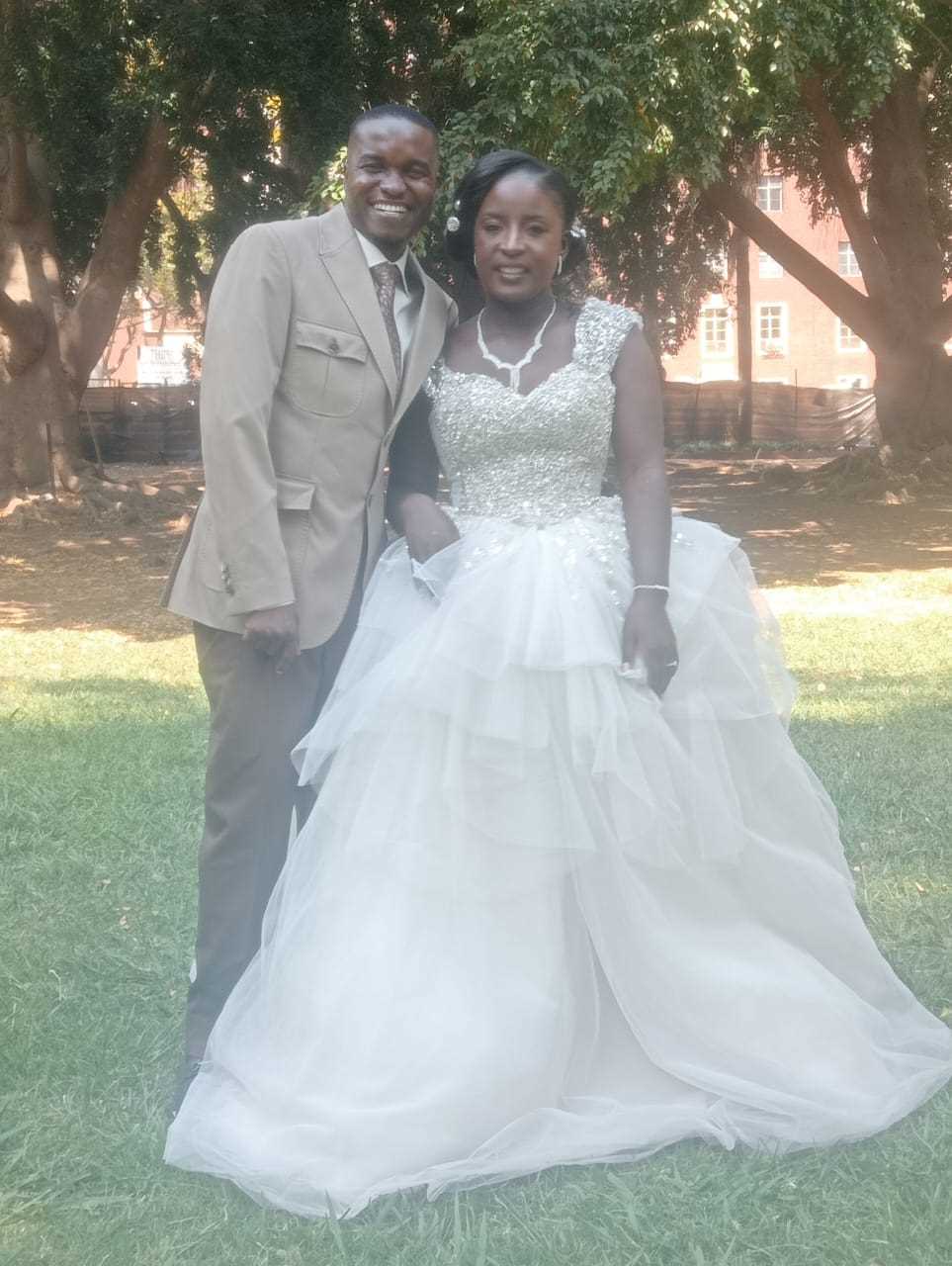
Social media has also altered relationship dynamics. Public performance of marriage — weddings staged for visibility and relationships curated online — has blurred the line between commitment and image. Counsellors say when online validation fades, patience often follows.
For many in the ama2k generation, marriage is no longer sacred by default. It must make sense emotionally, economically and socially. Apolonia, 24, says modern marriage is shaped by speed, exposure and independence.
“We grew up seeing options,” she said. “Women can work, earn and leave. Marriage is a choice, not a prison. If it’s not working, why suffer?”
She said many young couples invest heavily in roora ceremonies, lavish weddings and social media moments, without building emotional foundations.
Related Stories
“People want the aesthetics — the dresses, the videos, the lifestyle — but not the work. Some marriages are just content for Instagram, not substance for life,” she said.
Older generations, however, argue that what young people describe as freedom was once understood as discipline, patience and commitment. Eighty-year-old Gogo Chaibva, who was married for 40 years before her husband’s death, says marriage was never meant to be easy.
“Marriage is not happiness every day,” she said. “It is learning another person, forgiving and enduring. We did not run away when things were hard. Families sat down. Elders corrected us.”
She warned that modern marriages often collapse due to lack of mentorship and humility.
“Young people want enjoyment without sacrifice,” she said. “Marriage needs patience. It grows slowly, like a tree.”
A similar view is shared by Sekuru Maweni, 78, who has been married to his first and only wife, Silvia, for nearly five decades.
“We dated for five years before marriage,” he said. “We did not rush into intimacy.”
He believes early exposure to intimacy has weakened respect for marriage.
“These young ones experience too much too early,” he said. “Marriage becomes casual instead of sacred.”
Sekuru Maweni also blamed globalisation for eroding cultural values.
“This global norm has diluted our culture and values,” he said. “Young people now see marriage as a short trip from Mbare to town, not a long journey with hills and valleys.”
The figures suggest more than marital breakdown. They point to a collision between tradition and modernity, endurance and autonomy, sanctity and spectacle — raising hard questions about what marriage means in contemporary Zimbabwe.









Leave Comments