







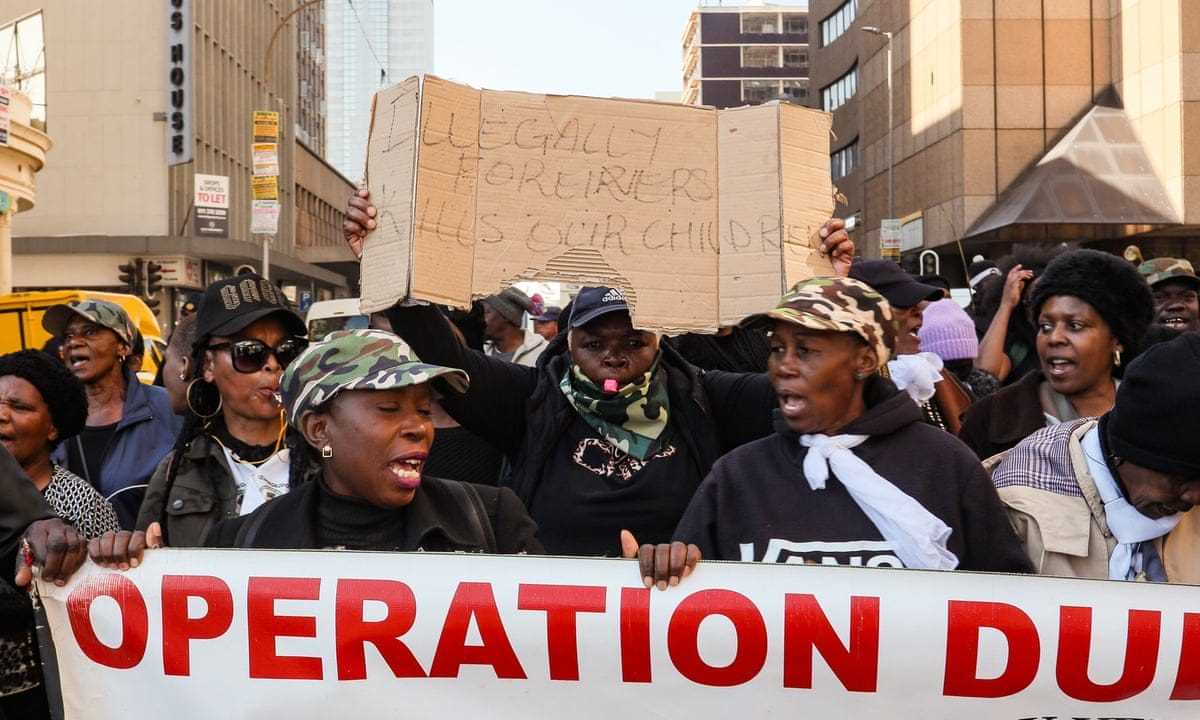
Zimbabwe has intensified diplomatic engagement with South Africa following reports that its nationals are being denied access to public health facilities amid ongoing protests linked to Operation Dudula, while pledging to safeguard its citizens abroad.
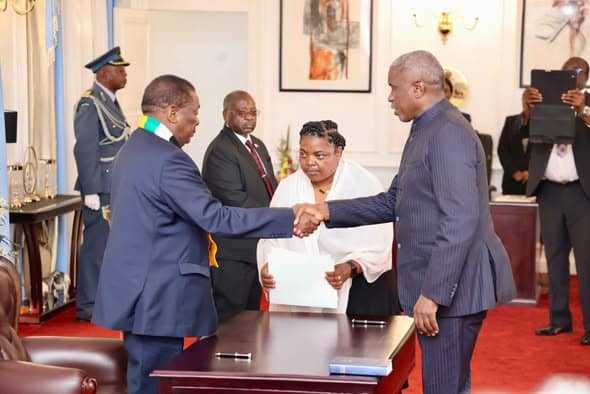
Responding to a question in Parliament, the Minister of Foreign Affairs and International Trade, Amon Murwira, said the government has a constitutional obligation to protect Zimbabweans wherever they are.
Citing Section 35 (3)(a) of the Constitution, Murwira said Zimbabwe’s embassy and consulates in South Africa are actively engaging South African authorities at both national and provincial levels to address cases involving Zimbabwean nationals.
“In that regard, our embassy and consulates in South Africa are actively engaging relevant South African authorities at both national and provincial levels to look into cases that may involve Zimbabweans,” Murwira said.
“Our consular services are there to help our citizens, whether they are in health care, in prison or wherever they need assistance. Our job is to help our citizens. So, correct and true, as the Hon. Member is saying, we must look after our citizens.”
Murwira cited a bus accident in South Africa last year in which Zimbabwe’s consulate intervened and paid medical bills for affected citizens, saying similar assistance would be extended where necessary.
Related Stories
The diplomatic engagement comes amid rising tensions in parts of South Africa, where groups including Operation Dudula have been protesting against the use of public services by foreign nationals. Protesters have accused migrants, particularly Zimbabweans, of placing additional strain on already limited health resources.
In August last year, the Zimbabwe Human Rights Commission (ZHRC) said it would engage South Africa’s Public Protector over reports that Zimbabweans were being barred from public hospitals and clinics.
ZHRC chairperson Jessie Majome confirmed that she had held discussions with South Africa’s Public Protector, Kholeka Gcaleka, with the two agreeing to address the matter directly.
“We agreed that we need to sit down and talk, so that we can seek resolutions to that problem,” Majome said, noting that cross-border movement between the two countries involves both regular and irregular migrants.
She also acknowledged the need to improve Zimbabwe’s own health sector to reduce the number of citizens seeking treatment across the border.
“There is a need for us, in terms of efficiency, to increase and improve the healthcare service delivery system, so that fewer Zimbabweans would want to cross the border to access public health services in South Africa,” she said.
Zimbabwe’s health sector continues to face challenges, including shortages of medicines and concerns over health workers’ remuneration, factors that have contributed to patients seeking care outside the country.





Leave Comments