








The proposed dissolution of the Zimbabwe Gender Commission (ZGC) has brought renewed focus on the constitutional and developmental role of specialised gender institutions in Zimbabwe, where women constitute approximately 52 percent of the population.
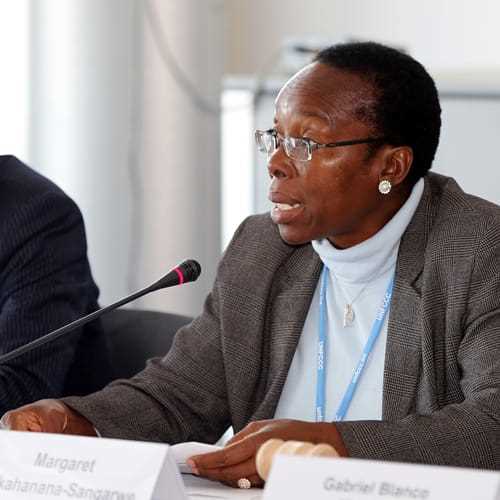
Zimbabwe Gender Commission Chairperson Margaret Sangarwe-Mukahanana said the ZGC is a constitutionally established independent commission created under Section 246 of the Constitution with a clear mandate to promote gender equality, investigate possible violations of rights relating to gender and recommend affirmative action programmes.
“The Zimbabwe Gender Commission is a constitutionally established independent commission mandated to promote gender equality, investigate possible violations of rights relating to gender and recommend affirmative action programmes,” she said.
She said women make up the majority of the country’s population, making targeted institutional mechanisms essential for addressing gender-specific concerns.
“Women constitute approximately 52 percent of Zimbabwe’s population, underscoring the importance of targeted institutional mechanisms that promote gender-specific needs,” said Sangarwe-Mukahanana.
Zimbabwe continues to record significant participation of women in the informal sector, which accounts for over 70 percent of all jobs and contributes more than 60 percent to GDP.
Sangarwe-Mukahanana said these figures reflect the central role women play in the economy and the importance of maintaining visible and accessible mechanisms for protection and redress.
Related Stories
“These statistics reflect the persistent prevalence of gender-based violence and inequality, and the need for visible, accessible reporting and redress mechanisms,” she said.
She said while institutional restructuring forms part of governance processes, decisions of such magnitude must be evidence-based, transparent and guided by constitutional principles.
“While institutional restructuring forms part of governance processes, such decisions must be evidence-based, transparent and guided by constitutional principles,” she said.
Sangarwe-Mukahanana said consolidating specialised mandates into broader institutions could have implications for focus and accessibility.
“Consolidating specialised mandates into broader institutions may inadvertently dilute attention to gender-specific concerns, limit accessibility for survivors of violations and reduce public confidence in reporting mechanisms,” she said.
She added that Zimbabwe has regional and international commitments that encourage the strengthening of national mechanisms for gender equality.
“These instruments encourage the establishment and strengthening of national mechanisms for gender equality. Weakening or dissolving a specialised commission risks undermining Zimbabwe’s commitments to these frameworks,” she said.
Sangarwe-Mukahanana said any reforms must ensure that protection of women’s and girls’ rights is not weakened and that clear, accessible and adequately resourced mechanisms remain in place.
“Any reforms must ensure that the protection of women’s and girls’ rights is not weakened, and that clear, accessible and adequately resourced mechanisms remain in place,” she said.







Leave Comments