









Complaints Surface in SA and Zim as Consumers Say Products Were Bought from Reputable Retailers
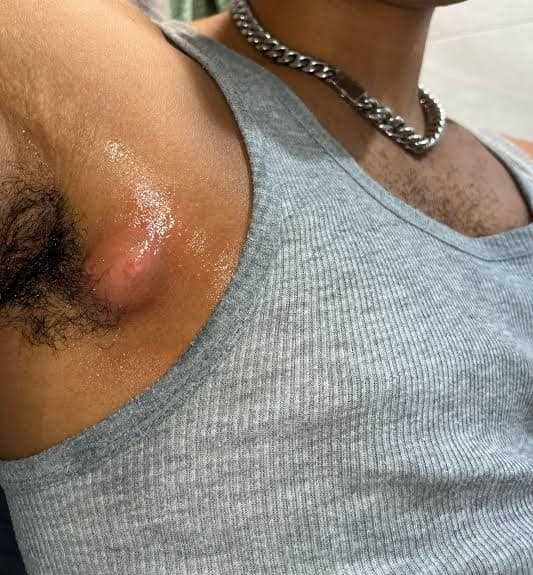
A growing number of Zimbabweans, especially women, are raising alarm on social media after suffering severe skin reactions allegedly linked to certain Nivea deodorant products purchased from mainstream retailers.
The complaints, circulating widely on X, Facebook and WhatsApp groups, include images of inflamed underarms, peeling skin and darkened patches, with users claiming the irritation is linked to Nivea roll-ons.
What is intensifying the concern is not just the reactions themselves, but where the products were bought.
“These were not street products,” one Harare woman wrote. “I bought mine from a proper supermarket.”
This was after the comment section had torn into her, accusing her of opting for cheap products from informal retailers who have become known for selling fake products.
Another user added: “People are saying fake products. But I didn’t buy this from runners or tuckshops. This was from a reputable store.”
Similar complaints have also surfaced in South Africa, with some consumers questioning whether counterfeit stock may have entered formal retail chains, with some affected users saying they bought their products from a well-known pharmacy chain.
At this stage, no laboratory confirmation has established a link between the reported reactions and any specific ingredient. Skin irritation can occur for various reasons, including allergic responses.
However, the clustering of complaints across two countries has pushed the matter beyond isolated cases.
Fake Products or Something Else?
Some consumers believe counterfeit products may be circulating in the market, pointing to subtle packaging differences and unusual scents.
But others argue that the scale of the reactions suggests something more systemic.
“If it was fake, how is it in major supermarkets?” one South African user asked in an online discussion thread.
Industry observers note that counterfeit cosmetics do exist in Southern Africa, often entering through informal cross-border channels. However, infiltration into formal retail chains would represent a far more serious supply-chain breach.
Related Stories
At present, there is no official confirmation that counterfeit Nivea products are circulating in Zimbabwe or South Africa.
Nigeria’s Previous Alert Raises Questions
While the Zimbabwean complaints are unfolding independently, when the issue is viewed against the backdrop of a 2024 public alert issued by Nigeria’s National Agency for Food and Drug Administration and Control, it raises a major red flag.
Nigeria zeroed in on a specific batch of Nivea Black & White Invisible Roll-On deodorant after receiving notification through the European Union’s product safety system that the batch allegedly contained a fragrance ingredient banned in the EU over health concerns.
The manufacturer stated at the time that the affected batch had expired and that the formulation had already been updated globally.
Although the Nigerian case involved a specific batch and timeframe, Nivea roll-ons resurfacing in online discussions has amplified anxiety among consumers.
“Someone must test these products,” one user wrote. “We need to be told if it’s not safe.”
For many, the question is simple: if one African regulator found an issue, could others be missing something?
Zim Now reached out to Zimbabwe’s Consumer Council for comment.
Consumer Council of Zimbabwe’s Ndumiso Mgutshini said the organisation would provide a formal response once consultations are complete.
Rosemary Mpofu of the Consumer Council indicated that she was currently on leave and unable to comment at this stage.
As of publication, no official recall or public warning has been issued in Zimbabwe regarding any Nivea deodorant products.
The Medicines Control Authority of Zimbabwe primarily regulates medicines, while cosmetics oversight falls under broader consumer protection and standards frameworks.
Unlike pharmaceuticals, cosmetics are not routinely subjected to batch-by-batch laboratory testing unless a complaint triggers an investigation.
This regulatory structure means authorities often act after public reports rather than before.
What exactly are we putting on our skin? Does anyone care?







Leave Comments