








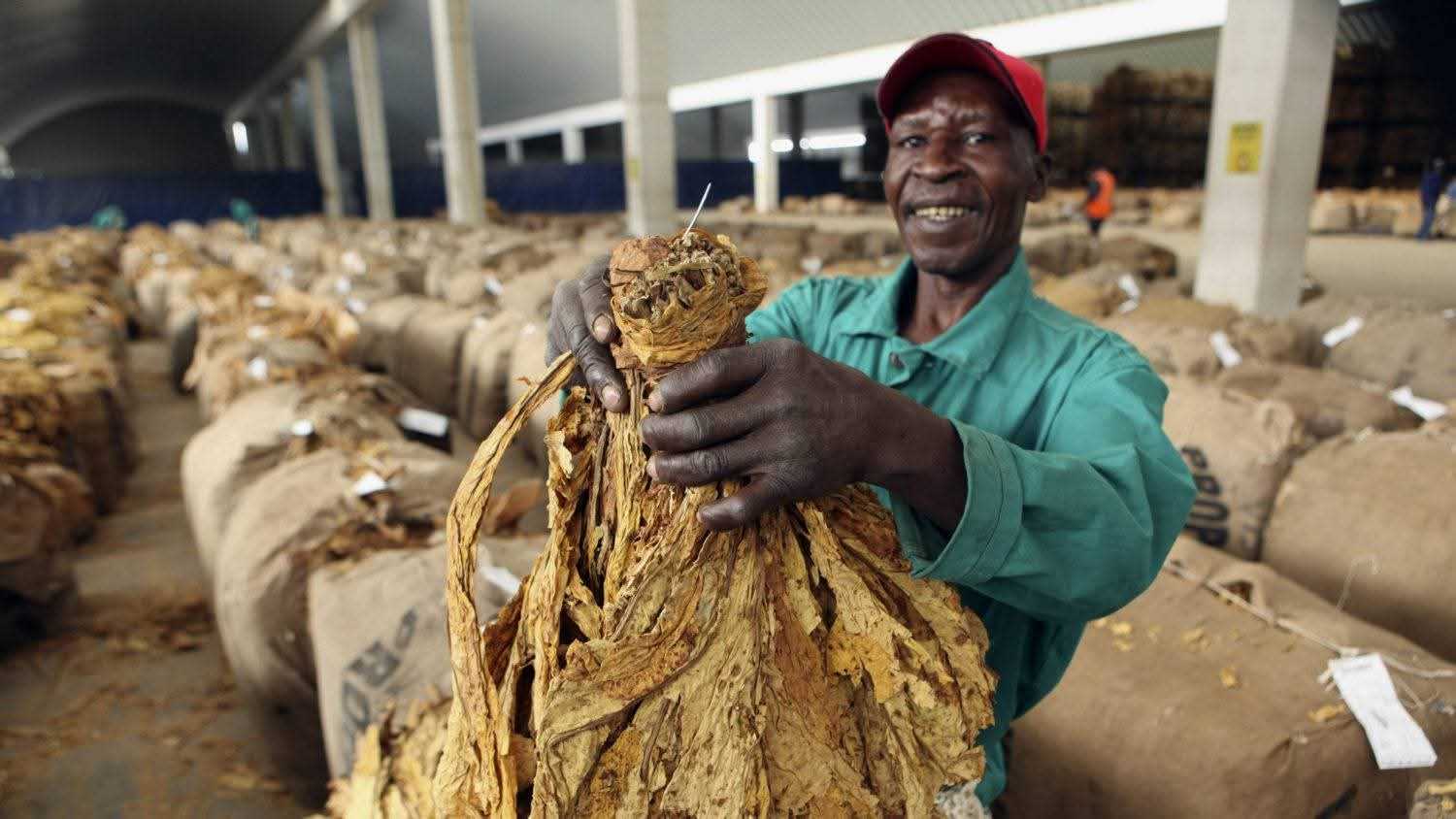
Zimbabwe’s heavy reliance on tobacco exports is exposing farmers to the risks of global market volatility, as the 2026 marketing season begins with widespread concern over low prices offered to growers.
Economist Tinotenda Bunhu say the situation reflects deeper structural challenges in the country’s agricultural economy, where dependence on a single export crop leaves producers vulnerable to global oversupply cycles and shifting demand in key markets.
While authorities have indicated that prices are stabilising, he noted that earlier signals from the Tobacco Industry and Marketing Board (TIMB) about global oversupply point to deeper structural challenges in Zimbabwe’s agricultural economy.
“Global tobacco markets are facing oversupply, with many countries still holding large stocks from previous seasons. Naturally, such conditions place downward pressure on prices,” Bhunu said.
He added that although TIMB recently reported that prices were stabilising as more buyers entered the market, the contrasting messages reflect the broader volatility of global commodity markets.
Bhunu argued that Zimbabwe’s reliance on tobacco, one of the country’s top foreign currency earners, exposes farmers to shifts in global demand and supply cycles.
“Tobacco remains a critical foreign currency earner, but global oversupply cycles remind us that long-term resilience lies in diversification, expanding into other high-value crops and agro-processing sectors,” he said.
His remarks come as farmers expressed frustration during the opening of the 2026 tobacco marketing season, after rejecting what they described as extremely low prices offered by buyers on the first day of sales in Harare.
Opening bids at auction floors ranged from about US$1 per kilogram to as low as 45 cents, prompting widespread resistance from growers who fear significantly reduced earnings this season.
Zimbabwe Tobacco Growers Association president George Seremwe said the initial offers were unacceptable.
Related Stories
“It’s disappointing and we can’t convince our farmers to give away their crop for a song. The offer is just too little. It’s depressing,” Seremwe said.
However, industry analysts say prices may struggle to reach last season’s levels due to a global surplus of tobacco leaf.
Zimbabwe is expecting what could be a record tobacco harvest this year, while other producing countries such as Brazil, Zambia and Tanzania are also forecasting larger crops, contributing to a saturated global market.
Demand has also been affected by reduced imports from China, traditionally Zimbabwe’s largest buyer. Analysts say the decline is partly linked to economic adjustments and shifting consumer preferences, including a growing move toward super-slim cigarettes that require less tobacco leaf.
Industry veteran and tobacco buyer Cyprian Foya said global market conditions would ultimately determine pricing this season.
“The pricing dynamics this year will hinge heavily on global conditions rather than local expectations,” Foya said. “There is a global oversupply and it’s well known how such situations affect prices.”
Lower prices could place additional strain on farmers already grappling with rising production costs, with some growers calling for improved financing mechanisms and broader access to export markets to cushion them from volatile price trends.
Despite the challenges, Zimbabwe’s flue-cured tobacco continues to command strong international demand due to its quality.
TIMB chairperson Peter Davenish said the country had earned US$399.8 million from tobacco exports by mid-February 2026, with shipments going to markets in the Far East, Europe, Africa and the Middle East.
For the 2026 season, three auction floors, Tobacco Sales Floor, Premier Tobacco Auction Floors and Ethical Sales Floor, are operating alongside five decentralised selling centres to reduce travel distances and marketing costs for farmers.
Smallholder farmers produce about 85% of Zimbabwe’s tobacco, making the crop a vital source of income for rural households. However, economists say the current market conditions reinforce the need for broader agricultural diversification to reduce exposure to global commodity cycles.






Leave Comments