







Zimbabwe’s economic reform efforts under a programme with the International Monetary Fund have received renewed support from the African Development Bank, as the country continues to seek a path out of its long-standing debt crisis and regain access to international financing.
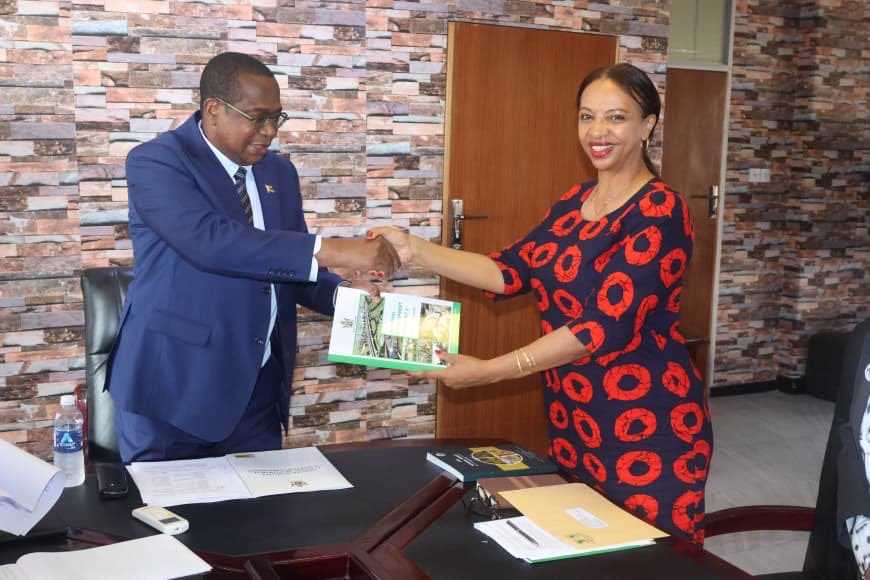
The endorsement was made during a meeting in Harare between Finance Minister Mthuli Ncube and the newly appointed AfDB Country Manager for Zimbabwe, Eyerusalem Fasika, where discussions focused on economic reforms and cooperation between Zimbabwe and the continental lender.
Zimbabwe is currently implementing a Staff-Monitored Programme with the IMF, a non-funded arrangement designed to help countries build a credible record of policy discipline and macroeconomic reforms before accessing financial assistance.
Speaking after the meeting, Fasika praised the government for committing to the programme.
“The African Development Bank commends Zimbabwe for undertaking the International Monetary Fund Staff-Monitored Programme aimed at stabilising the economy, strengthening fiscal discipline and re-engaging with international creditors to resolve debt arrears,” she said.
Zimbabwe has been unable to access most credit markets for more than two decades due to unpaid debt obligations. Treasury estimates place the country’s public and publicly guaranteed debt at over US$21 billion, with arrears accounting for more than US$12 billion of the total
Related Stories
The AfDB itself is among the creditors owed significant arrears by Zimbabwe, estimated at about US$700 million, making its participation central to the broader debt resolution process.
Government has been pursuing the Arrears Clearance and Debt Resolution Roadmap, a structured dialogue platform supported by AfDB president Akinwumi Adesina and former Mozambican president Joaquim Chissano, aimed at normalising relations with international financial institutions.
Fasika reiterated the bank’s backing for the initiative, noting that resolving the debt impasse could unlock fresh development financing.
“Zimbabwe’s Arrears Clearance and Debt Resolution Roadmap is expected to restore access to international financing,” she said.
However, the success of the reform programme will depend on the government maintaining fiscal discipline and stabilising the domestic currency.
Zimbabwe’s economy has experienced repeated cycles of instability over the past decade, including hyperinflation and currency volatility. Although inflation has moderated in recent months, policy credibility and exchange-rate stability remain key concerns for investors and creditors.







Leave Comments