









Zimbabwe is witnessing a growing surge in unlicensed cosmetic and medical procedures being carried out in salons and informal settings, raising serious public health concerns as unsuspecting clients are exposed to life-threatening risks.
Services such as intravenous drips, teeth whitening and chemical skin treatments traditionally reserved for regulated medical facilities are now being offered in beauty spas and backroom operations, often without qualified personnel or proper licensing.
The Health Professions Authority Zimbabwe said the trend is expanding, with more operators venturing into medical-grade procedures outside the law.
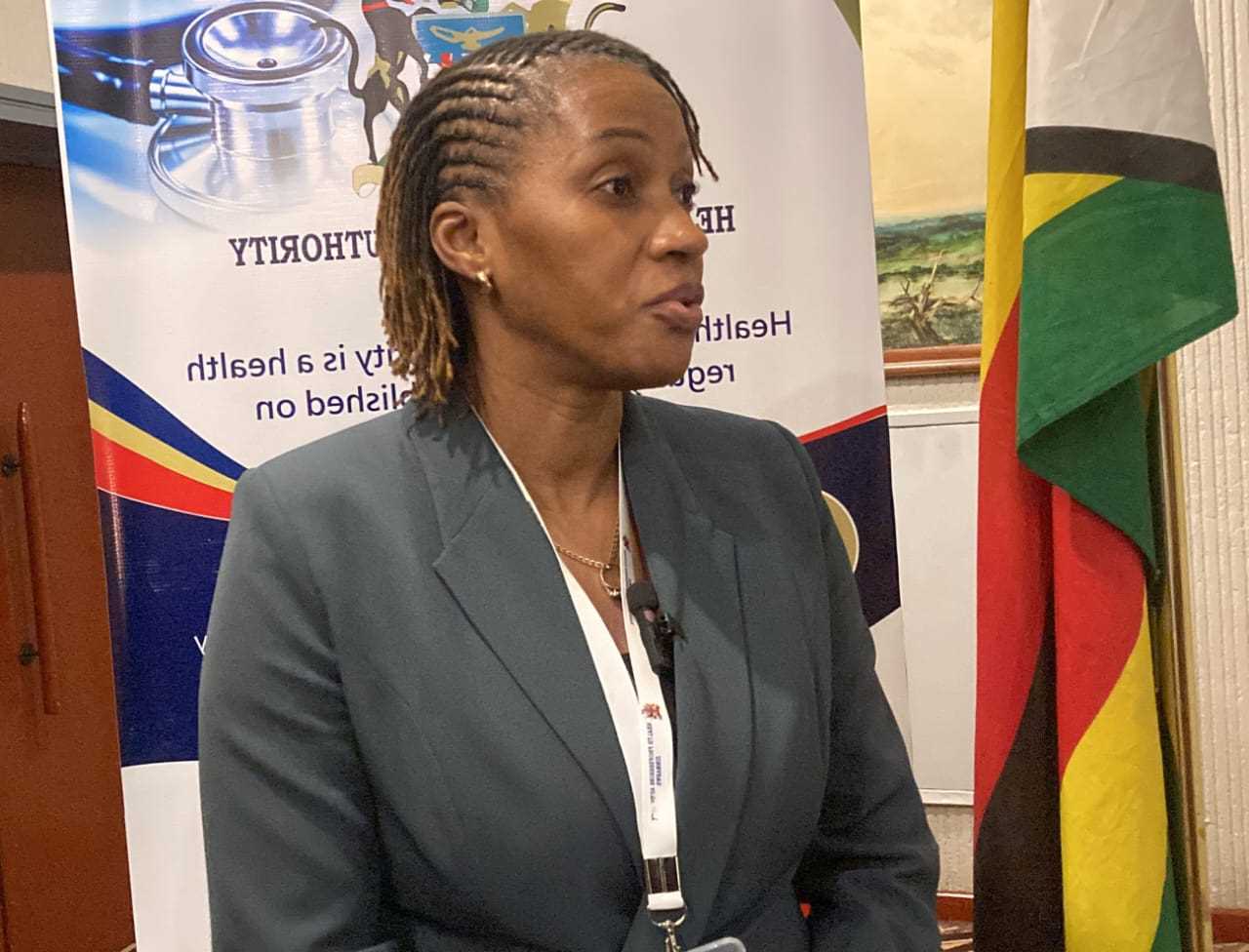
“It has come to the attention of the Authority that several beauty salons, wellness spas and boutiques are offering services such as teeth whitening, intravenous vitamin infusions, chemical procedures and other invasive cosmetic treatments without the mandatory medical licenses or qualified personnel,” said Secretary General Clotilda Chimbwanda.
Health experts warn that such practices expose clients to serious complications, particularly in environments that lack basic infection prevention and control systems.
“When these medical procedures are carried out in unregistered and unregulated spaces, the risks to the patients are severe,” she said.
“Non-clinical environments often lack the infection prevention and control standards required and often involve broken skin, which poses a high risk of blood-borne diseases.”
Authorities say procedures involving injections or skin penetration must only be conducted by registered professionals in licensed facilities, as provided for under Zimbabwean law.
“Section 121 explicitly states that no person shall practice as a health practitioner or perform any act specifically pertaining to a health profession unless they are registered under the Act,” said Chimbwanda.
“Performing medical acts like injections or treatments in an environment other than a health facility is therefore a direct violation of this law.”
The proliferation of such services has also seen some individuals falsely presenting themselves as qualified practitioners.
“Section 126 makes it a criminal offense for any individual to represent themselves as a registered professional or to perform duties reserved for licensed practitioners,” she said.
Related Stories
Equally, operating a medical facility without registration remains unlawful.
“Section 99 mandates that no person shall operate or carry on a health institution unless it is registered with the Authority,” Chimbwanda said.
“Any unregistered facility offering medical-grade procedures is therefore illegal.”
Medical practitioners say the absence of emergency response systems in such facilities further increases the danger to patients.
“Unlicensed facilities are not equipped to handle medical emergencies, which can include shock or severe allergic reactions,” she added.
The Authority says it continues to enforce regulations aimed at safeguarding public health and maintaining standards within the healthcare sector.
“The HPA serves as a shield between the public and substandard care,” said Chimbwanda.
“By enforcing the Act, the Authority ensures that facilities meet minimum standards for hygiene, equipment and safety.”
Members of the public have been urged to exercise caution and verify the legitimacy of facilities before undergoing any procedure.
“As the Authority, we strongly advise all citizens to be vigilant and act as the eyes and ears of the Authority,” she said.
“Before undergoing any procedure, check for the HPA registration certificate, which should be prominently displayed in the reception area.”
“You should also verify the practitioner’s licence by asking to see a current practising certificate from the relevant council,” she added.
“Should you encounter any suspicious activity or question any facility, do not hesitate to report to the Authority.”








Leave Comments