









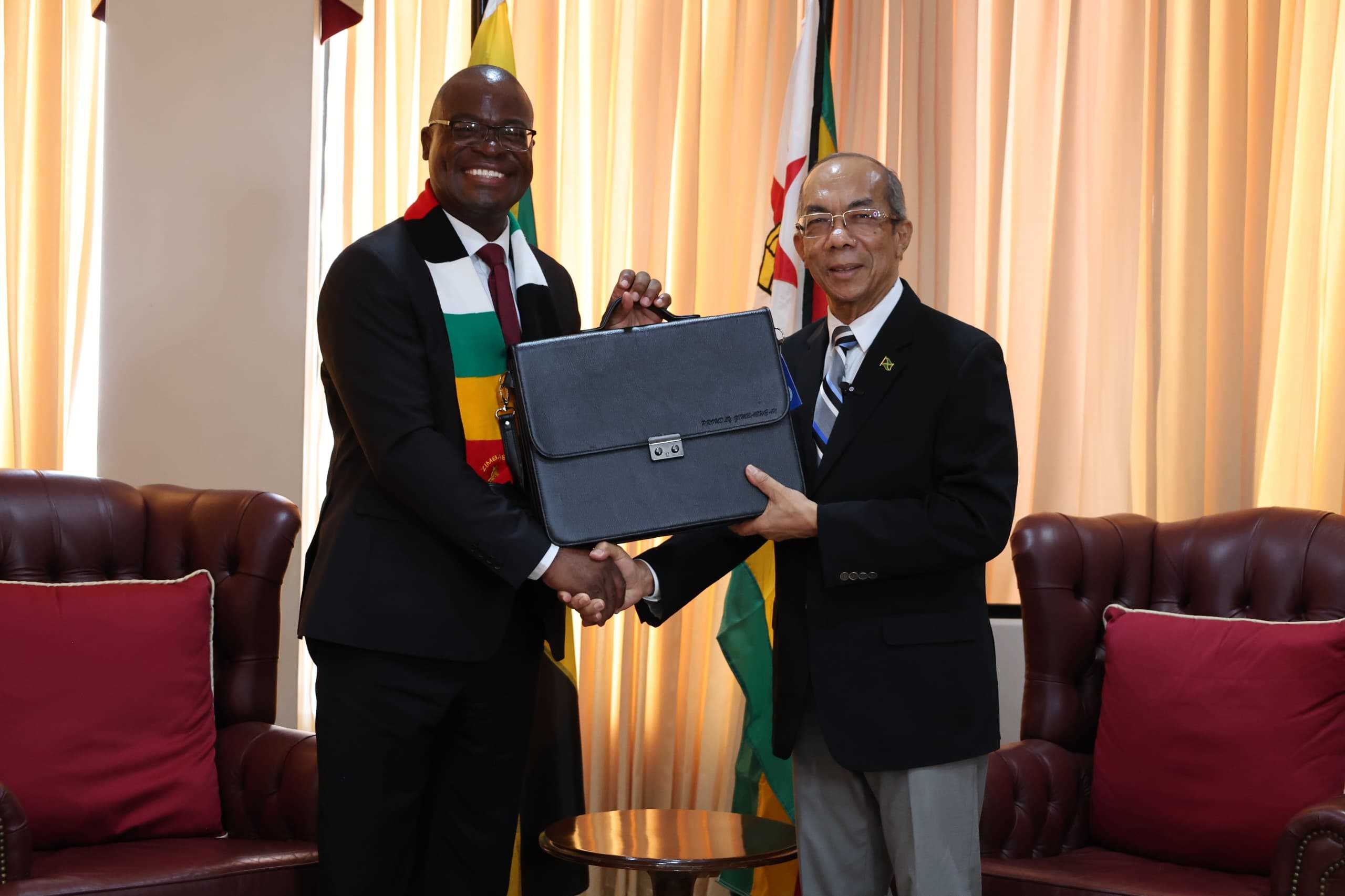
Zimbabwe and Jamaica are quietly redefining their long-standing relationship, moving beyond shared history and symbolism to focus on trade, skills transfer and innovation areas seen as critical to delivering real economic benefits for ordinary citizens.
For decades, ties between the two nations have been anchored on cultural identity and political solidarity, but the emerging shift reflects a growing realisation that these connections must now translate into jobs, investment and measurable development outcomes.
Prof. Amon Murwira said while history remains important, the future of the relationship lies in practical cooperation. “The symbolic importance of Marley and the song ‘Zimbabwe’ binds our nations,” he said, adding that such connections should now open pathways for economic opportunity and collaboration.
He said that Zimbabwe’s global engagement is increasingly being shaped by the need to represent and advance the interests of developing nations. “Zimbabwe seeks this seat as a voice for developing nations and for a more representative United Nations,” he said.
Related Stories
Jamaica’s Deputy Prime Minister Horace Chang said stronger partnerships among developing countries are essential in a changing global landscape. “Unity among developing nations strengthens our ability to influence global decisions,” he said, underscoring the importance of coordinated efforts.
He pointed to an untapped opportunity in linking talent and innovation across borders. “We are not short of talent, what we need is to better utilize and connect our skills and technologies,” said Chang.
Beyond diplomacy, both countries are increasingly looking at sectors such as technology, climate resilience and security as areas where cooperation can produce tangible results, especially as global challenges continue to affect developing economies.
“Criminal networks exploit weaknesses across borders, making cooperation essential,” Chang said, highlighting the need for stronger institutional linkages and shared strategies.
The shift signals a broader transition in how developing nations engage —from symbolic alliances to results-driven partnerships with Zimbabwe and Jamaica now positioning their relationship around economic value, shared expertise and long-term growth.









Leave Comments