



Zimbabwe is at a critical stage in its development journey as government officials and international partners reassess progress toward national development priorities and sustainable growth goals.
Discussions during the Joint Sustainable Development Goals and Zimbabwe United Nations Sustainable Development Cooperation Framework Steering Committee meeting held in Harare on March 26, 2026, highlighted both measurable gains and persistent structural challenges shaping the country’s development trajectory.
Central to the meeting was the need to align international development support with Zimbabwe’s national priorities as the country transitions from the National Development Strategy 1 to National Development Strategy 2.
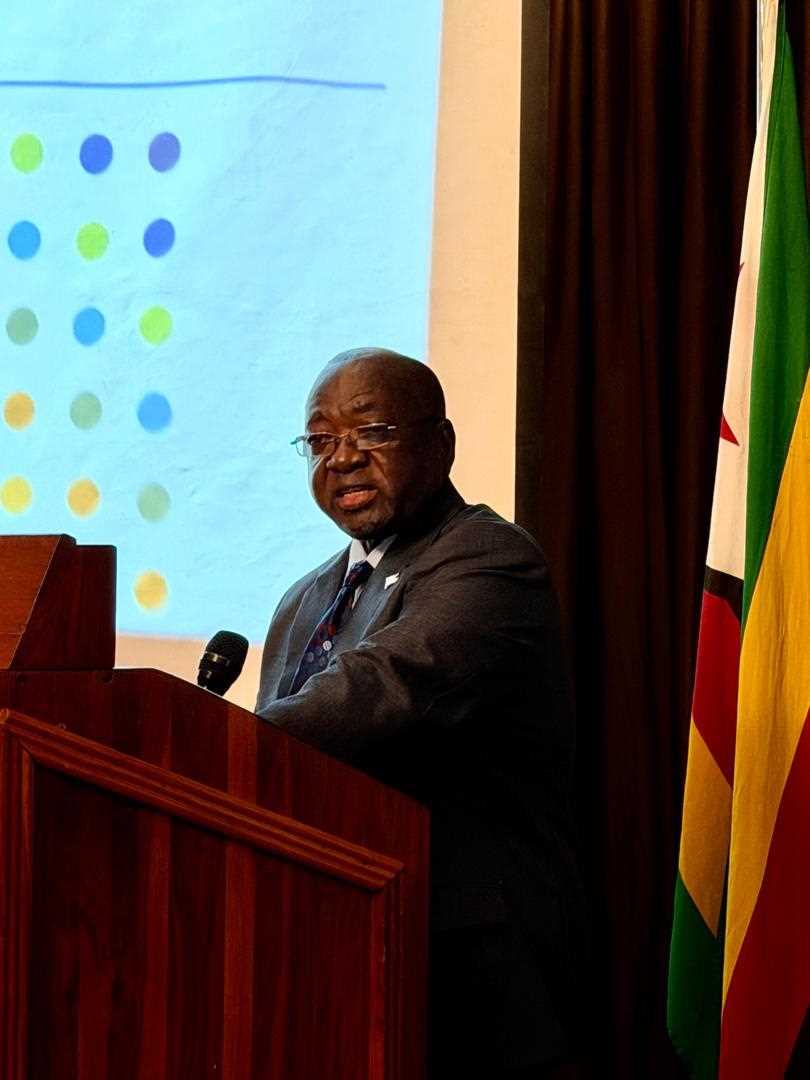
Chief Secretary to the President and Cabinet Martin Rushwaya described the Cooperation Framework as a high-level policy platform aimed at ensuring coordination between the United Nations development system and Zimbabwe’s national development agenda.
Participants noted progress across several social sectors. Health service coverage increased to 99 percent in 2025, up from 93 percent in 2022, while social protection programmes expanded to reach 76 percent of people classified as extremely poor following the El Niño-induced drought.
Education indicators have also improved, with enrolment rising at both infant and secondary levels, signalling gradual recovery in human capital development.
United Nations Resident and Humanitarian Coordinator Edward Kallon said the Cooperation Framework has mobilised about US$2 billion of the planned US$2.8 billion since 2022, including more than US$288.5 million secured in 2025 alone.
Related Stories
He noted that over half of the resources were channelled through joint programmes, reflecting growing collaboration among development partners.
Despite the progress, stakeholders acknowledged mounting pressures facing developing economies globally, including constrained fiscal space, rising debt burdens, and declining levels of Official Development Assistance.
Kallon said traditional development financing was stagnating in real terms, making it necessary for countries to adopt innovative financing mechanisms to sustain development programmes.
At the domestic level, Zimbabwe continues to face structural challenges such as public debt pressures, economic informality, and disparities between urban and rural communities, particularly in access to water and other essential services.
As the country prepares to implement NDS2, discussions emphasised the need to rebalance development priorities toward economic transformation, industrialisation, and stronger governance systems.
Rushwaya stressed that future progress would depend on improved implementation, measurable outcomes, and stronger accountability supported by reliable data systems.
The next Cooperation Framework covering the period 2027 to 2031 is expected to align closely with NDS2 and the SDGs while prioritising innovative financing approaches, including private sector investment, blended finance, and climate funding initiatives.
Observers said Zimbabwe’s development outlook will ultimately hinge on sustained partnerships, effective execution of policies, and inclusive economic growth that benefits all communities.







Leave Comments