








The likelihood of a national referendum on the controversial Constitutional Amendment Bill No. 3 appears to be diminishing as Parliament rolls out nationwide public hearings, a process critics argue risks replacing, rather than complementing, broader constitutional consultation.
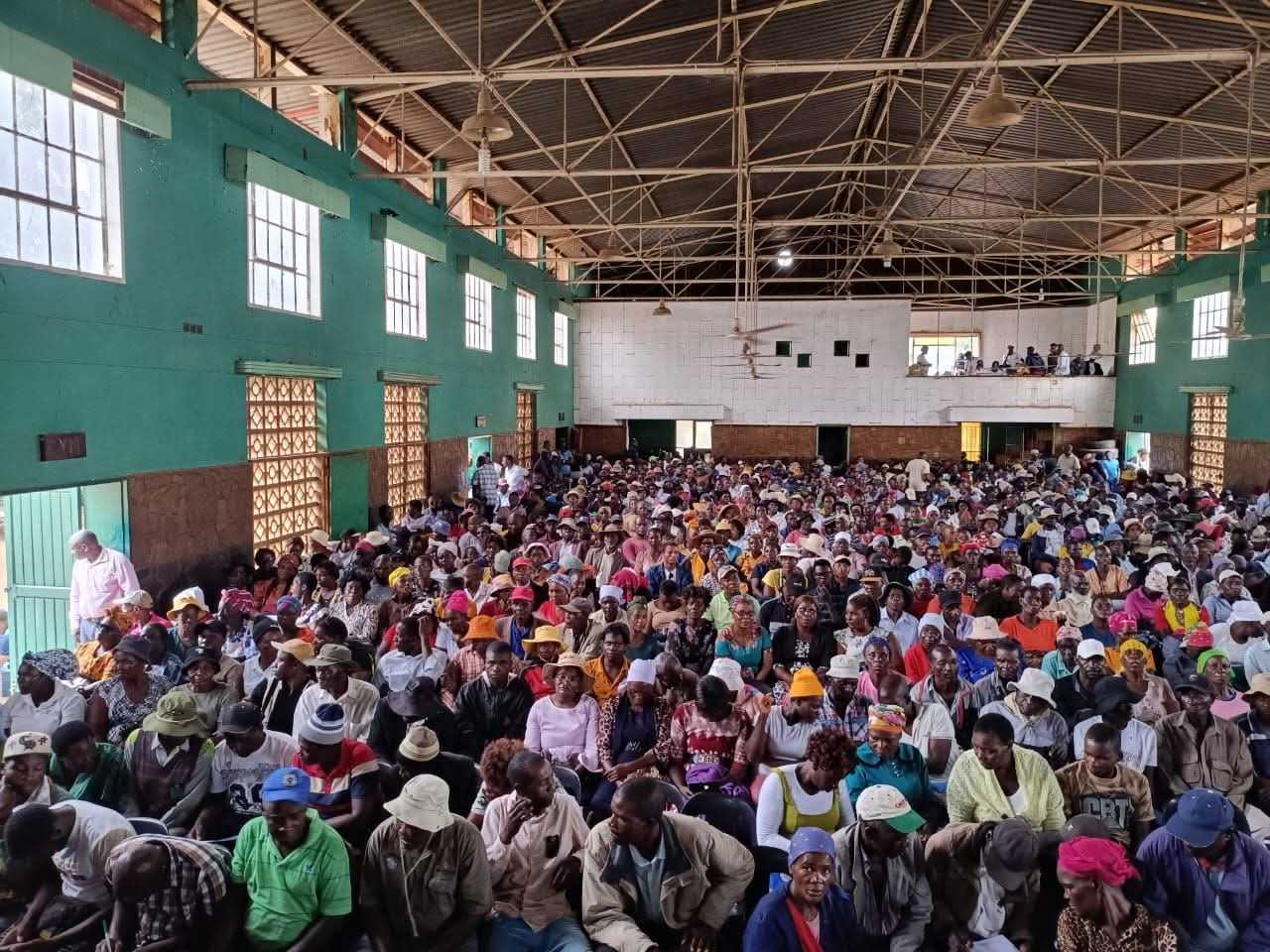
Public hearings organised by the Parliament of Zimbabwe are currently underway in centres including Esigodini, Tsholotsho and Gokwe, drawing large numbers of citizens eager to make submissions on the proposed constitutional changes.
Authorities say the strong turnout demonstrates growing public interest in governance and participation in legislative processes.
“Members of the public have gathered to present their views, raising concerns, sharing recommendations and engaging on key provisions of the proposed amendment,” Parliament said, describing the hearings as an important democratic platform.
Related Stories
However, the consultations are unfolding amid intensifying calls from constitutional lawyers, opposition figures and civil society organisations for the proposed amendments to be subjected to a referendum. Critics argue that the scale and nature of the changes under consideration warrant direct national endorsement through a popular vote.
Legal experts contend that amendments affecting core governance issues — including executive authority, institutional balance and leadership tenure — should be validated through a referendum to secure legitimacy and public trust.
While public hearings allow citizens to express opinions, they argue that such consultations lack the binding national mandate associated with a plebiscite.
Supporters of a referendum maintain that constitutional reform carries long-term implications for democratic governance and should therefore extend beyond parliamentary deliberations.
Government and ruling party officials, however, have emphasised that Zimbabwe’s Constitution permits amendments to be enacted through parliamentary procedures, provided the proposed changes do not fall within entrenched constitutional provisions that legally require a referendum.
As the hearings continue across provinces, attention is increasingly shifting to whether Parliament will proceed solely through legislative approval or whether mounting political and civic pressure could still reopen the question of a nationwide vote.








Leave Comments