









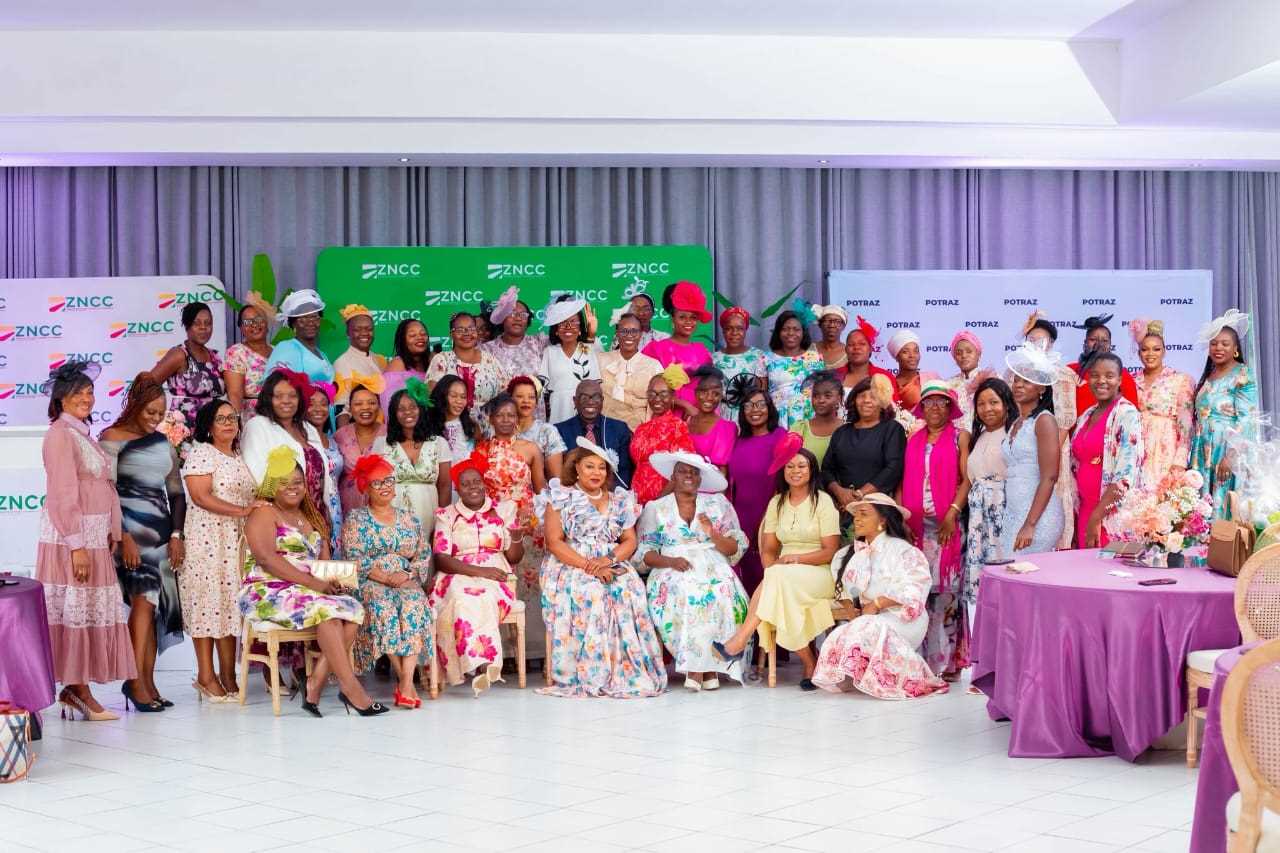
Women’s participation in Zimbabwe’s business leadership and enterprise development took centre stage this week as the Zimbabwe National Chamber of Commerce hosted a high-level Women’s High Tea, bringing together influential figures from across industries to reflect on progress and persistent gender gaps in the economy.
Held to mark the close of International Women’s Month, the event convened business leaders, entrepreneurs and policymakers for discussions focused on leadership, enterprise growth and the evolving role of women in driving economic transformation.
ZNCC described the gathering as “a powerful celebration — a moment of connection, inspiration and bold affirmation of the incredible women shaping industries, building legacies and redefining success.”
Despite increasing participation, structural inequalities continue to shape women’s economic experiences in Zimbabwe. Women dominate the informal sector, accounting for more than 60% of participation, yet remain underrepresented in formal corporate leadership positions and face ongoing barriers to accessing finance.
Related Stories
Regional data shows that women-owned enterprises consistently receive less credit than male-owned businesses, limiting opportunities for expansion, innovation and long-term sustainability.
Speakers at the forum, including business leaders Karen Mutasa and Emma Fundira, stressed the need to move beyond participation toward influence, particularly in high-value sectors where decision-making power remains concentrated.
ZNCC said the forum underscored the importance of collaboration, mentorship and leadership development. “We celebrated the women who lead, the women who rise and the women who uplift others along the way. When women come together, we create lasting impact,” the chamber said.
However, analysts note that while networking platforms play an important role in visibility and empowerment, sustained progress will depend on complementary policy reforms, improved access to capital and expanded market opportunities capable of translating dialogue into measurable economic outcomes.
The chamber reaffirmed its role in strengthening business ecosystems, with the event supported by partners including the Postal and Telecommunications Regulatory Authority of Zimbabwe, highlighting growing public–private collaboration aimed at advancing women’s economic inclusion.







Leave Comments