








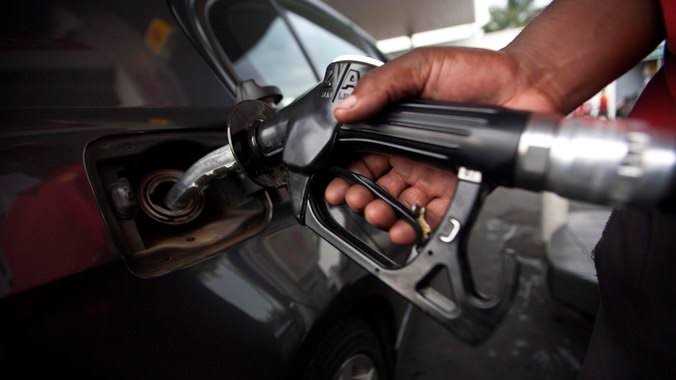
Several senior figures in Kenya’s energy sector have resigned following a major scandal involving alleged manipulation of fuel supply data and the procurement of an overpriced emergency shipment, authorities confirmed on Saturday.
The resignations include Joe Sang, Managing Director of the Kenya Pipeline Company (KPC); Daniel Kiptoo Bargoria, Director General of the Energy and Petroleum Regulatory Authority (EPRA); and Mohamed Liban, Principal Secretary for Petroleum. President William Ruto accepted Liban’s resignation as investigations intensified.
According to a statement from the presidency, the officials are accused of participating in irregular activities within Kenya’s petroleum supply chain, including allegedly altering fuel stock data to justify emergency imports despite the country maintaining active fuel supply contracts.
Government officials said existing agreements with international suppliers — including Saudi Aramco Trading Fujairah, ADNOC Global Trading Ltd of Abu Dhabi, and Emirates National Oil Company Singapore Ltd — were still being honoured even as global markets reacted to disruptions linked to the war involving Iran and the closure of the Strait of Hormuz.
Related Stories
Authorities allege that an emergency fuel shipment was acquired at inflated prices and of questionable quality, potentially exploiting rising global fuel costs and public fears of shortages. The government said the move may have created a false impression of an imminent fuel crisis.
“The government remains committed to safeguarding national resources and protecting the public interest,” the statement said, adding that any acts deemed economic sabotage would be fully investigated and prosecuted.
Local media reported that five senior officials were arrested in connection with the case. Among them are Joseph Wafula, deputy director of petroleum in the Ministry of Energy, and Joel Mburu, a supply and logistics manager at KPC. Detectives reportedly seized large sums of cash during the arrests.
The controversial procurement reportedly took place under Kenya’s government-to-government fuel import framework introduced in 2023 to stabilize fuel supplies following market volatility and foreign currency shortages triggered by the Russia-Ukraine war.
Although Kenya generates roughly 90 percent of its electricity from renewable sources, petroleum products remain essential for transportation and industrial operations, making fuel supply integrity a critical national concern.
Investigations into the alleged manipulation and procurement practices are ongoing.







Leave Comments