




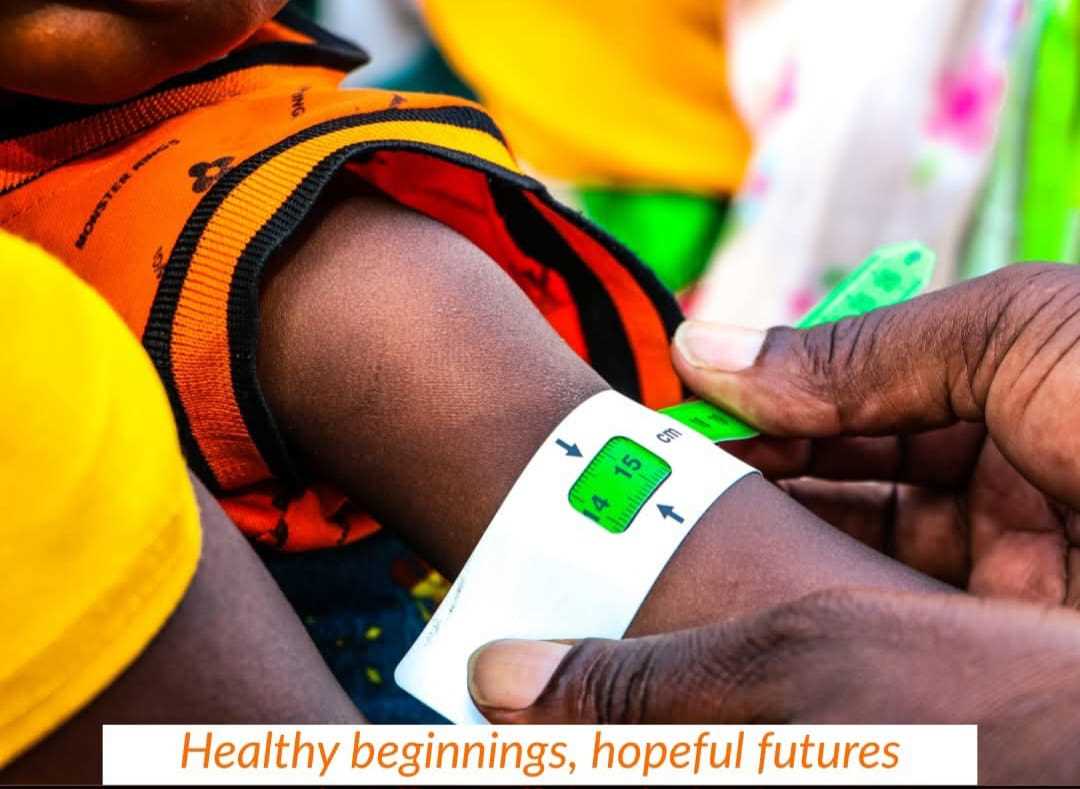
Zimbabwe’s health sector has come under renewed focus as the country joins the rest of the world in marking World Health Day 2026, with calls intensifying for urgent action to close persistent gaps in access to quality healthcare.
The global commemoration, held annually on April 7 to mark the founding of the World Health Organization, is running under the theme “Building a Healthier World for All,” which underscores the need to address inequalities that continue to shape health outcomes.
While Zimbabwe has made notable progress in strengthening its health delivery systems, concerns remain over systemic challenges that continue to hinder full access to care.
The right to health is constitutionally guaranteed under Section 76, which provides that every citizen and permanent resident is entitled to basic healthcare services a provision aligned with regional and international obligations.
The Zimbabwe Human Rights Commission (ZHRC) said the country has laid a solid legal, policy and institutional foundation towards achieving universal health coverage.
Efforts to expand health infrastructure and services have been supported by key initiatives such as the National Health Strategy, the proposed National Health Insurance Scheme, and continued investment in primary healthcare facilities.
Related Stories
The Commission also acknowledged the resilience of healthcare workers, who continue to provide essential services under challenging conditions.
At the same time, ongoing national discourse around the Medical Services Amendment Bill has brought increased attention to the need for health legislation that fully aligns with constitutional provisions, particularly in areas such as reproductive health.
However, the ZHRC said progress is being slowed by structural weaknesses within the health system.
Following monitoring visits to 28 health institutions between 2024 and 2025, the Commission noted that significant barriers remain, affecting service delivery and access across the country.
The findings, contained in the Commission’s Special Report on the Human Rights Situation in Public Health Institutions, point to resource limitations, infrastructure deficits and disparities in access as key challenges.
These gaps continue to undermine efforts to fully realise the right to health, particularly for vulnerable and underserved communities.







Leave Comments