









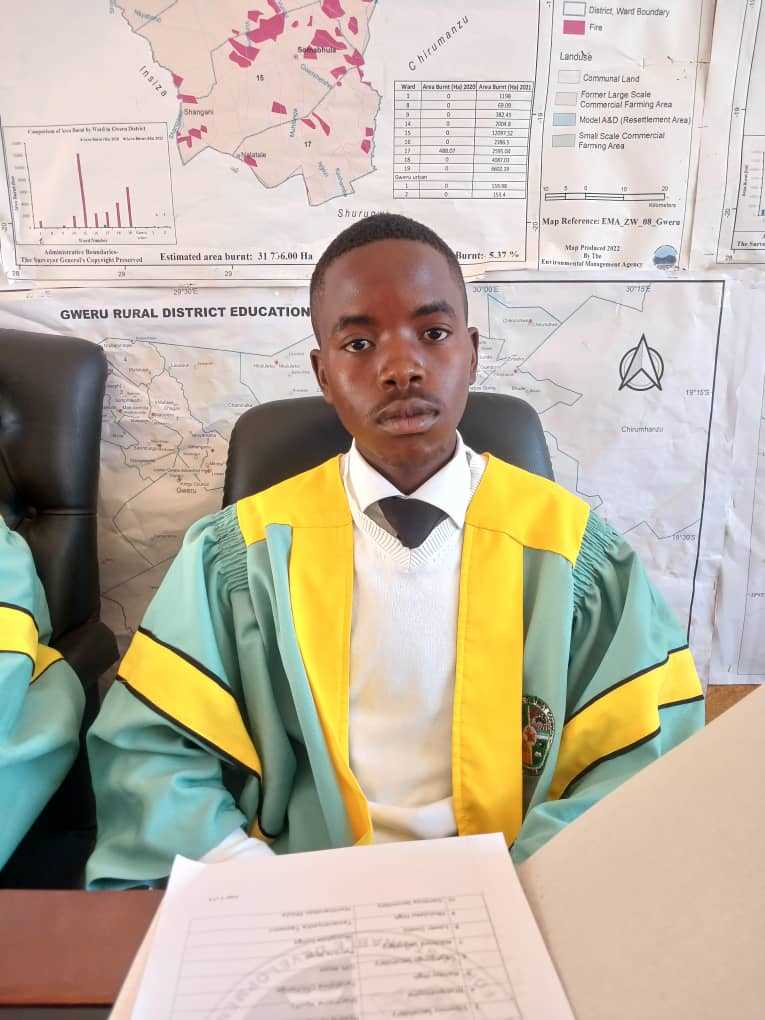
In the rural communities of Lower Gweru, where unemployment and drug abuse have increasingly shaped the lives of young people, youth leader Carlton Linos Mutsure is quietly building an alternative future — one rooted in opportunity, purpose and the land itself.
Mutsure, a Junior Councillor for Vungu Rural District Council and Provincial Chairperson of the Midlands Youth Trust Foundation, has transformed a modest two-hectare plot into a growing agropreneurship hub aimed at rescuing vulnerable youths from cycles of poverty and substance abuse.
His motivation is deeply personal.
Growing up in Vungu, Mutsure witnessed how limited opportunities pushed many young people toward drugs and crime. A turning point came when a close friend’s brother became entangled in substance abuse and legal trouble — an experience that convinced him that real change required practical solutions rather than community lament.
That conviction followed him to Lower Gweru, where he encountered similar struggles affecting families and young people. Determined to act, he mobilised community support and partnered with a local resident, Mr Majaji, to secure two hectares of land at Shiloh International Christian College in Insukamini — an area once characterised by unemployment and social challenges.
What began as a small initiative has evolved into a thriving youth agropreneurship programme. Participants receive training in sustainable farming while gaining access to seeds, tools and mentorship. Today, the project produces maize, vegetables and poultry, creating both income and stability for participating youths.
The transformation, Mutsure says, goes beyond agriculture.
Related Stories
Young people who once lacked direction are now earning livelihoods, feeding their families and rediscovering confidence. One young woman has established a successful vegetable garden supplying local markets, while another participant — previously struggling with substance abuse — now leads a poultry project and mentors fellow youths.
At its core, the initiative directly confronts Zimbabwe’s growing drug and substance abuse crisis in rural communities by providing practical alternatives. Alongside farming activities, the programme runs awareness campaigns, counselling sessions and educational workshops focused on prevention and rehabilitation.
Schools and surrounding communities are already witnessing change, with students reporting improved discipline, leadership confidence and stronger awareness of the dangers associated with substance abuse.
Despite visible progress, Mutsure believes the project’s potential extends far beyond its current footprint. He is now seeking partnerships with donors, policymakers and community leaders to expand the model and reach more vulnerable youths across the country.
Balancing leadership responsibilities, studies and community development work remains demanding, but Mutsure credits his faith and family support — particularly the encouragement of his grandmother — for sustaining his commitment to service.
Supported by local community leaders and councillors, he now envisions a nationwide network of youth-led agricultural hubs capable of turning rural spaces into centres of productivity, entrepreneurship and innovation.
For Mutsure, the future of rural development lies in empowering young people to become creators of opportunity rather than victims of circumstance.
His message to Zimbabwe’s youth is simple: take ownership of the future, build together and become agents of change within their own communities.









Leave Comments