







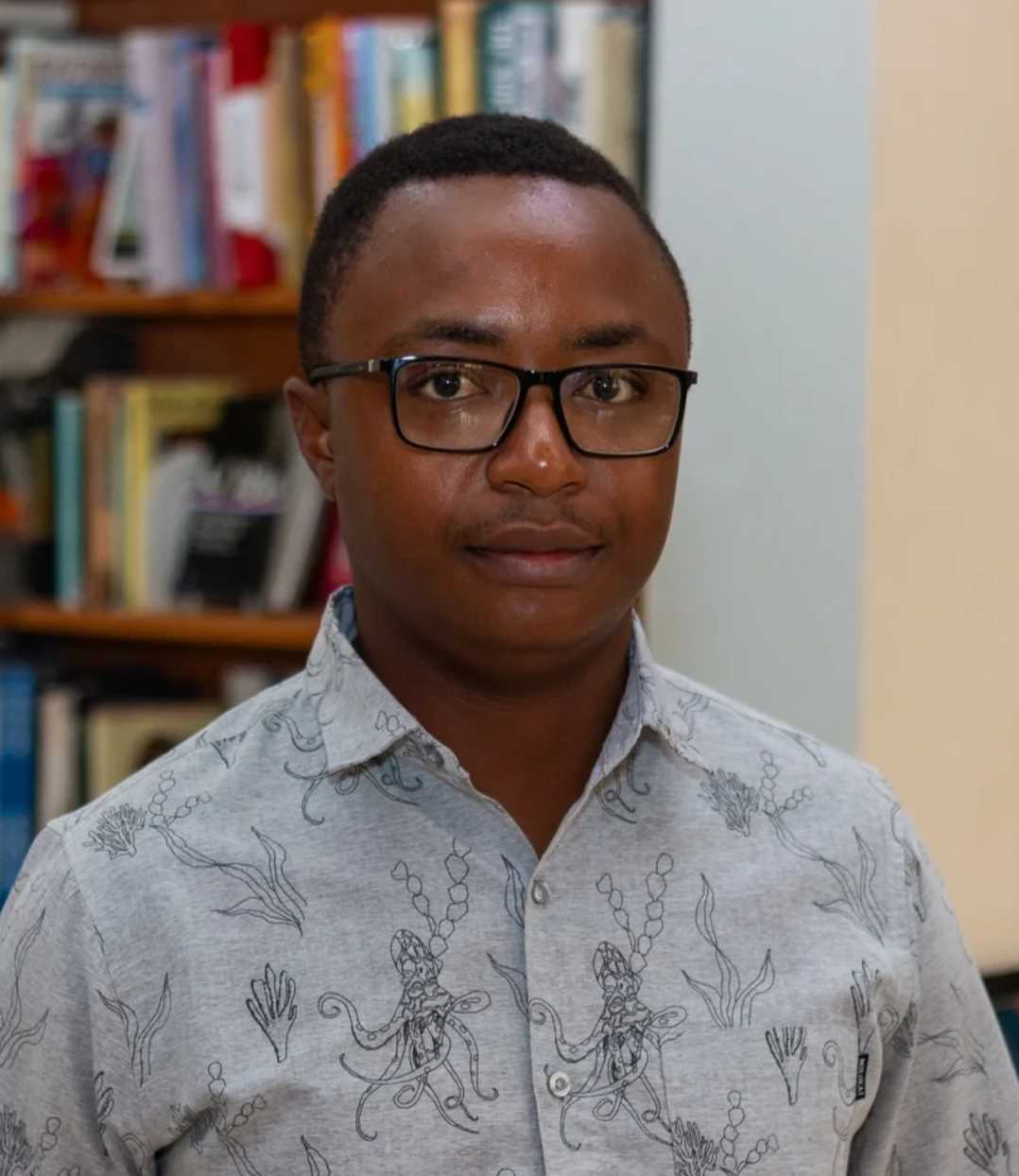
A major international award has placed Mutare-based visual artist Tinashe DeWolf on a global stage, marking a defining moment in his career as the only African among the winning artists — a milestone he describes as both affirming and humbling.
“Personally, it was affirming. It reminded me that the work I’m doing resonates beyond my immediate environment,” he said. “The fact that I was the only African represented among the winning artists filled me with pride in taking Zimbabwean and African art to the world.”
Professionally, he sees the recognition not as a peak but a beginning.
“It was a mix of gratitude and clarity,” he added. “Being recognised as a self-taught artist feels like steering a ship alone through a vast ocean with nothing but curiosity, and somehow reaching the destination I aimed for.”
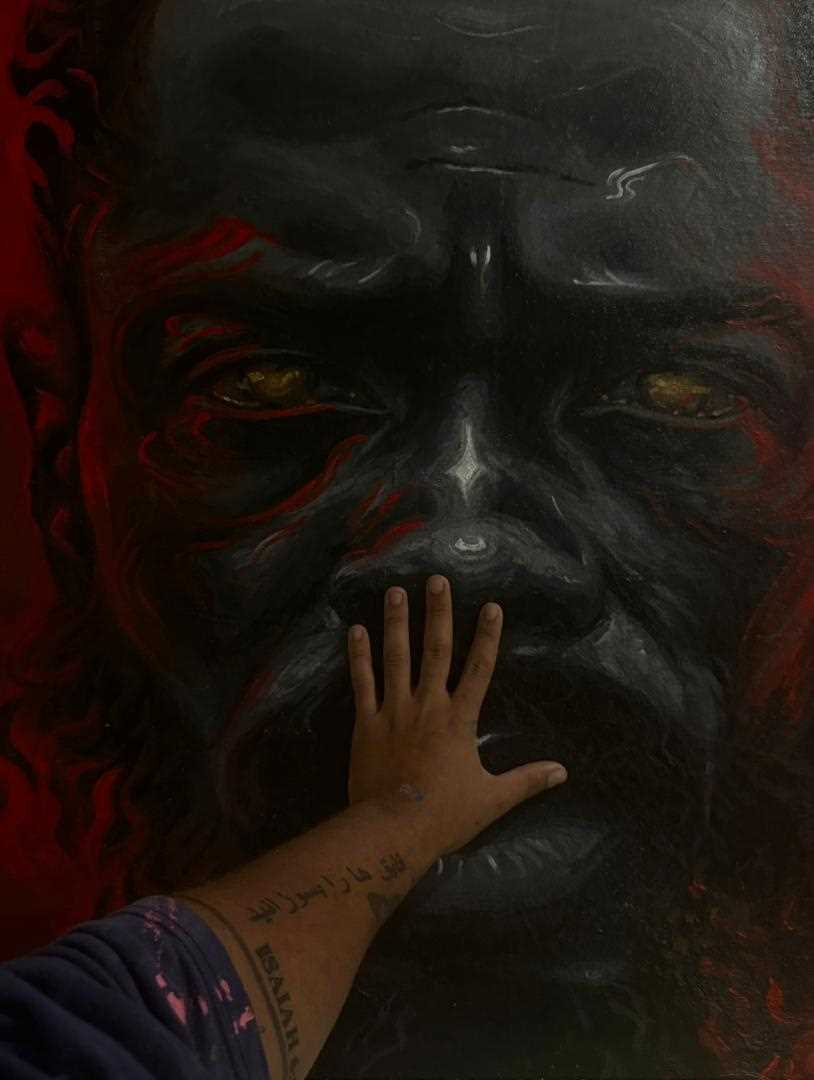
In a quiet studio far from the traditional centres of the global art world, DeWolf is building a body of work that carries the emotional weight of a nation’s stories. Through portraiture shaped by memory, identity and cultural reflection, the self-taught Zimbabwean artist is emerging as one of the new voices redefining contemporary African art.
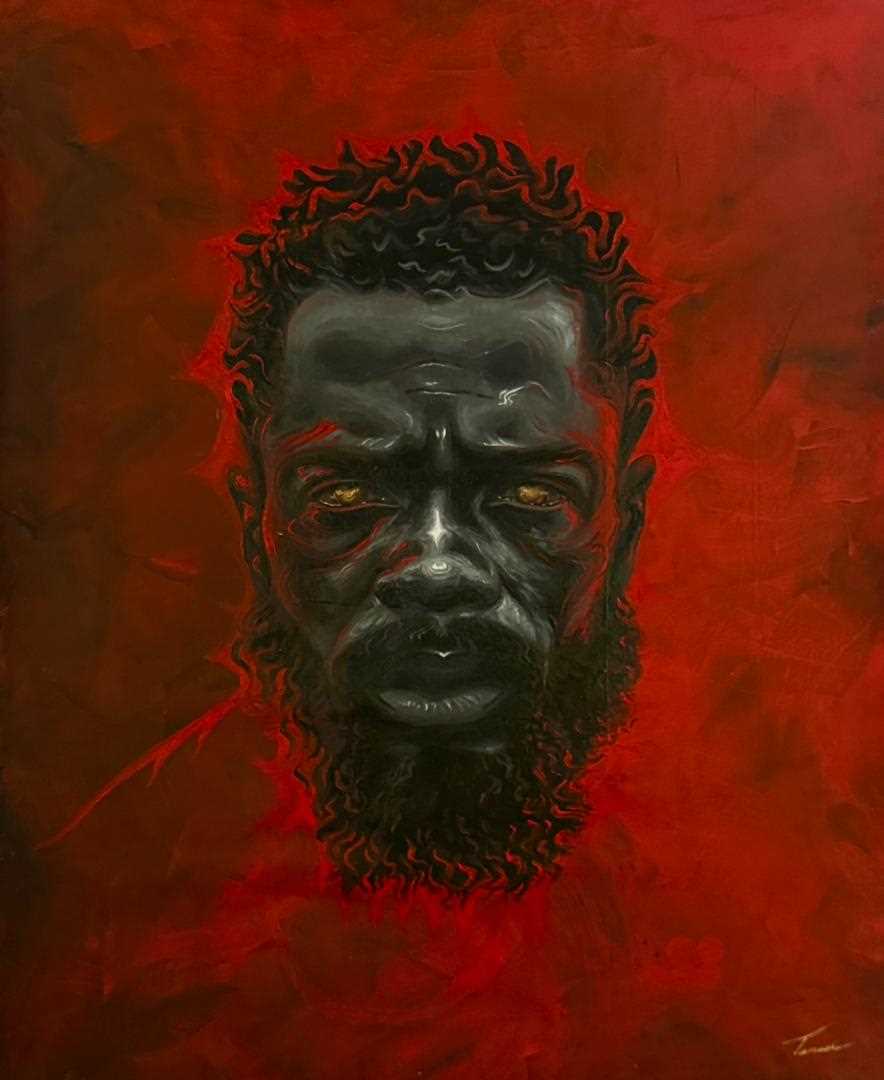
DeWolf’s work is rooted in people — their struggles, responsibilities and silent resilience. His paintings do more than capture likeness; they interrogate identity itself, asking what it means to exist between cultures, histories and expectations.
“My name is Tinashe, and I’m a visual artist from Mutare, Zimbabwe. I primarily work in portraiture, using painting as a way to explore identity, leadership, and the emotional weight people carry,” he said. “My work focuses on capturing Zimbabwean representation socially, culturally, and psychologically.”
Creativity, he explains, was never a choice but a natural response to his upbringing. Moving between Zimbabwe and the United States at a young age exposed him to contrasting social environments, sharpening his awareness of belonging and perception.
“I’ve been creative for as long as I can remember — it’s a filter of the world I was born into,” DeWolf said. “Moving back and forth between Zimbabwe and the United States gave me a heightened awareness of identity and cultural perspective, and art became a way for me to process and express that. Over time, it shifted from an interest into a purpose.”
That sense of dual identity continues to define both his artistic voice and subject matter. He describes himself as a “rwaivhi” — a chameleon navigating cultural transitions — an experience that informs the themes of dignity, resilience and quiet strength visible throughout his work.
“My life experiences are central to everything I create,” he said. “Growing up changing between cultures made me deeply aware of how identity is shaped and perceived.”
DeWolf draws inspiration from everyday Zimbabweans — miners, transport operators, athletes and workers whose lived experiences carry stories rarely preserved in formal art spaces.
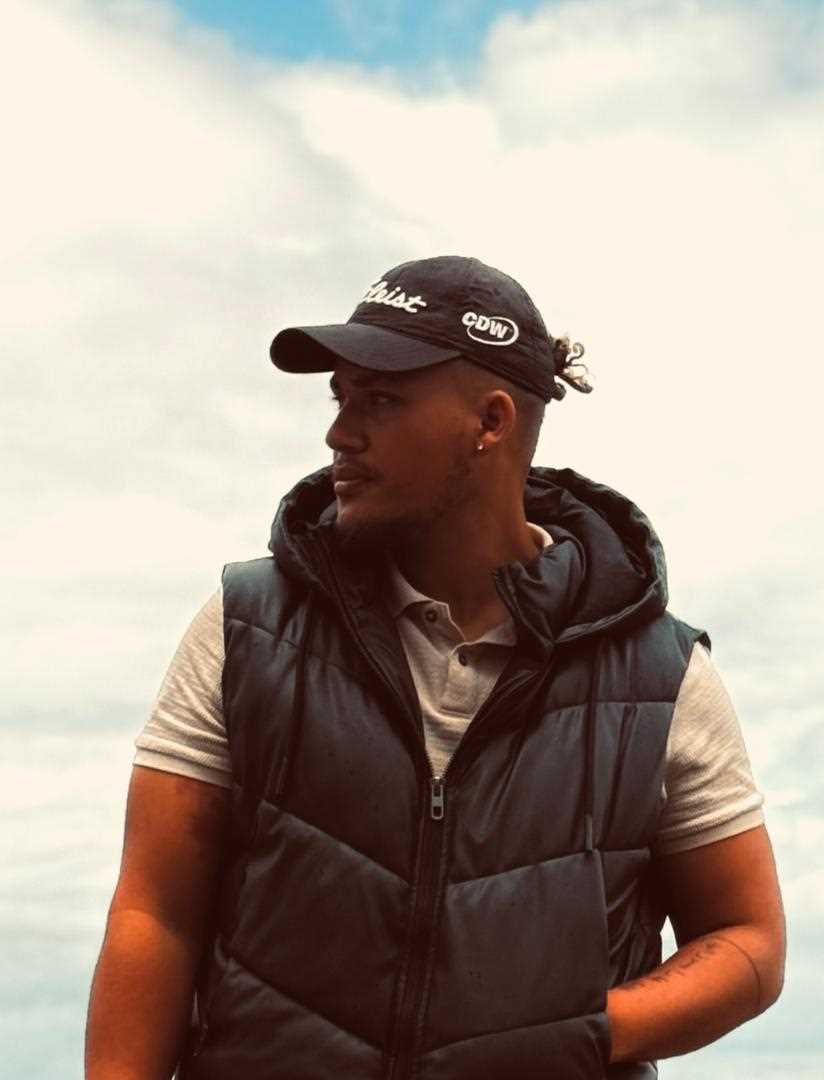
“My inspiration comes from people, particularly those who carry a certain weight — leaders, workers, and individuals shaped by responsibility or expectation,” he said.
His artistic style blends classical portraiture techniques with contemporary African expression. Deep reds, blacks and gold accents dominate his palette, creating a sense of intensity and reverence.
Related Stories
“I have developed two ‘languages’ in my painting,” he explained. “One builds the face or body from shadow to mid-tone to highlight in flowing motions, almost like sculpture. The second draws from a Claude Monet–inspired approach, combining impressionist colour theory with expressionist freedom.”
When these approaches meet, he says, they generate the “life force” that defines his work.
Operating from Mutare has presented its own challenges. Limited access to markets, materials and exposure has forced the artist to rely heavily on self-driven visibility.
“One of the main challenges has been access,” DeWolf said. “Being based in Zimbabwe, particularly in Mutare, can make it more difficult to tap into global art systems.”
Social media and consistency have become critical tools in bridging that gap, allowing his work to travel where geography might otherwise limit opportunity.
The recent closure of the National Art Gallery in Mutare has further deepened his sense of responsibility toward the region’s artistic community.
“That gallery was a vital lifeline for artists in the region,” he said. “I’m determined to ensure that Manicaland’s artistic voice is not forgotten.”
For DeWolf, art is not simply personal expression but a cultural obligation. He sees himself as part of a wider African artistic renaissance reshaping global narratives about the continent.
“I feel a responsibility to push Zimbabwean art into broader global conversations,” he said. “Africa is experiencing an exciting artistic renaissance, and I want to be among those shaping new narratives.”
Despite the pressures of creative work, he rarely struggles with artistic stagnation. Instead, he turns to observation — conversations, people and quiet reflection — to reconnect with inspiration.
“The goal is to return to the work with clarity and excitement to represent a concept, rather than pressure to simply paint,” he said.
To young creatives, DeWolf emphasises discipline over talent and intentional growth over validation.
“Take your work seriously from the beginning,” he advised. “Don’t wait for validation to start moving like a professional. Talent alone is not enough — you also need discipline and direction.”
He encourages emerging artists to build their own artistic worlds and perspectives rather than imitate others.
“If you can create a world of your own with its own languages that you can draw from and contribute to, it becomes a powerful framework for your art.”
Following his recent award recognition, DeWolf’s ambitions are firmly set on expansion — deeper artistic exploration, stronger gallery relationships and broader global engagement.
“My focus now is on growth and expansion,” he said. “I want to continue refining my body of work and positioning myself on a more global stage while representing Zimbabwean narratives at the highest level.”
From Mutare to international platforms, Tinashe DeWolf’s journey reflects a new generation of Zimbabwean artists determined not only to participate in the global art conversation, but to reshape it — one portrait, one story and one brushstroke at a time.




Leave Comments