
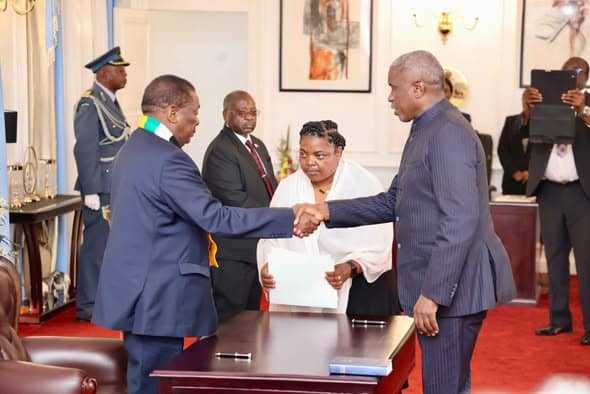








Visiting Duma Boko yesterday toured the Geo Pomona Waste Management facilities in Harare, placing fresh regional attention on Zimbabwe’s efforts to transform waste management into a platform for energy generation and urban renewal.
The visit formed part of the Botswana leader’s official programme following the Zimbabwe–Botswana Bi-National Commission, which he co-chaired with Emmerson Mnangagwa, highlighting growing cooperation between the two neighbours on environmental infrastructure and sustainable development initiatives.
At the Pomona site, President Boko toured key components of the facility, including the recently opened Sprout Restaurant, sporting facilities, the weighbridge and the encapsulation unit. The delegation was led through the project by executives from Geo Pomona Waste Management, who outlined progress toward converting the former dumpsite into a modern waste-to-energy complex.
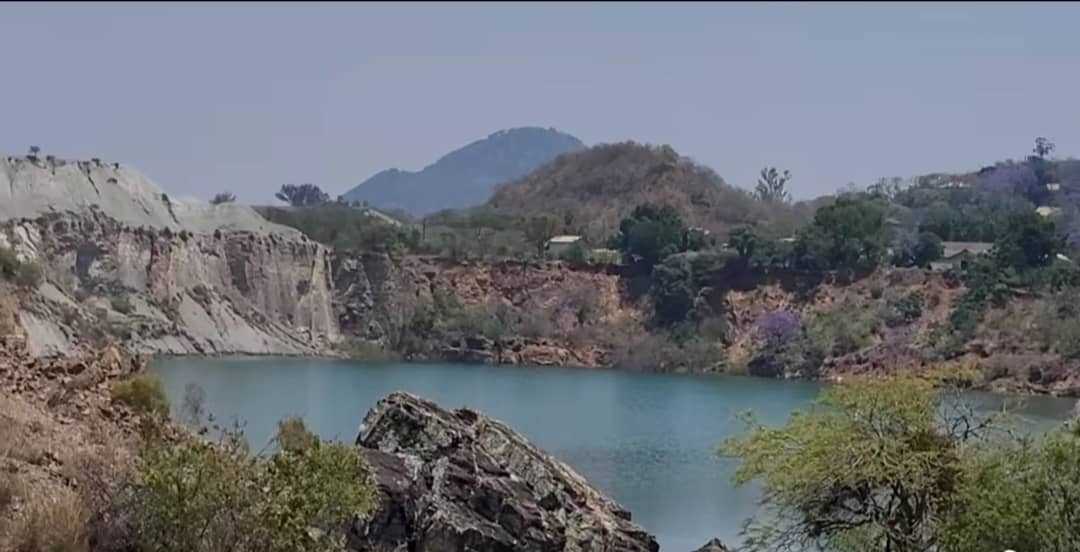
Once synonymous with Harare’s waste disposal challenges, the Pomona facility is now being repositioned as a flagship environmental infrastructure project expected to generate up to 22 megawatts of electricity while addressing longstanding landfill and pollution concerns.
Speaking after the tour, Geo Pomona Waste Management chief executive officer and executive chairman Dilesh Nguwaya said the visit signalled growing regional recognition of the project.
Related Stories
“It means that the work we are doing here at Geo Pomona is being endorsed by Southern African Presidents,” he said.
“They are appreciating the job that has been done here. As we are aware, the place used to be an eyesore.”
Nguwaya added that the transformation of the site had shifted perceptions both locally and internationally.
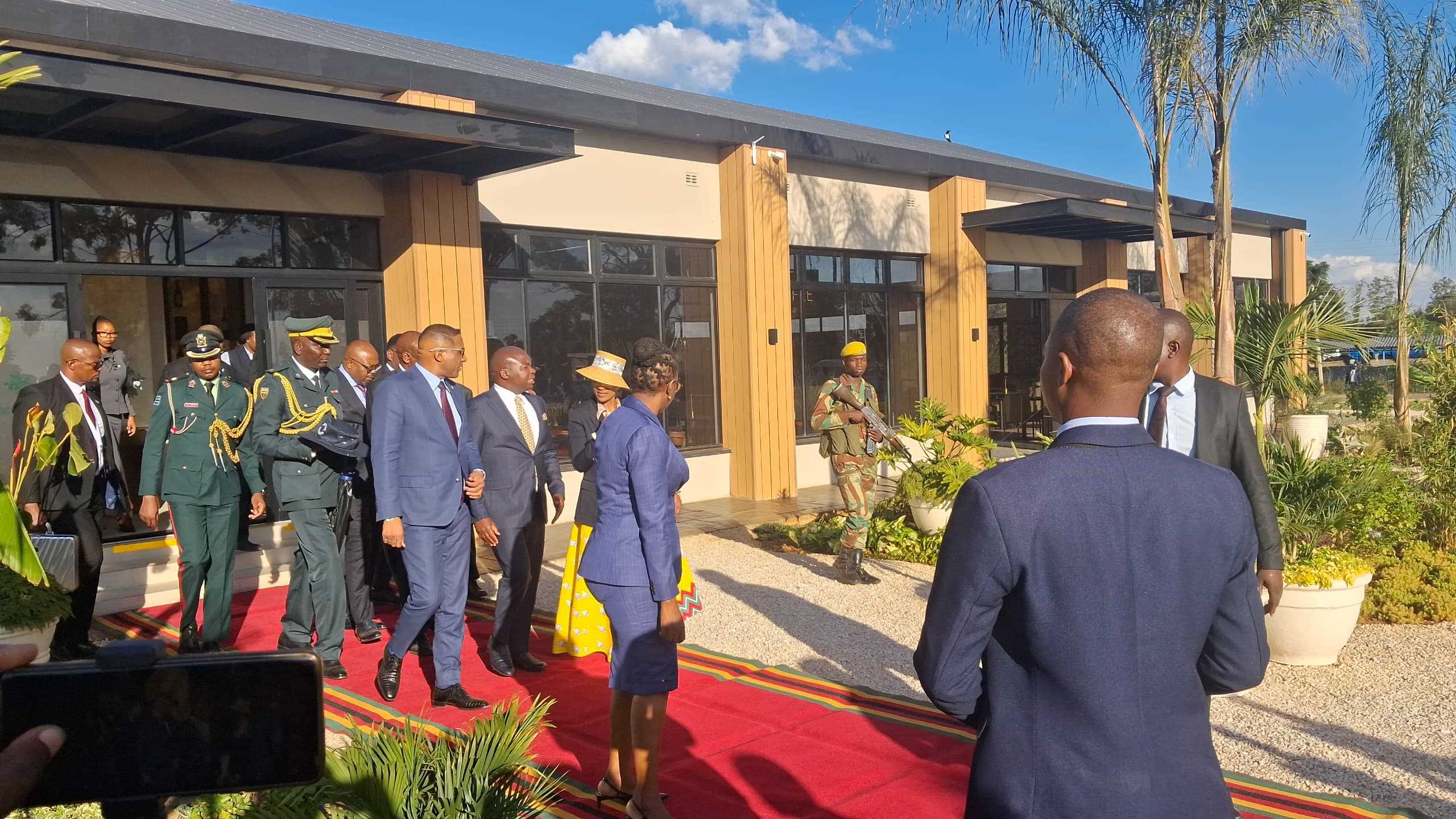
“No one wanted to live in this place. But we are seeing the transformation happening here. So, everyone is coming to appreciate it. It is now a centre of attraction at local, national and regional levels. The projects are attracting significant interest.”
The Pomona development has recently hosted delegations from government institutions, investors and international organisations, reflecting increasing regional interest in waste-to-energy solutions as African cities confront rising waste volumes, urban expansion and the need for alternative power sources.
Officials say the project represents a broader shift toward integrating environmental management with economic development, positioning waste infrastructure as a driver of sustainable urban growth and cross-border collaboration.





Leave Comments