







Zimbabwe is projecting 5 percent economic growth in 2026, underpinned by improving macroeconomic stability, stronger agricultural output, and continued reforms aimed at boosting industrial competitiveness and investment.
The outlook comes as government positions itself to leverage regional platforms and domestic policy shifts to drive growth in a volatile global environment.
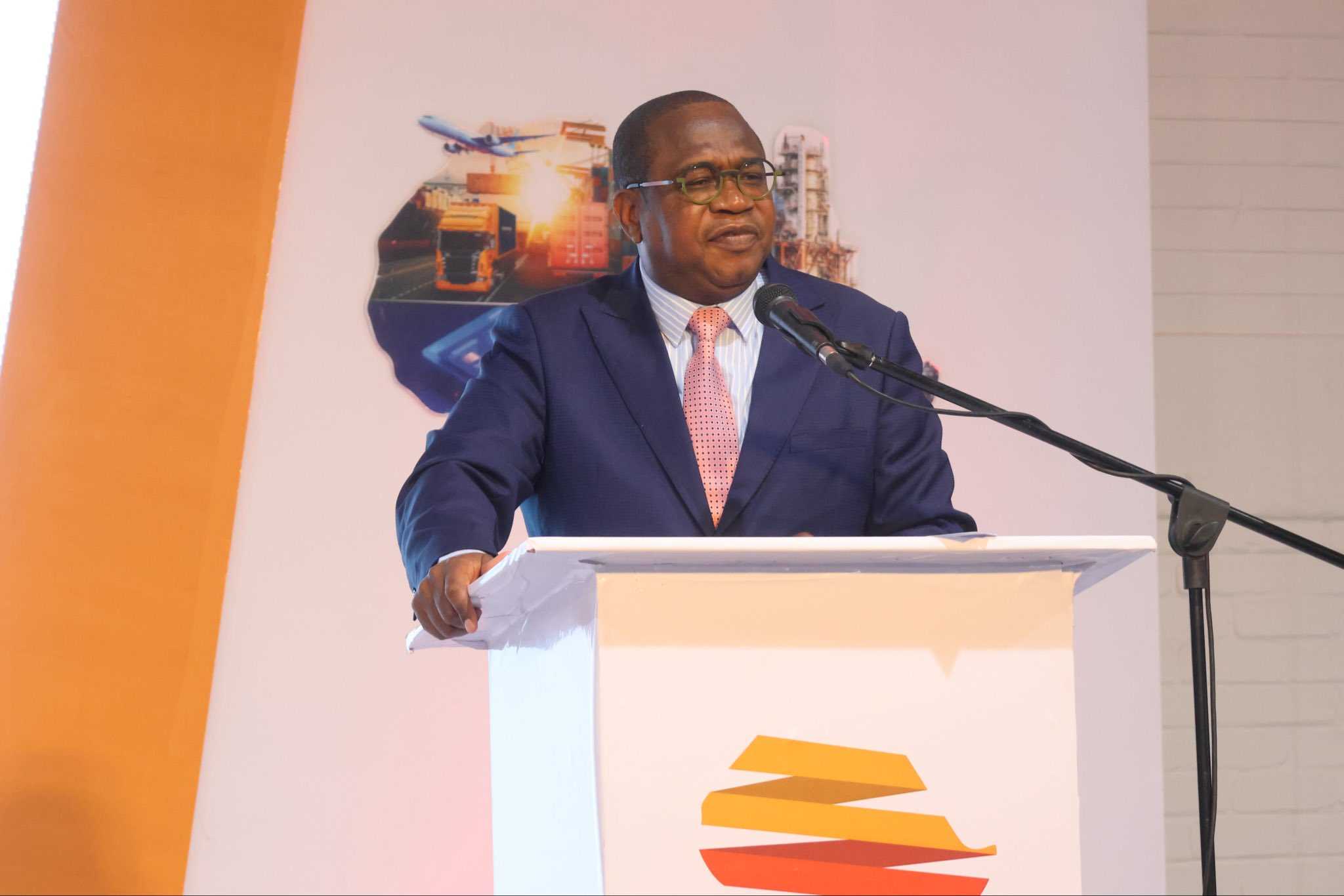
At the Connect Africa Symposium, Finance Minister Mthuli Ncube linked Zimbabwe’s trajectory to broader continental integration efforts, noting that the platform is key to “shaping policies that build connected economies and competitive industries,” while supporting investment, trade expansion, and resilience against global shocks.
The growth projection is anchored on several factors, including strong rainfall supporting agriculture, improved electricity generation, and stable mineral commodity prices. The Minister pointed to recent macroeconomic gains, highlighting “the achievement of single-digit local currency inflation for the first time in three decades,” a milestone that authorities see as critical to restoring confidence and stabilising prices.
Related Stories
Zimbabwe’s economic performance remains closely tied to its mining sector, particularly lithium and gold, as well as agriculture, where programmes such as Pfumvudza/Intwasa continue to underpin food security. However, sustaining growth will depend on maintaining currency stability and ensuring consistent energy supply, both of which have historically constrained industrial output.
To cushion industry from global supply chain disruptions, government has suspended key taxes and levies on diesel, including excise duty, the ZINARA road levy, carbon tax, and the strategic reserve levy. While this is expected to reduce operating costs for businesses, it also implies short-term revenue trade-offs for the fiscus, raising questions about sustainability if global pressures persist.
The Minister also emphasized the need to deepen structural reforms, including expanding access to affordable credit, accelerating value addition in minerals such as lithium, and diversifying trade routes and partners. These measures are intended to reduce reliance on raw commodity exports and strengthen domestic industrial capacity.
On energy security, Zimbabwe is pursuing a multi-pronged strategy that includes reducing dependence on imported fuel, advancing oil and gas exploration in Muzarabani, expanding renewable energy, and increasing strategic fuel reserves from three months to at least six months’ cover. These interventions are critical in a context where energy constraints continue to weigh on productivity and growth.








Leave Comments