








Zimbabwe’s energy sector is attracting renewed international engagement as cooperation with China gathers momentum around investments aimed at expanding electricity generation, improving energy security and supporting long-term sustainable development.
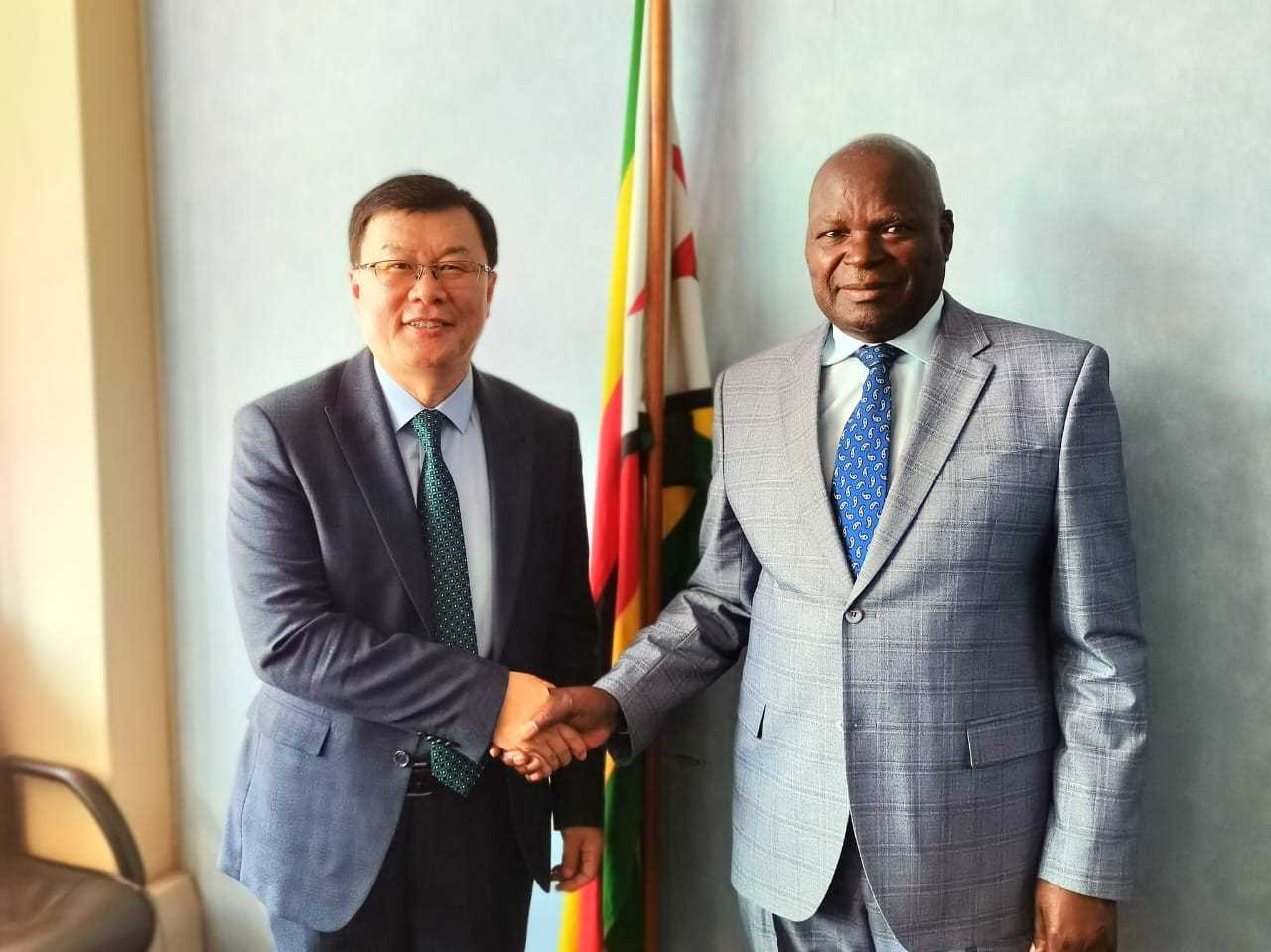
During a meeting with Energy and Power Development Minister July Moyo, Chinese Ambassador Zhou Ding reaffirmed Beijing’s commitment to deepening collaboration with Zimbabwe in the energy and power sector.
Officials said the discussions reflected a shared view that Chinese investment has become an important driver in strengthening Zimbabwe’s electricity supply while positioning the country to improve regional power connectivity across Southern Africa.
Zimbabwe continues to face rising electricity demand driven by industrial recovery, urban expansion and economic growth ambitions, creating urgency around expanding generation capacity and modernising energy infrastructure.
Related Stories
Authorities say the country possesses significant untapped energy potential across thermal, hydroelectric and renewable resources, presenting opportunities for foreign investment and technology transfer.
Particular focus during the engagement was placed on renewable energy development, especially solar power projects where Chinese companies are increasing both financial investment and technical participation. The expansion of solar capacity forms part of broader efforts to diversify Zimbabwe’s energy mix and reduce reliance on traditional power sources.
Chinese enterprises are already involved in several infrastructure initiatives designed to stabilise electricity supply, support industrial productivity and widen access to reliable power for communities and businesses.
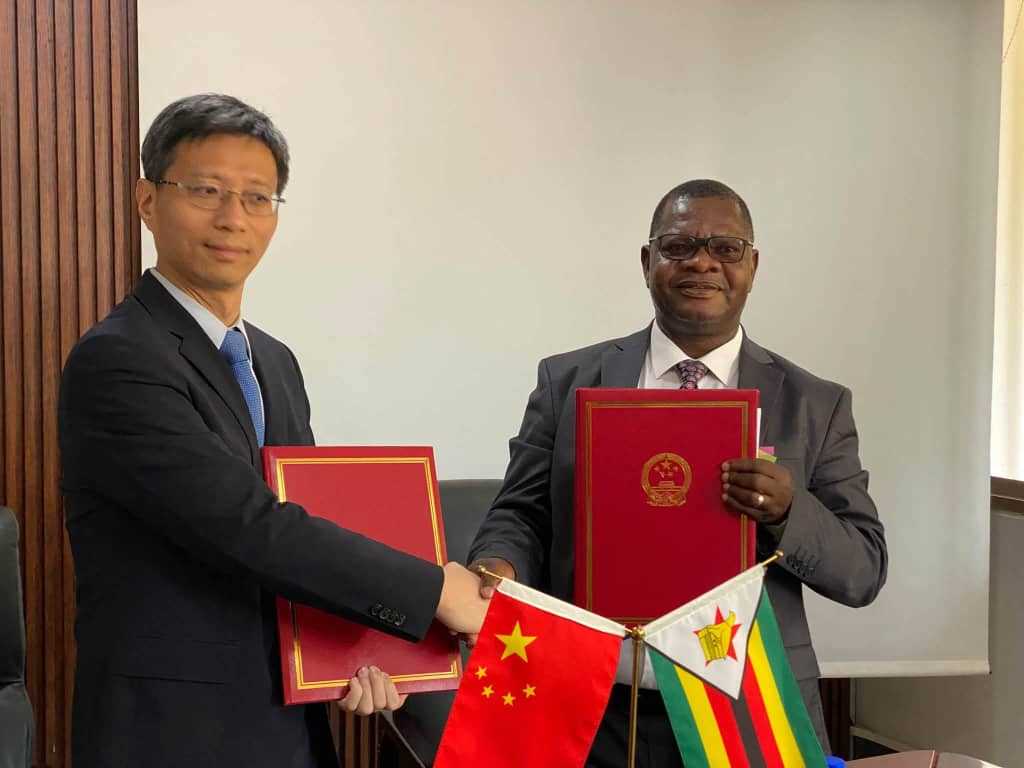
The meeting also underscored the broader strengthening of bilateral relations between Zimbabwe and China through infrastructure financing, industrial cooperation and long-term investment partnerships.
Ambassador Zhou welcomed the expanding role of Chinese companies within Zimbabwe’s evolving energy landscape, noting that continued cooperation could unlock further opportunities for energy development and regional integration.







Leave Comments