








For many Zimbabweans, the term "virtual assets" immediately brings to mind cryptocurrencies such as Bitcoin. However, industry experts say the technology has the potential to transform far more than digital currency trading, with implications for investment, financial inclusion, remittances and the broader economy.
As governments and regulators across the world work to understand and regulate the rapidly evolving sector, Zimbabwe is beginning to take its own steps towards building a framework for virtual assets and the businesses that support them.
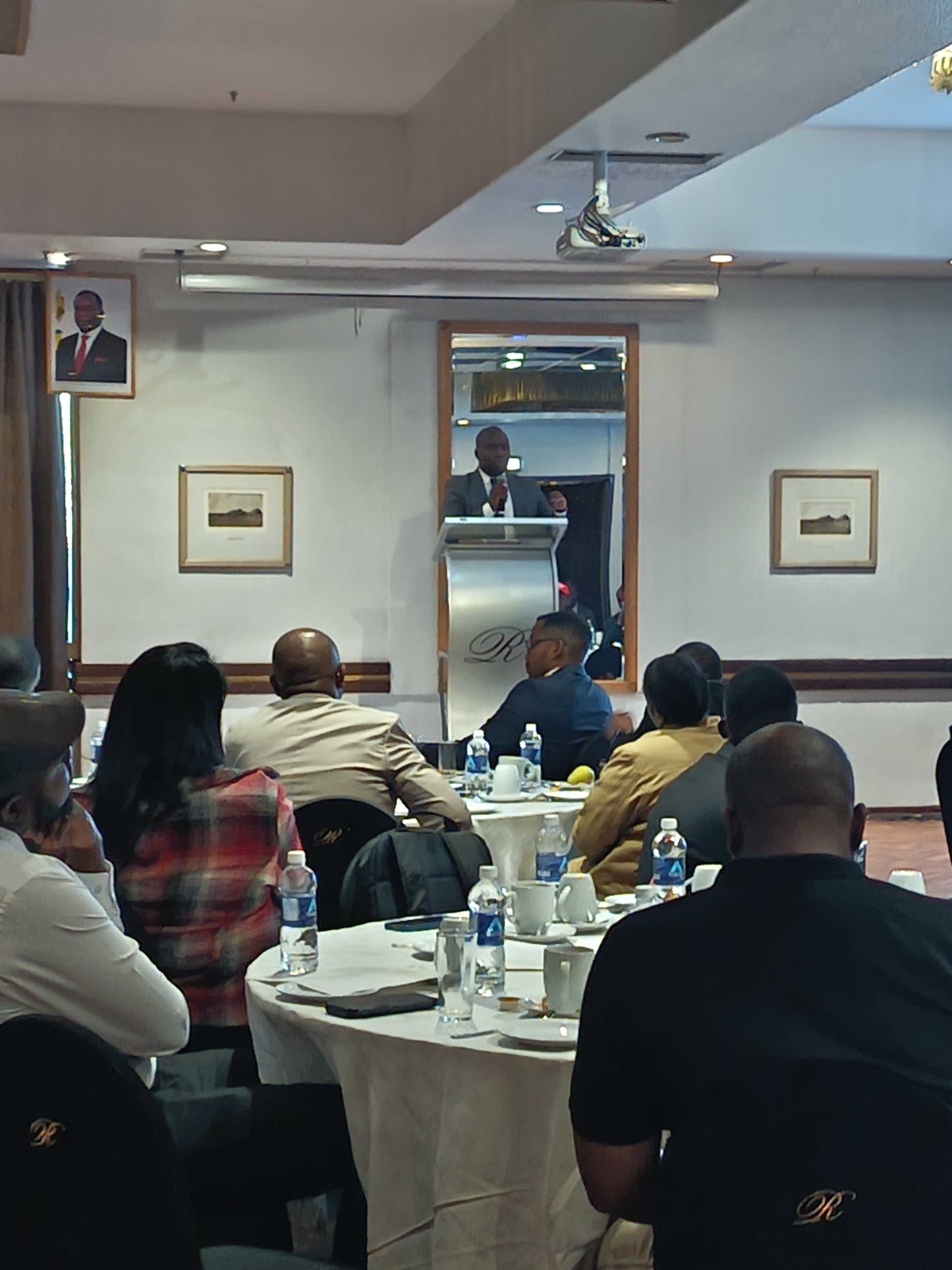
Last week, the Securities and Exchange Commission of Zimbabwe brought together regulators, industry players and technology experts to discuss virtual assets and Virtual Asset Service Providers, signalling growing interest in how the technology could fit into the country's financial landscape.
The discussions come at a time when digital transformation is reshaping financial systems globally, with blockchain technology increasingly being used for payments, investments, asset management and record keeping.
Speaking during the engagement, the SECZ Chief Executive Officer Commissioner Tichaona Mushambadope stressed that regulation should not be viewed as a barrier to innovation.
"As SECZ, we are not here to stifle innovation, but to create a workable framework that allows us to move forward with confidence and agility," he said.
He also called on stakeholders to work closely with the commission in developing regulations and compliance frameworks that balance innovation with investor protection.
For technology and business expert Jabulani Chibaya, virtual assets present an opportunity for Zimbabwe to participate in a growing global movement that is changing the way people invest, transact and access financial services.
"They make Zimbabwe part of a global movement adopting virtual assets in financial services and investments. They also help make illiquid assets liquid and improve remittances and other related innovations," said Chibaya.
In simple terms, virtual assets are digital representations of value that can be traded, transferred or stored electronically. They include cryptocurrencies, digital tokens and other blockchain-based assets.
Experts say one of the biggest advantages of virtual assets is their potential to expand access to financial services.
Zimbabwe has a large population that relies on mobile money and digital platforms for transactions. Virtual assets could potentially create new pathways for savings, investments and cross-border transactions, particularly for people who may not have access to traditional banking services.
"They allow for easy entry into the financial sector and decentralisation of finance," said Chibaya.
The technology could also improve the movement of money across borders. Zimbabwe receives millions of dollars in remittances every year from citizens living abroad. Virtual asset technologies are increasingly being explored globally as a way to make international transfers faster and cheaper.
Related Stories
However, the opportunities are accompanied by significant risks.
Around the world, regulators have raised concerns about fraud, cybercrime, money laundering and investor losses linked to poorly regulated virtual asset platforms.
Chibaya acknowledged that Zimbabwe faces similar challenges.
"Challenges right now are cyber and fraud risk and capital to grow," he said.
These concerns are among the reasons why many countries are introducing regulations for Virtual Asset Service Providers, which include digital asset exchanges, wallet providers and other businesses operating within the ecosystem.
According to Chibaya, regulation is essential for building trust and creating an environment where innovation can thrive.
"The regulation is very important. It brings order, direction and a framework," he said.
He added that clear rules would help protect both investors and customers.
"People are able to use virtual assets with assurance, trust and a clear way for investor and customer protection."
While Zimbabwe's virtual asset ecosystem remains relatively small, industry players believe momentum is beginning to build.
"We have startups that just came out of the sandbox and some others that are venturing into this space," said Chibaya.
Like many emerging technologies, virtual assets remain a developing field.
"It's still in early stages and developing. There is still a lot to be learnt and discovered. It's a developing space," he said.
For proponents of virtual assets, the discussion is no longer simply about cryptocurrency. It is about creating a modern financial system capable of supporting new forms of investment, expanding financial inclusion and positioning Zimbabwe to participate in the digital economy of the future.
"It's a way to bring more variety and ways of doing stuff that include everything. We are modernising the financial services landscape," said Chibaya.








Leave Comments