









As a wholesaler, we cannot just switch without being sure the products are safe
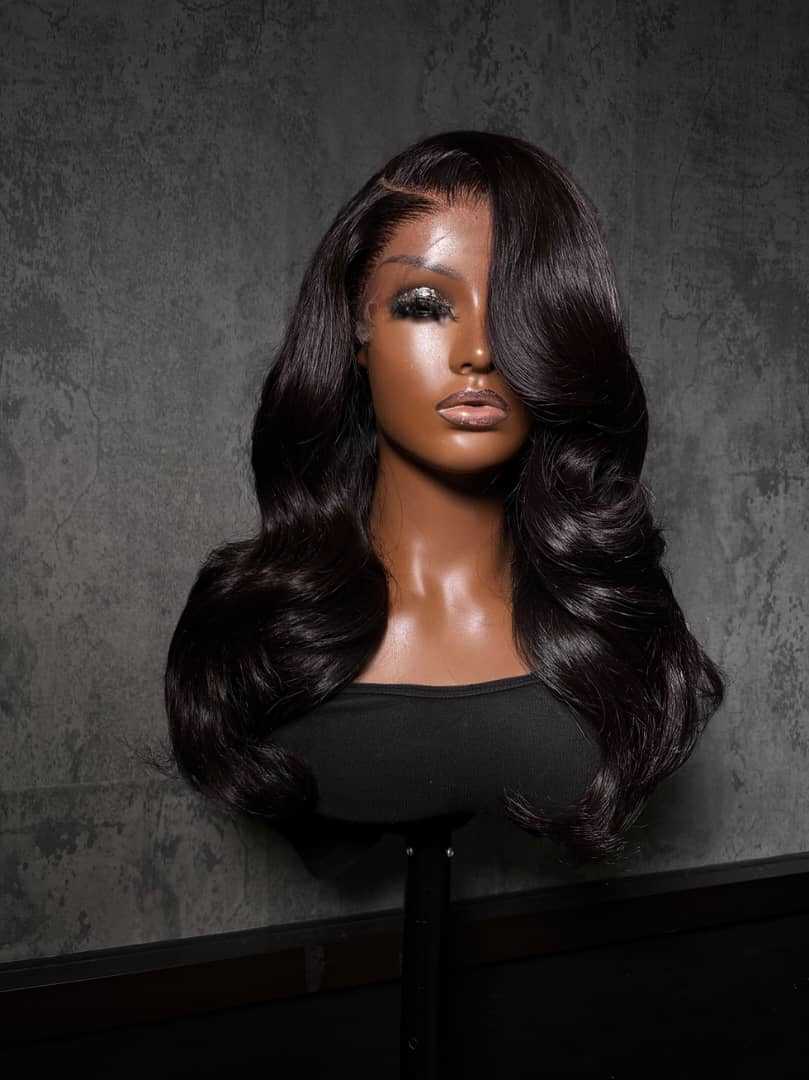
Thousands of women who rely on imported wigs, braids, eyelashes and beauty products could soon face rising costs, shrinking choices and possible shortages following Government's move to restrict the importation of selected products in a bid to promote local manufacturing and reduce the country's import bill.
The development has triggered concern across Zimbabwe's beauty industry, where salon owners, wholesalers, lash technicians and consumers say imported products remain the backbone of their businesses and daily beauty routines.
The concerns come against the backdrop of a sizable national import bill. Zimbabwe spent US$43,6 million on imported beauty make-up and skincare products, US$22 million on eyebrows and eyelashes, US$8,5 million on human hair and wigs, US$16,4 million on perfumes, deodorants and antiperspirants, US$13,6 million on petroleum jelly products, US$3,2 million on bath salts and nearly US$2 million each on sunscreen and shower gels.
In an interview with ZimNow, Daisy Muzopa, owner of Addic Wholesaler, said the restrictions would have a direct impact on businesses that depend on imported beauty products.
"To be honest, this ban is going to affect us a lot. Most of the wigs and human hair we supply are imported from countries like China and India, and we also get quality braids like French curls and Italian curls from Tanzania, Zambia and South Africa.
"So when imports are restricted, it means our stock will go down and prices will definitely go up. At the end of the day, it's the salons and customers who will feel it the most because some services will become too expensive.
"For now, we are trying to look at other options, maybe within the region, but it's not easy to find the same quality and variety."
Muzopa said while some local alternatives exist, consistency remains a major concern.
"When it comes to products like sunscreen, shower gels and bath salts, local options do exist, but consistency is a challenge. Sometimes the quality is not the same, or supply is unreliable.
"As a wholesaler, we cannot just switch without being sure the products are safe and will meet client expectations, otherwise salons risk losing customers."
She added that local industry still requires significant support before it can fully replace imported products.
"We understand what the government is trying to do by protecting foreign currency and promoting local industry, but the reality is that local production is not yet at that level.
"If this is to work, there needs to be serious investment in local manufacturing, better quality control, and support for businesses to transition. Without that, it will be difficult for both suppliers and salons to sustain their businesses."
For beauty professionals whose livelihoods depend on imported products, the uncertainty is already causing anxiety.
Lash and nail technician Thelma Matanhire said Zimbabwe currently has no manufacturers producing the lash products demanded by clients.
"As a lash and nail technician, this ban will hit us hard. Zimbabwe doesn't have any lash manufacturers, so we rely almost entirely on imports, mainly from China, for the consistent quality clients expect.
"If those supplies are restricted, we'll struggle to maintain looks and longevity, costs will rise, and many clients may cut back on appointments.
"Nail products face the same problem: fewer choices, possible drops in quality, and unreliable supply chains all threaten our income and reputation unless there's rapid, practical support to source good alternatives."
Consumers themselves fear they could be left with fewer choices and higher prices.
Related Stories
Nettie Zhuwao said imported wigs and braids have become part of everyday grooming for many women.
"As someone who uses wigs and braids for my everyday style, this ban makes me anxious.
"I buy most of my wigs and good-quality braids from China, Tanzania, Zambia and South Africa because there aren't reliable local makers that give the same look and hold.
"If imports become scarce or more expensive, I'll either have to settle for cheaper, lower-quality pieces or stop getting my hair done as often neither is ideal because my hair is part of how I present myself and feel confident."
She urged authorities to ensure local alternatives meet market expectations.
"I'd ask the government to make sure any push for local products comes with real support for quality, availability and fair prices, otherwise everyday people like me will lose choice and end up paying more."
A beauty supplier operating from Avenue Salon in Harare said many salons depend almost entirely on imported products sourced from countries such as China and India.
"The ban will negatively affect us who depend on selling such products because most of the commodities are imported from different countries such as India and China.
"If such happens it means that we won't have anything to sell and most salons and shops will definitely close because they depend on that."
She said local manufacturers must strengthen product quality, branding and marketing if they are to compete effectively.
"The local producers must market their brands well so that it reaches many people and also use good packaging which is presentable.
"The issue that influences the importation of international products is because of unemployment among youths. They end up travelling to other countries to buy and start selling at home to make ends meet. It is better than killing and stealing from people."
She pointed to products such as Vimbai bathing soap as examples of local brands that struggle to gain visibility despite being available on the market.
"We have local products such as Vimbai bathing soap but they are not well marketed unlike Oh So Heavenly and Satiskin from South Africa.
"The government should market and do awareness campaigns in support of local products because few people know about them.
"Rather than banning beauty products, the government should do a parallel manufacturing production where they use both local and international commodities and should mainly promote their local products."
Supporting the policy direction, economist Davison Gomo has argued that strengthening domestic production remains essential for long-term industrial growth.
"If local industry cannot adequately supply the market, you create opportunities for illegal trade and corruption.
"In the end, the Government finds itself competing against an invisible force driven by corruption."
He said local content policies are internationally recognised tools for supporting domestic industries.
"The objective is to build a functioning manufacturing sector that can absorb young people coming out of colleges and universities and create products that can compete in local, regional and international markets.”










Leave Comments