








Zimbabwe's latest attempt to overhaul urban public transport is being presented as a break from the past.
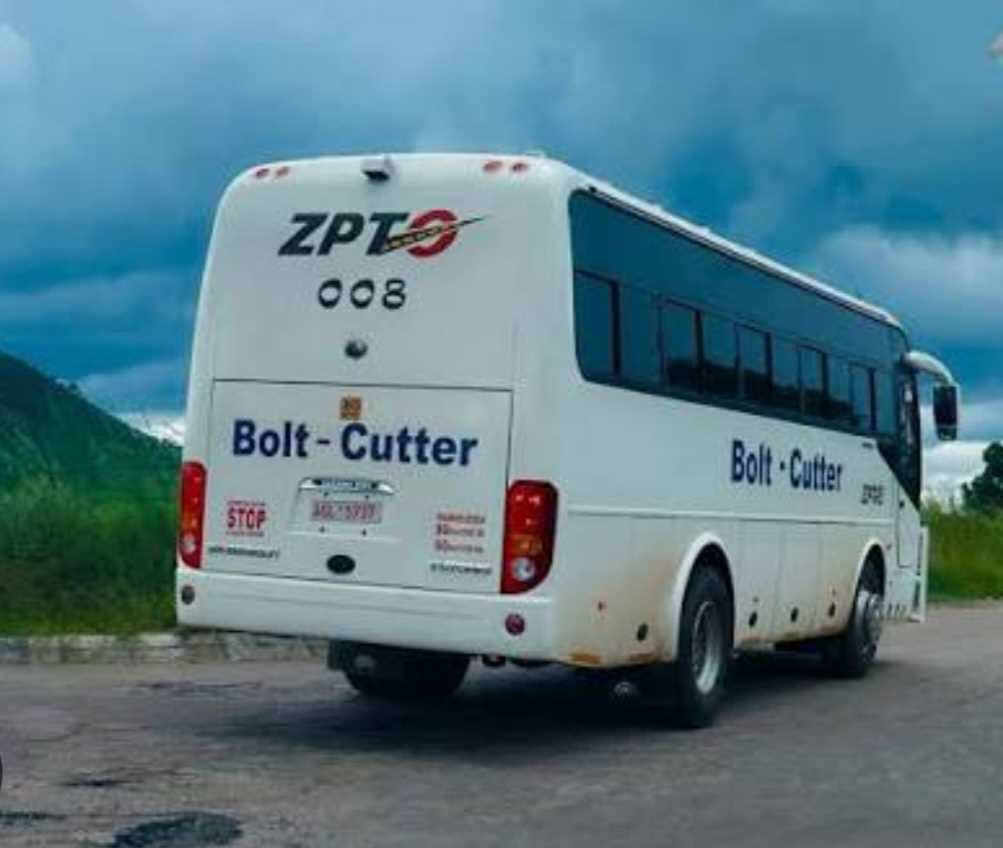
Government plans to introduce a new fleet of urban passenger buses under the Zimbabwe Passenger Transport Organisation, a private sector-backed consortium that authorities hope will eventually replace commuter omnibuses and restore order to increasingly congested cities.
Unlike previous interventions centred on the state-owned Zimbabwe United Passenger Company, the new model places private operators at the centre of urban mass transit. Yet the announcement immediately raises a question that has haunted transport reforms for more than two decades: can Zimbabwe finally build a reliable urban transport system capable of replacing kombis, or is it once again underestimating the scale of the challenge?
The answer matters because urban transport in Zimbabwe is no longer merely a mobility issue. It is an economic ecosystem supporting thousands of livelihoods while moving millions of passengers every week.
For many commuters, memories of previous promises remain fresh.
Since 2019, government has imported hundreds of buses under various transport revival programmes. However, maintenance challenges, spare parts shortages, operational inefficiencies and fare subsidies prevented the fleet from providing a sustainable alternative to commuter omnibuses.
The COVID-19-era ZUPCO franchising model faced similar problems.
Independent operators who joined the programme frequently complained about delayed payments, while commuters often endured long queues as available buses struggled to meet demand.
The result was predictable. Kombis and mushikashika operators quickly re-established dominance once restrictions eased.
This time, authorities are betting that private capital and private management can achieve what state-led interventions could not.
Speaking recently, ZPTO chairman Samson Nhanhanga confirmed that the consortium was preparing a significant fleet expansion.
"The first batch of 200 buses has departed China. We expect them very soon, and we have also 500 buses which are still under production," Nhanhanga said.
"Since the past period, we have concentrated on intercity buses and rural buses, and there is now a big shortage of transport in urban centres, especially Harare, Bulawayo, Mutare and Masvingo."
Nhanhanga argues that formalising urban transport will address some of the structural problems that have plagued the sector for years.
"Currently, we are struggling with touts who charge us 10 percent and do not pay tax because there is no order," he said.
"You will find two buses going the same route loading at the same time."
The comments reflect growing frustration among formal operators over a transport system increasingly characterised by informality.
According to transport industry figures, Harare has approximately 16,000 commuter omnibuses operating daily, yet only about 5,500 are formally registered. Thousands of pirate taxis and mushikashika operators have further complicated regulation efforts.
For city authorities, the consequences are visible every day. Congestion has worsened, illegal pick-up points have proliferated and road safety concerns have increased.
Harare City Council has already proposed phasing out kombis by 2028 as part of a broader transport modernisation strategy. Nearly half of Harare's residents currently depend on kombis, buses and pirate taxis for daily travel.
Yet transport experts caution that removing kombis is easier to announce than implement.
The fundamental reason kombis became dominant was not weak regulation but demand.
As cities expanded rapidly over the past two decades, formal public transport failed to keep pace. Kombis filled the gap because they offered flexibility that large buses often cannot.
They navigate narrow roads in high-density suburbs, adjust routes according to passenger demand and provide the last-mile connectivity that formal bus systems frequently struggle to deliver.
The challenge facing ZPTO is therefore not simply deploying buses. It is replacing an entire transport ecosystem.
That ecosystem extends beyond vehicle owners.
Related Stories
It includes drivers, conductors, mechanics, rank marshals, fuel suppliers, spare-parts dealers and informal traders operating around ranks and termini. Any attempt to dismantle it without creating alternative economic opportunities risks generating significant social and economic disruption.
Commuters themselves remain divided.
Many support stricter regulation because of safety concerns.
The Zimbabwe Union of Drivers and Conductors recently called for stronger regulation and modern monitoring systems to improve safety standards.
"We need to move away from the mushikashika style of enforcement and implement systems that monitor behaviour in real time. Without proper regulation, illegal operators will continue to put lives at risk," said union spokesperson Reason Dombo Ajida.
Road safety has become a growing concern.
Transport associations estimate that thousands of unregistered vehicles are operating in Harare, while reckless driving remains a frequent complaint among commuters and motorists.
But commuters also fear a repeat of previous transport shortages.
Recent police crackdowns on kombis and mushikashika operators have often resulted in longer queues and fare increases as transport supply falls below demand. Earlier this year, commuters reported paying as much as USD$2 for trips that previously cost USD$1 due to shortages and enforcement operations.
The key question is whether ZPTO can deploy enough buses to meet demand.
Even with the proposed 700 buses announced by Nhanhanga, analysts note that urban transport demand in Harare alone requires thousands of daily vehicle movements.
Without dedicated bus lanes, improved road infrastructure and modern termini, simply adding buses may not resolve congestion.
Regional experience offers useful lessons.
In South Africa, the introduction of Bus Rapid Transit systems in cities such as Johannesburg and Cape Town succeeded only after governments invested heavily in dedicated lanes, modern stations and negotiated compensation agreements with taxi operators.
Tanzania's Dar es Salaam BRT system similarly required major infrastructure investment before buses could effectively compete with informal transport operators.
Bulawayo's transport system has often been cited by operators as an example of better organisation and stronger route management than Harare's fragmented model.
Harare commuter associations have repeatedly called for elements of the Bulawayo framework to be replicated in the capital.
The lesson from across the region is consistent: buses alone do not create efficient public transport systems.
Infrastructure, regulation, route planning and integration matter just as much.
For ZPTO, success will ultimately depend on whether it can deliver reliable, affordable and frequent services without relying on the subsidies that crippled previous state-led interventions.
The consortium's private ownership structure may provide advantages in maintenance, fleet management and operational discipline. Led by operators such as Nhanhanga of CAG Express and Robert Mukumba of Inter Africa, ZPTO brings together some of Zimbabwe's largest transport businesses with decades of operational experience.
However, private operators also face commercial realities.
Profit-driven companies may prioritise high-volume routes while neglecting less profitable communities unless regulatory frameworks require universal service obligations.
That leaves policymakers confronting a delicate balancing act.










Leave Comments