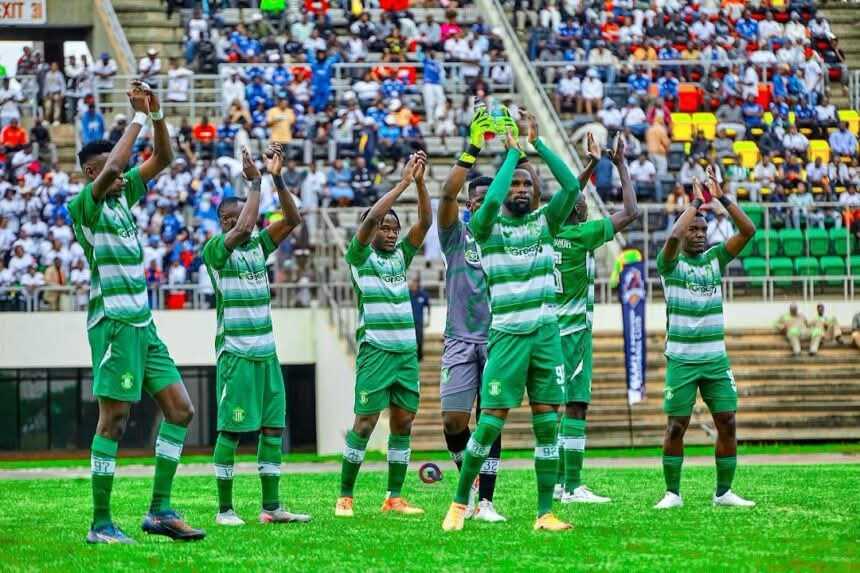





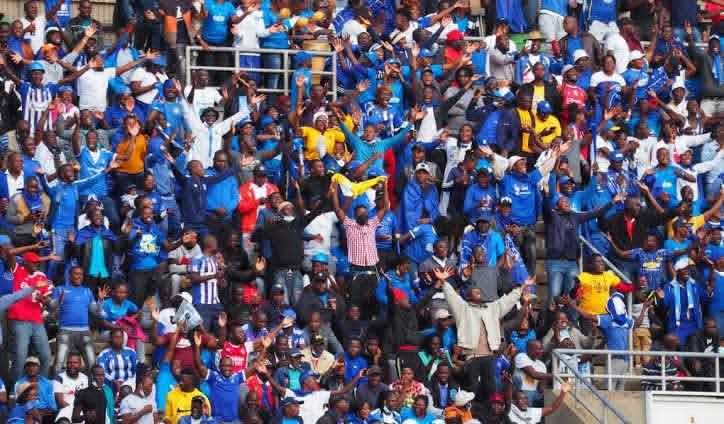
When Dynamos Football Club travels, it carries more than a squad of players. It carries the hopes of vendors, stadium operators, transporters, host clubs and thousands of football supporters whose spending fuels local economies across Zimbabwe.
For decades, the Harare giants have been the country's biggest football attraction, drawing crowds that few clubs can match. In football circles, the phenomenon has earned a name of its own — the Dembare effect.
The impact was particularly visible during the 2025 Castle Lager Premier Soccer League season. As Dynamos struggled on the pitch, attendances across the league declined. Empty seats became a common sight, even at some of the country's traditional marquee fixtures.
Caps United president Farai Jere believes the connection between Dynamos' fortunes and the league's health is undeniable.
"When Dynamos is not performing well, the whole league is affected," he said.
The 2026 season has offered a different picture. Supporters have returned in large numbers, generating significant gate revenues for clubs and stadium operators. Rufaro Stadium was packed with an estimated 25,000 spectators for the latest Harare Derby between Dynamos and Caps United.
Away from Harare, the club's influence appears even more pronounced.
When newly promoted Hardrock hosted Dynamos at Chahwanda Stadium, the 15,000-capacity venue reached full capacity, with some supporters reportedly failing to gain entry. Similar scenes have been witnessed at several venues across the country as fans travel long distances to watch the Glamour Boys.
The benefits extend far beyond football.
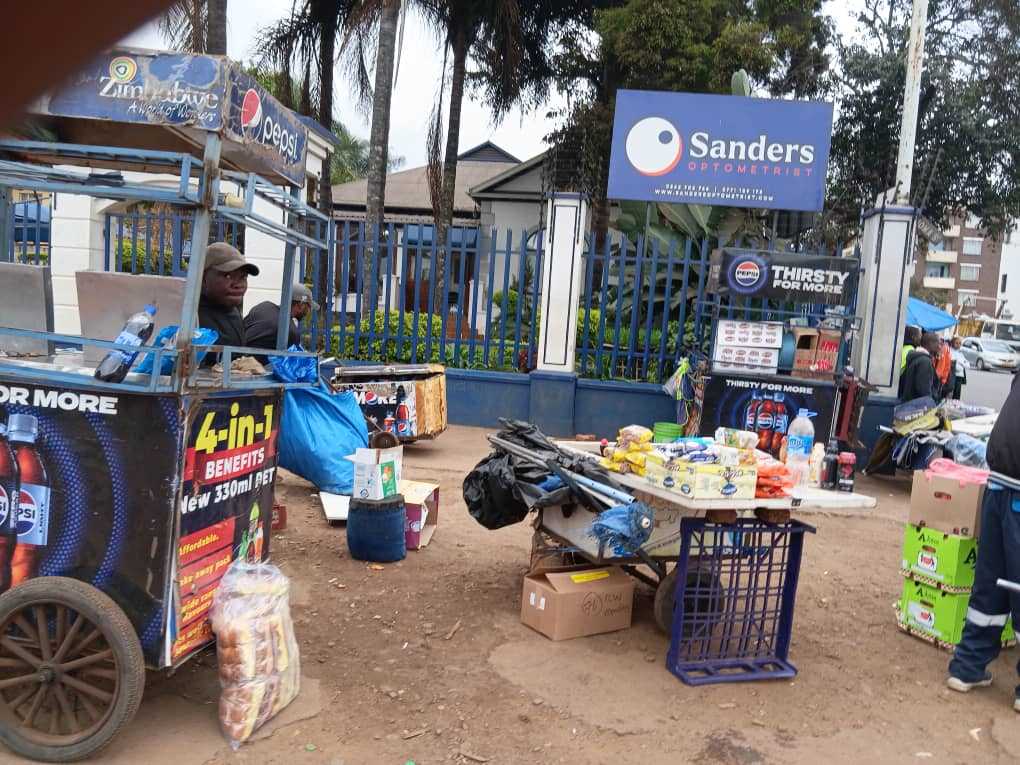
For informal traders, a Dynamos fixture often represents one of the most profitable business opportunities of the season. Vendors selling food, drinks, team regalia and accessories routinely report higher sales whenever the club visits their towns.
Related Stories
"At Mutare we call it the Dembare effect," said one vendor. "People come out in large numbers regardless of the team's form. Business is always good when Dynamos comes."
Host clubs are among the biggest beneficiaries.
Hardrock communications officer Bruce Chikuni said Dynamos' popularity translates directly into improved revenues for clubs that host them.
"Dynamos is the most supported team in Zimbabwe because of its history and success. Every club benefits when they host Dynamos," he said.
Dynamos Supporters Association president Adomski Mukwasi argues that the club's attraction lies in decades of history that newer teams cannot easily replicate.
"You can have money and be organised, but what Dynamos does for Zimbabwean football cannot be created overnight," he said.
Former Dynamos, Caps United and Highlanders star Stewart Murisa believes the club's appeal transcends generations.
"When Dynamos play, supporters and players do not need motivation. The history of the club motivates people on its own," he said.
Perhaps the most remarkable aspect of the Dembare effect is that it is largely self-sustaining. Unlike some clubs that organise transport and subsidise attendance, Dynamos supporters often fund their own travel and match-day expenses. In doing so, they inject money into local businesses, hotels, restaurants, transport operators and vendors wherever the team plays.
As Zimbabwean football seeks greater commercial viability, the lesson is becoming increasingly clear. While new investors and ambitious clubs continue to reshape the domestic game, Dynamos remains the league's biggest crowd-puller and one of its most important economic drivers.
For many communities, a Dynamos visit is more than a football match. It is a business opportunity, a social event and, increasingly, a reminder that football remains one of Zimbabwe's most powerful economic and cultural forces.





Leave Comments