






Zimbabwe's budget-making process is moving beyond boardrooms and parliamentary committee hearings, with Treasury and the Reserve Bank of Zimbabwe taking public finance discussions directly to rural communities in what officials describe as the country's first National Budget Education and Consultation Outreach Programme.
The initiative, which began in Chivi District in Masvingo Province, seeks to bring ordinary citizens into the centre of budget formulation at a time when government is under increasing pressure to ensure public spending responds to local development priorities and delivers measurable economic outcomes.
Finance Ministry officials say the programme is intended to deepen transparency, accountability and citizen participation in the preparation of the 2027 National Budget, while improving public understanding of how national resources are allocated.
The outreach comes as Treasury simultaneously gathers submissions for the 2026 Mid-Term Budget Review and the 2027 Budget Strategy Paper, a document that sets expenditure priorities, revenue mobilisation strategies and the overall fiscal direction of government. Treasury has described the BSP as "a foundational document that guides the preparation of 2027 National Budgets" and provides "a platform for public consultation" on national priorities.
In Chivi, residents reportedly highlighted issues ranging from digital infrastructure for rural schools and climate resilience programmes to road rehabilitation, vocational training centres and village business units, reflecting the growing demand for budgets that directly address local economic challenges.
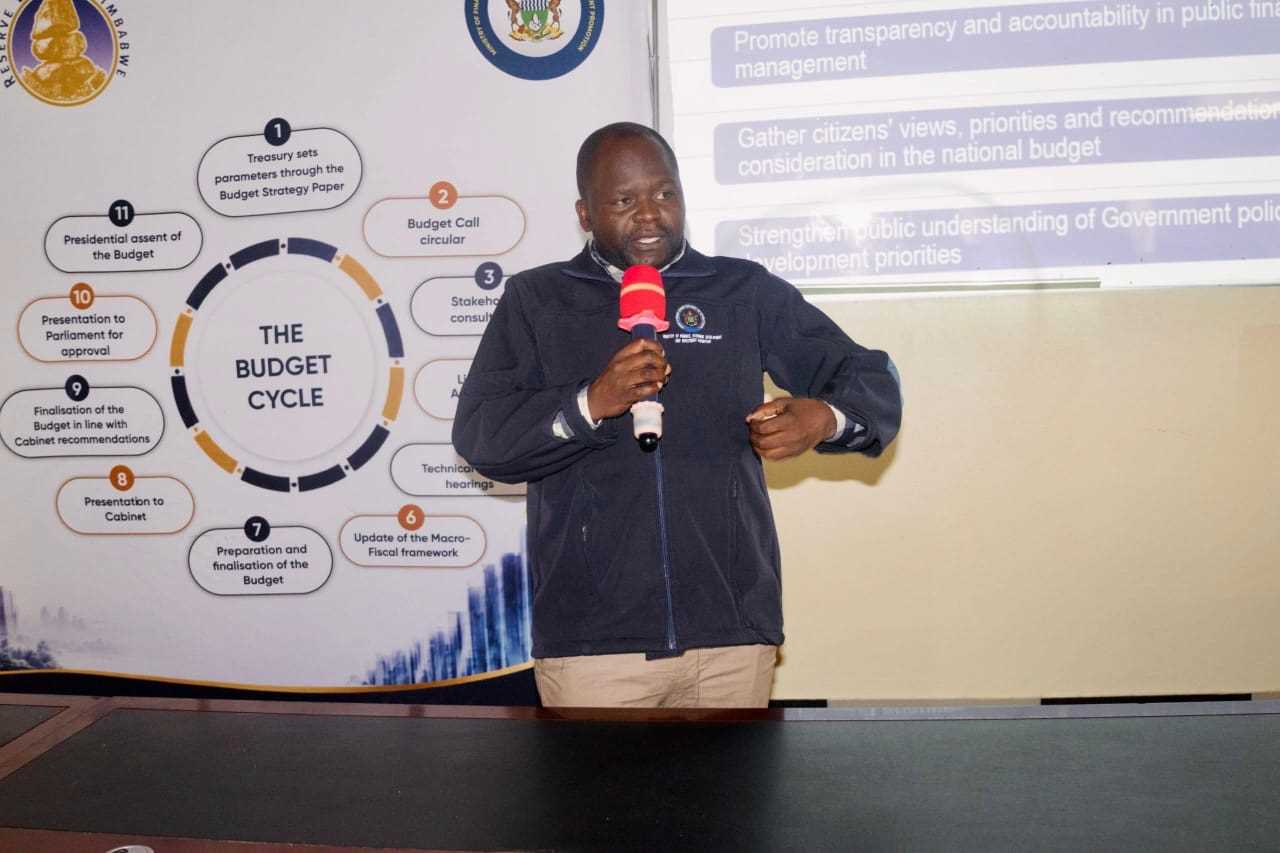
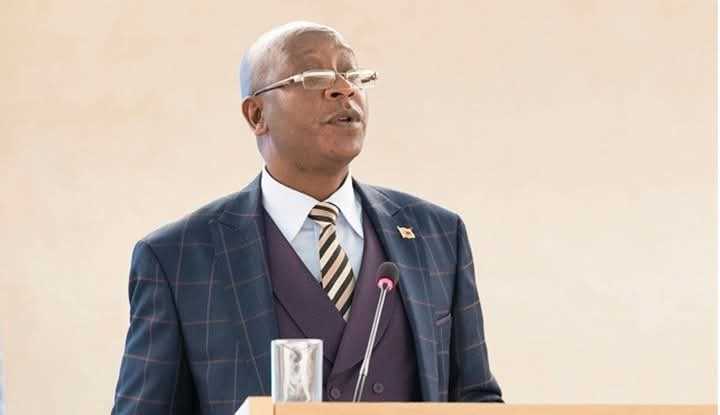
Parliament's Budget Office Director, Tapiwa Gumbo, used the platform to explain the legislature's role in overseeing public finances.
"Parliament of Zimbabwe's oversight role in the national budgeting process" is to ensure that public resources are allocated to national priorities through scrutiny, debate and approval of the annual budget, while promoting transparency, accountability and prudent financial management, he said.
He added that effective parliamentary oversight strengthens democratic governance by holding the Executive accountable and ensuring public funds deliver tangible benefits to citizens.
The consultations represent a significant shift from traditional budget engagement processes that have often been criticised for being dominated by business groups, economists, development partners and urban stakeholders.
Analysts say the real test will not be whether communities are consulted, but whether their priorities ultimately appear in the final budget.
Economic analyst Alice Chikonzi recently argued that broad consultations improve fiscal governance because "budgets affect every sector of the economy, so businesses, labour, industry bodies and ordinary citizens must participate in shaping the priorities that will guide resource allocation." She added that such engagements "enhance transparency and accountability in public finance management."
Business strategist Busani Malaba has also stressed the importance of ensuring citizen input is reflected in policy outcomes.
Related Stories
"We expect the consultation process to be broad-based and inclusive, with stakeholders given adequate opportunity to present their recommendations. Such engagement improves policy predictability and promotes ownership of national development programmes by all economic players," he said.
The significance of the outreach programme lies not only in the consultation itself but in Zimbabwe's broader fiscal context.
The 2026 National Budget was crafted against a backdrop of projected economic growth, infrastructure expansion, climate adaptation requirements and increasing demands for social spending. Yet like many developing economies, Zimbabwe faces the challenge of balancing finite resources against competing priorities in health, education, agriculture, infrastructure and social protection.
Public participation in budgeting is also a constitutional principle.
Budget consultations have traditionally been conducted through parliamentary hearings across provinces, but attendance has often been limited and public awareness relatively low.
Previous consultations for national budgets have sought citizen views on spending priorities, taxation and service delivery, but critics have questioned whether communities see their recommendations reflected in final appropriations.
The new outreach programme appears designed to address that gap by combining budget literacy with consultations, potentially enabling citizens to engage more meaningfully with often complex fiscal processes.
The challenge, however, will be translating community aspirations into budget allocations.
Rural communities frequently prioritise roads, irrigation infrastructure, schools, health facilities and agricultural support, while urban stakeholders often focus on industrial competitiveness, taxation, public transport and employment creation. Treasury must reconcile these competing demands within available fiscal space.
Parliament itself describes its mandate as protecting the Constitution, representing citizens and holding the Executive accountable, while its Budget Office provides independent analysis of budget proposals to strengthen oversight and ensure national resources are deployed effectively.
For government, the outreach programme offers an opportunity to strengthen public confidence in fiscal management and demonstrate that budgeting is not merely a technocratic exercise conducted in Harare.
For citizens, it presents a rare chance to influence how billions of dollars in public resources are prioritised and spent.





Leave Comments