



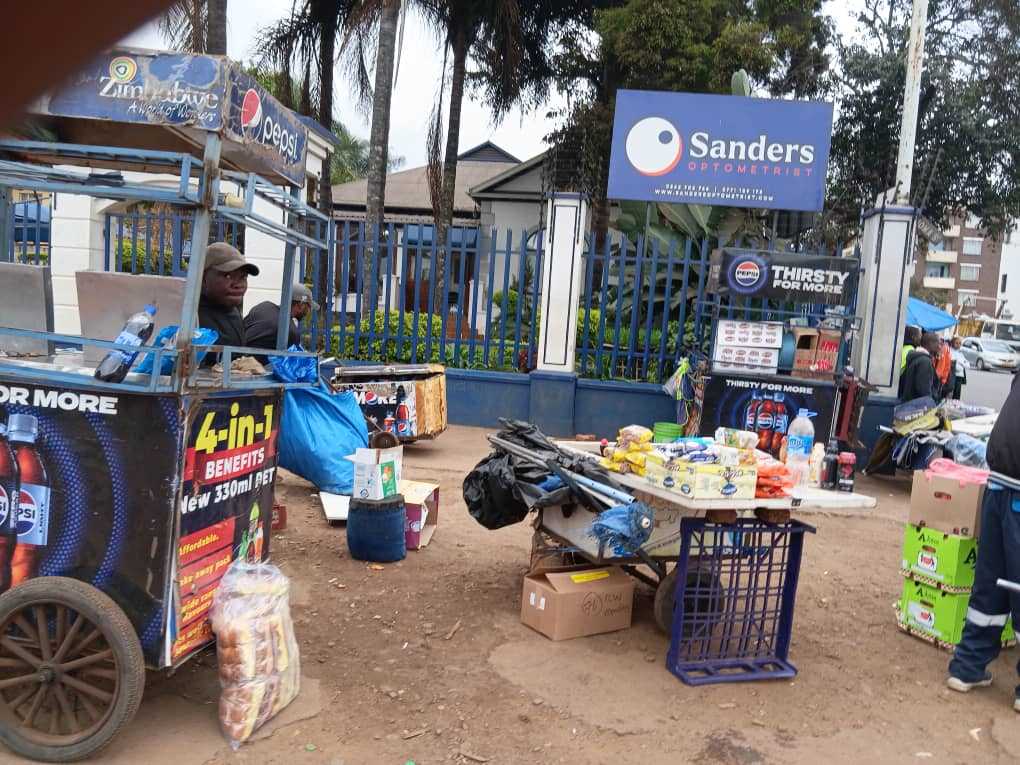





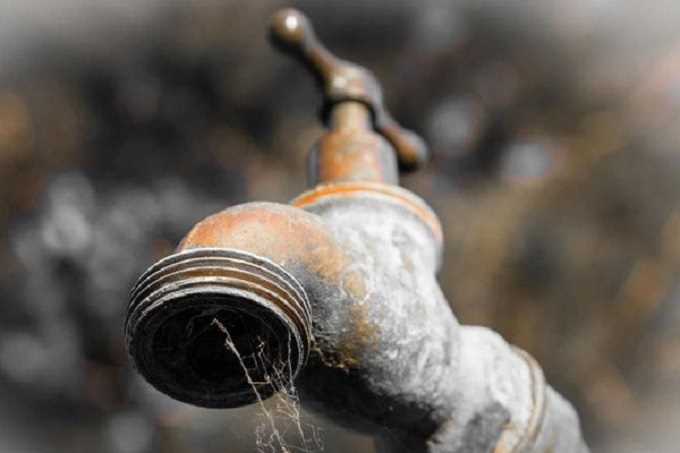
For thousands of households across Harare Metropolitan Province, access to clean running water has become increasingly unreliable, forcing families to spend between US$10 and US$20 a week buying water while continuing to pay council rates and water charges.
Residents from Chitungwiza, Highfield, Mabvuku, Epworth, Norton, and other suburbs say erratic supplies, ageing infrastructure, and recurring sewer bursts have turned what should be a basic public service into a daily struggle, raising concerns over public health and accountability.
In Chitungwiza, where nearly half a million residents depend on Harare for treated water, shortages have become part of everyday life.
Chitungwiza Residents Trust director Alice Kuvheya said the town has endured years of unreliable supplies because it does not have its own water source.
"Water shortages have been a serious issue in Chitungwiza for years. We are almost half a million residents, yet we do not have our own source of water," she said.
She said many households receive water only once a week, while some neighbourhoods have gone years without reliable supplies.
"We rely on public boreholes. The water is often dirty, so we use it only for washing clothes and flushing toilets. We do not drink it. We buy water every day, and the shortage has contributed to cholera and diarrhoea outbreaks."
Kuvheya said women and children bear the greatest burden.
"Women wake up before dawn and often face abuse while queuing for water. Children wake up at 2 a.m. to secure a place in the queue before going to school tired."
In neighboring St Mary's, residents say the situation is little different.
Residents' association member Teclah Bomba said some households receive tap water for only two days in an entire month, while others receive none because ageing pipes are blocked.
"A family of five spends between US$16 and US$20 every week buying water. We need a permanent solution. Chitungwiza needs its own water source through the Muda Dam project instead of depending on Harare."
Another St Mary's resident said municipal water flows for only two or three days every fortnight.
"For the rest of the time, we rely on community boreholes. Some of those boreholes have contaminated water, and in some cases the water is mixed with sewage. It becomes difficult to know which water sources are safe."
The same frustrations are being echoed across Harare.
Highfield resident Tanatswa Maradzike said council water arrives only two or three times a week and often late at night, when pressure improves.
Related Stories
"We spend between US$10 and US$20 every week buying water from vendors. We keep paying rates and water bills, but the supply remains erratic and there are constant pipe bursts. People want more transparency on where the money is going."
She said most boreholes and wells used by residents are not routinely tested, leaving many families to rely on purification tablets or boiling water.
In Epworth, resident Melord Maripita said there is no municipal water at all.
"We cannot even afford to buy water, so we depend on any available free sources. We don't have reliable boreholes either. The lack of clean water makes it difficult to maintain hygiene and increases the risk of disease."
Residents in Mabvuku said water usually comes only once or twice a week, mainly on Sundays and Mondays, while households contribute US$2 every month to maintain community solar-powered boreholes.
In Norton, resident Munyaradzi Mangedze said municipal water is available only about three days a week.
"Sometimes the council supplies dirty water, so families still spend about US$15 every month on alternative sources."
Community Working Group on Health executive director Itai Rusike warned that deteriorating water and sanitation services are now directly affecting public health.
"Environmental conditions underlie many of the common health problems in Harare. Access to safe water, sanitation, and hygienic waste disposal is fundamental for health," he said.
Rusike said unreliable supplies continue to push residents toward unsafe water sources, increasing the risk of cholera, typhoid, diarrhoea, childhood pneumonia, and skin diseases.
Responding to the concerns, Harare City Council spokesperson Stanley Gama said limited treated water meant authorities had to ration supplies.
"Due to limited supplies, we distribute the available water to as many households as possible. We try to make sure each area receives water at least two days per week."
He said ongoing repairs at Morton Jaffray Water Works, the replacement of ageing pipes, and the installation of prepaid smart water meters would improve supplies.
However, Harare Residents' Trust director Precious Shumba said prepaid meters would not solve the crisis.
"The prepaid water meters do not increase water availability or improve water quality. The priority should be rehabilitating the water distribution network and replacing ageing water and sewer pipes."
Shumba said Chitungwiza, Epworth, Ruwa, Norton, and Inkomo Barracks continue to depend on Harare because they have no independent water sources.
Recent findings by the Harare Residents' Trust show recurring sewer bursts in Glen Norah, Mbare, Kuwadzana, Rugare, Glen View, Sunningdale, Budiriro, Dzivarasekwa, Tafara and St Mary's in Chitungwiza, while residents in several suburbs reported going days, weeks and, in some cases, months without municipal water.








Leave Comments