







The easy win
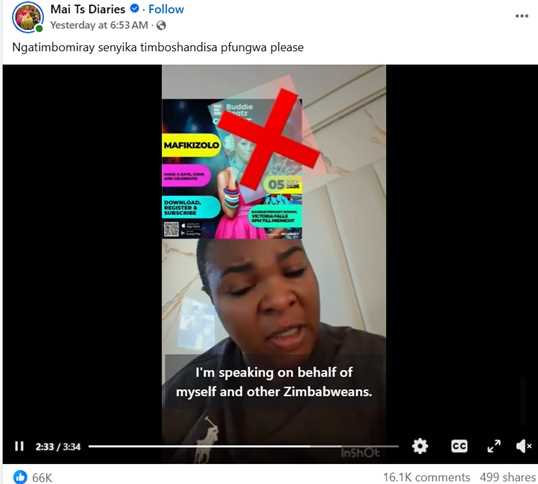
Social media personality Mai TT is riding high at the moment. When she joined the anger against Econet for insisting on bringing South African group Mafikizolo for a show at a time when Zimbabweans were being hounded out of South Africa, she won undiluted support.
Her video protest drew huge engagement within hours and the comments were unforgiving. Econet buckled and Mafikizolo was dropped.
Zimbabweans have been celebrating and, riding on the wave, Mai TT has now moved to demanding that Alick Macheso cancels his show with South African Makhadzi.
But we must be pragmatic enough to say while it created some emotional resonance, cancelling Mafikizolo may have satisfied the national ego for an afternoon, it did not create one job in Zimbabwe, build a factory, equip a hospital, repair one irrigation scheme, or give one returning migrant a reason to believe home can now carry them.
It punished performers for a crisis they did not create, while leaving untouched the Zimbabwean system that keeps exporting people to South Africa in the first place.
A bus ride to nothing in exchange for a mansion
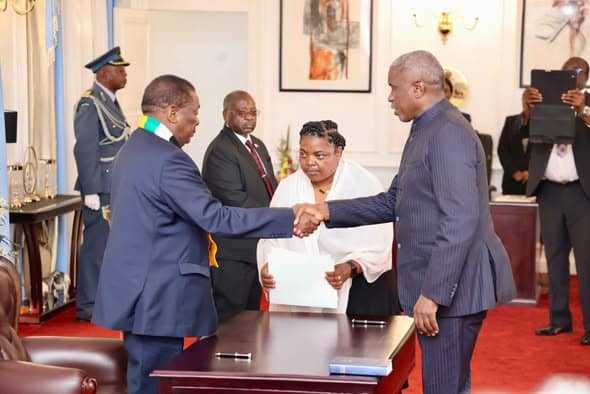
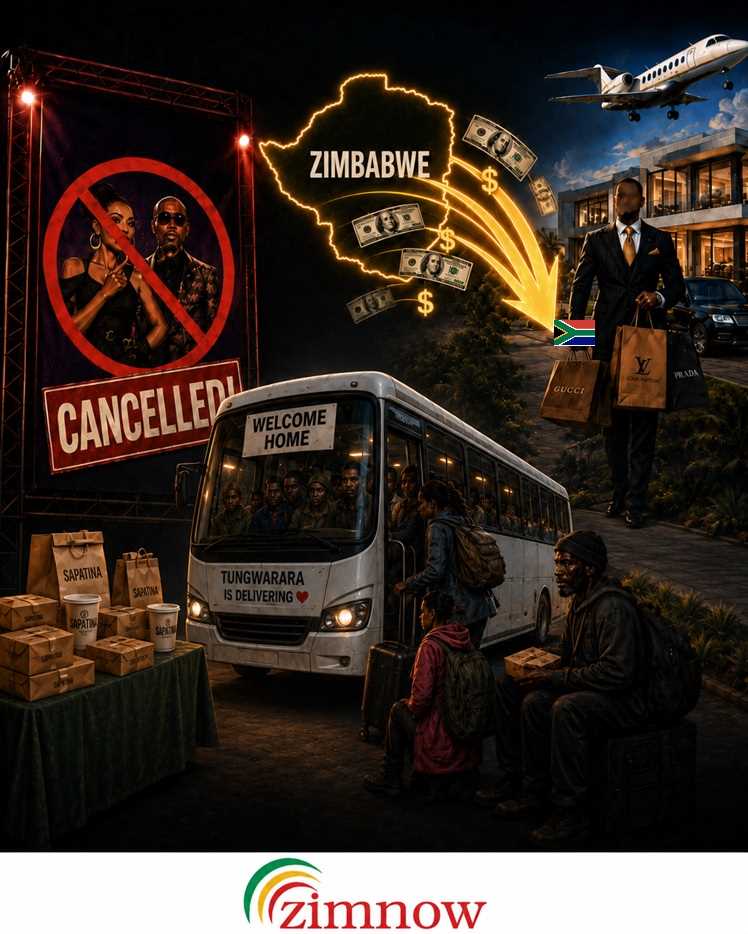
The same social media crowd that forced a corporate giant to drop South African artists has been quiet, or openly appreciative, over reports that presidential advisor Paul Tungwarara sponsored 50 buses and fast food for Zimbabweans returning from South Africa.
Granted, transport and food matter in a crisis. But relief is not repair. A bus brings people home but does not answer what they are coming home to. A meal fills the stomach for a few hours but does not create work, dignity or a future.
Tungwarara has now been placed in the public eye as a rescuer of Zimbabweans fleeing South Africa. Yet the same South Africa has long appeared in the lifestyle content around his family as a place of comfort, mobility and elite consumption.
Publicly posted videos by his daughter, Tino Tungwarara, have shown private-jet travel to South Africa, a tour of a new mansions, shopping, clear arrows showing money being made in Zimbabwe and spent in South Africa.
So, we have Zimbabweans taking their anger out against South African artistes but not looking at our own elite sucking money out Zimbabwe to enrich the South African economy.
The rich Zimbabwean helps feed the economy that the poor Zimbabwean is later told to leave. Then, when the crisis explodes, we celebrate the rich man for sending buses.
Why are we not demanding that the rich Zimbabweans cancel their comfort in South Africa?
Why should people who make money in Zimbabwe, through Zimbabwean markets, Zimbabwean public contracts, Zimbabwean consumers, Zimbabwean political access, Zimbabwean land, Zimbabwean minerals, Zimbabwean licences or Zimbabwean influence, spend it in SA as things stand?
Related Stories
South Africa, the elite’s external living room
South Africa has been the elite’s external living room for decades. In 2022 another entrepreneur linked to government tenders, Zodwa Mnkandla celebrated her 50th birthday in Capetown over five days. Speculation put the bill around US$200 000 with vanity costs like her arriving for the main event in a chopper.
The Mugabe family’s South African connections also belong in this conversation. From the old Dr Cables hotel episode to the recent deportation of Chatunga from the country, the family has gone to spend their Zim extracted wealth in South Africa.
Wicknell Chivayo has been shown to have bank accounts and properties in SA. A document allegedly leaked by that country’s investigators implies that the money may be coming directly from the Government of Zimbabwe.
Finance Secretary George Guvamatanga flew in Makhadzi for a private event for a reportedly exorbitant amount and literally showered her with more cash during her performance.
Other prominent Zimbabweans including church leaders, activists and business leaders have all been linked to large investment and lavish spending in SA through Sandton showrooms, private hospitals, private schools, hotels, shopping malls, suppliers, lawyers, parties, cars and homes.
That is why this outcry cannot be considered complete without looking at Tungwarara as the face of a deeper contradiction.
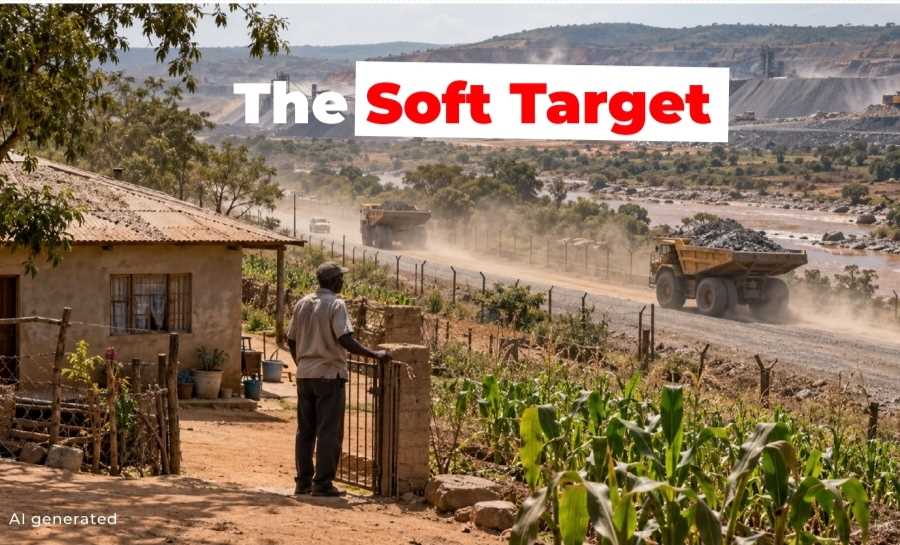
Soft targets don’t lead to real change
Zimbabweans must demand real change at home. The people fleeing South Africa left because home failed to hold them as industries shrank, services collapsed, corruption flourished, opportunities narrowed, jobs were not there and wages failed,
What does it mean to cancel Mafikizolo while the politically connected rich continue to send their own money, families, shopping lists and lifestyle ambitions?
Every celebrated “patriot” who can fund buses and other cosmetic aid must be asked to invest in productive work: agro-processing plants, vocational centres, export businesses, clinics, schools, transport companies, local manufacturing, irrigation schemes, township markets and youth employment programmes.
The Mafikizolo cancellation is symbolic. The Tungwarara buses are charitable. Neither touches the engine of migration. The victory delivers very cold comfort to the returning people who must still figure out how to survive when social media moves on with algorithms.
These are issues that many Zimbabweans have likely not thought about. Ironically, while Mai TT implored Zimbabweans to stop and think, this is one conversation she will probably not want to touch.




Leave Comments