









Cheng He - Chief Editor at CGTN Global Business
China recently handed in its first-half economic report card, showing that growth slowed to 4.3% in the second quarter, amid declining investment and relatively subdued consumption. Foreign trade remained the brightest spot, with exports rising 13.4% and imports increasing 22.1% in the first half of 2026.
Backed by efficient and highly sophisticated industrial chains, China has maintained its position as the world's largest manufacturer, sustaining robust export growth despite geopolitical tensions and global uncertainties. But while strong external demand has helped offset weaker domestic drivers, policymakers are eager to rebalance growth by putting consumption at the center of the economic agenda.
Just two days before the release of the first-half economic data, the central government approved a comprehensive plan to expand consumption during the 15th Five-Year Plan period (2026-2030). Covering policy priorities, institutional reforms and sector-specific measures, the plan sets a target of raising annual consumption to 60 trillion yuan by 2030, up from around 50 trillion yuan in 2025.
A 20% increase over five years translates into a compound annual growth rate of about 3.7% — an ambitious target, especially given that retail sales grew by only 1.3% in the first half of this year. This is why one part of the consumption promotion plan particularly caught my attention: enhancing people's capacity to consume.
Consumers' willingness and ability to spend are two sides of the same coin. While confidence and expectations matter, the ability to consume ultimately depends on income, wealth and social security. Recognizing this, the plan dedicates a key section to "striving to enhance consumption capacity."
One major policy direction is increasing household income through multiple channels. The plan calls for steadily raising minimum wages and ensuring that hard work, professional skills and innovation are better rewarded.
Another important area is the property market, whose recovery is closely linked to household wealth. Real estate has long been the largest component of Chinese household wealth, accounting for nearly 70% of family assets at its peak, according to some estimates. During the years of rapid expansion, rising home prices created a wealth effect that encouraged households to spend more.
The prolonged downturn in the property sector, however, has had the opposite impact. It has not only weakened housing demand but also dampened consumer confidence more broadly.

In some countries, a correction of such magnitude could trigger a broader financial crisis, with severe consequences for banks and households. But China's property downturn has so far been contained, partly due to earlier measures aimed at preventing excessive leverage and speculation, including higher down-payment requirements and purchase restrictions. These measures helped prevent a systemic financial collapse similar to the US housing crisis of 2008.
After several years of adjustment, the property market is showing early signs of stabilization, with declines in home prices easing in recent months. While the correction has removed some of the previous excesses, new demand is emerging for larger homes, upgraded housing and properties with improved quality and services.
Related Stories
The government has also shifted its focus toward developing "quality homes" — housing that is safer, more comfortable, environmentally friendly and smarter. Demand for second homes and vacation properties is also gradually emerging. The property sector will continue to play an important role in China's economy, but its function and growth model are entering a different stage.
The capital market is another area highlighted in the effort to strengthen household consumption capacity. Compared with over-financialization seen in the US economy, China's capital market remains relatively underdeveloped compared with the scale of its real economy. Over the past decade, the Shanghai Composite Index has gained around 28%, while China's nominal GDP has more than doubled.
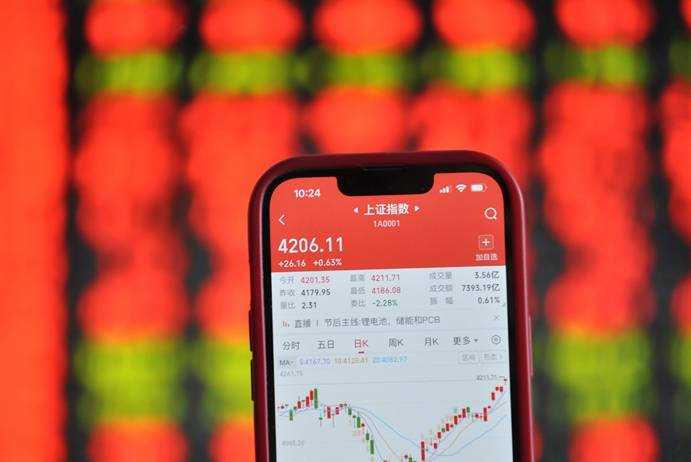
The consumption plan calls for consolidating the stable and positive momentum of the capital market and increasing residents' asset income. During the current market recovery since 2024, efforts have been made by state-backed funds such as Central Huijin Investment Ltd. to stabilize market sentiment through equity and fund purchases during periods of heavy selling, while also curbing excessive speculation when markets become overheated.
A stable and steadily rising capital market — a "slow bull" market where ordinary investors can preserve and grow wealth while sharing in the benefits of innovation-driven economic development — is part of the broader goal of improving household income and consumption capacity.
The plan also includes strengthening social security, including improving basic medical insurance and pension systems, while increasing public consumption in areas such as education, healthcare and elderly care. These measures align with the broader policy narrative of "investing in people" highlighted in the overall blueprint for the 15th Five-Year Plan.
Meanwhile, efforts will continue to make China more attractive and accessible to international visitors by expanding visa-free policies and improving services such as customs clearance and tax refunds for departing tourists.
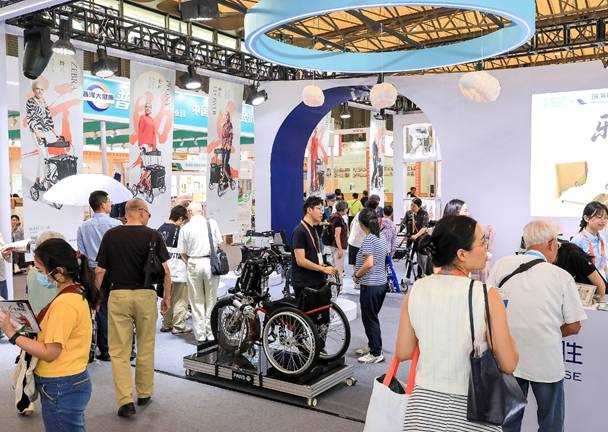
Visitors browse and purchase assistive devices at the China International Exhibition of Senior Care, Rehabilitation Medicine and Healthcare in Shanghai, June 7, 2026. /VCG
With a population of 1.4 billion and a long tradition of high household savings, China possesses enormous consumption potential. The challenge is not a lack of demand, but how to unlock that demand by improving people's confidence, income prospects and ability to spend.
Ultimately, boosting consumption is not simply about encouraging people to open their wallets. It requires creating conditions where households feel more secure about their future, more confident about their wealth and more willing to participate in the next stage of economic growth.
Editor's note: Cheng He is a chief editor at CGTN Global Business. The article reflects the author's opinions and not necessarily the views of CGTN or ZimNow









Leave Comments