








Delta Corporation posted a strong start to the 2026 financial year, with first-quarter revenue rising 23% to US$294.6 million and total beverage volumes increasing 14%, underpinned by robust demand in Zimbabwe, where low inflation, currency stability and improved consumer spending boosted sales across most product categories.
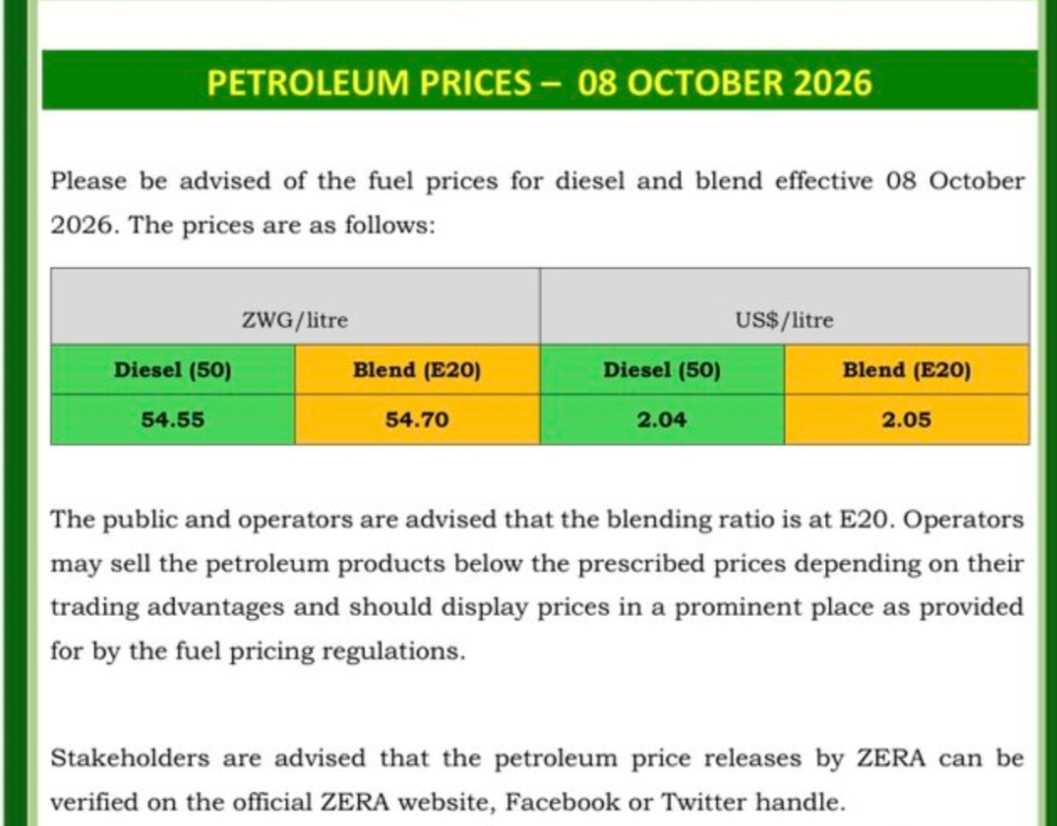
However, the beverage giant warned that high fuel costs, global supply chain disruptions, tax disputes and weaker regional markets continue to pose significant risks to future growth.
The trading update for the quarter ended 30 June 2026 paints two contrasting pictures: a recovering Zimbabwean market driving growth and regional operations still battling economic and operational challenges.
The strongest performance came from Delta's flagship Zimbabwean operations. Lager beer volumes increased 17%, while Sorghum Beer Zimbabwe volumes rose 20%, supported by improved product availability, stronger consumer demand and stable pricing. Non-alcoholic beverage volumes also performed strongly, increasing by 14%, while associate company AFDIS recorded an impressive 43% growth in volumes.
The company said improving macroeconomic conditions in Zimbabwe helped support consumer spending.
"The trading environment during the first quarter ended 30 June 2026 was largely steady, anchored by the stability of the ZiG currency, low inflation and firm economic activity. Consumer spending remained buoyant, benefiting from firm mineral prices, increased mining activity, improved agricultural output, tobacco season liquidity and diaspora remittances," Delta said.
The performance reflects Zimbabwe's improving macroeconomic environment. Annual ZiG inflation has remained in single digits throughout 2026, while relative exchange rate stability has helped restore consumer confidence after years of price volatility.
Delta said formal businesses also continued to benefit from improved market conditions.
"The proportion of domestic sales undertaken in foreign currency remained above 90%, reflecting the continued dollarisation of the economy. The weakness of the US dollar against the Group's main trading currencies presented both opportunities and risks, with stronger mineral prices bolstering foreign currency inflows while rand- and euro-denominated imported inputs placed pressure on the cost base."
The company noted that informal sector activity remained a significant driver of trade despite Government efforts to encourage greater formalisation.
Across its core beer business, Delta continued to benefit from strong consumer demand and improved supply following investments to expand production capacity.
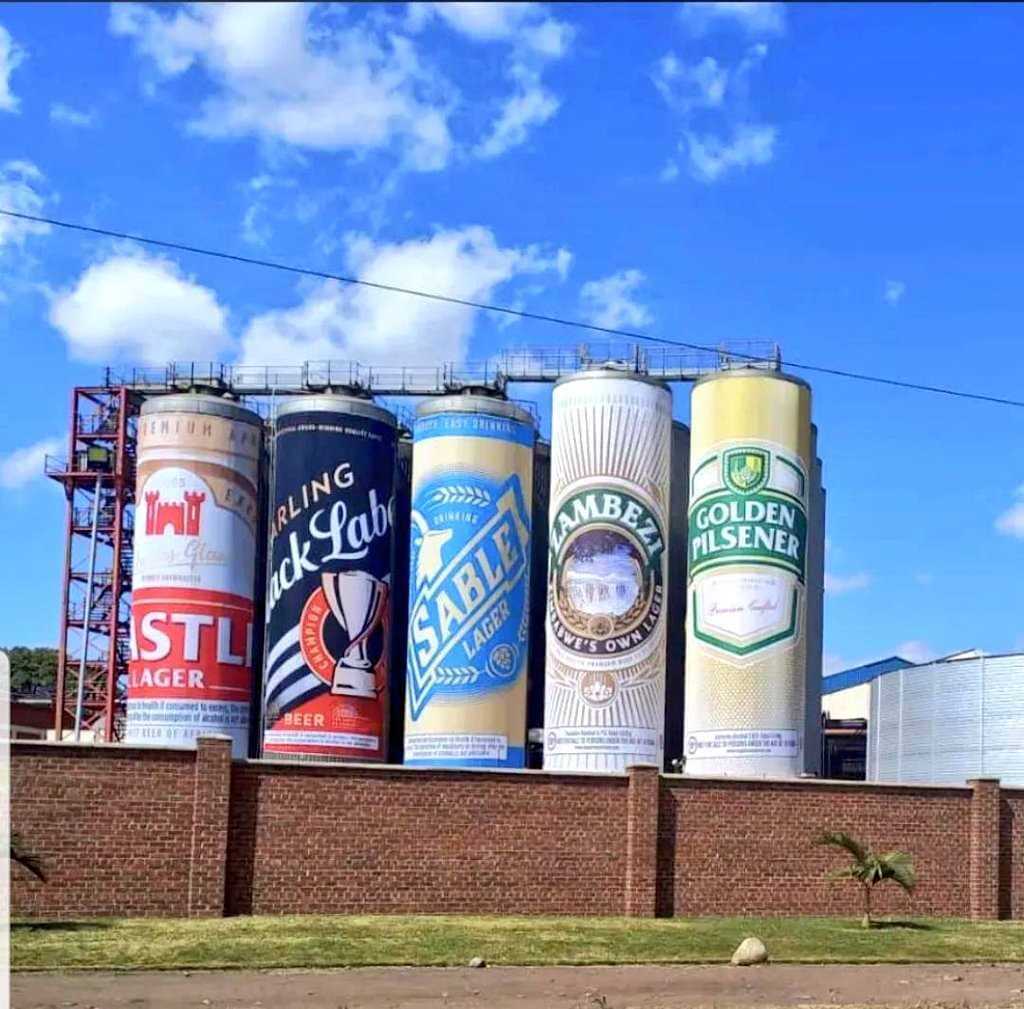
Lager beer volumes grew 17%, driven by premium brands such as Zambezi Premium Lager, which recorded strong growth from a relatively low comparative base.
Delta said demand remained firm because of stable pricing, increased consumer incomes and strong brand equity. Although production capacity remained constrained, the company said targeted imports from regional breweries helped bridge supply gaps while capacity expansion projects continue.
The business expects additional brewing, returnable glass and packaging investments, which are scheduled for completion later this year, to progressively eliminate shortages.
The Sorghum Beer Zimbabwe business also delivered another strong quarter.
Volumes increased 20%, supported by improved supply, continued consumer acceptance and extensive route-to-market investments.
The company said demand was reinforced by marketing initiatives, wider product distribution and continued activation of the Chibuku brand. However, Delta acknowledged that the business continues to face intense competition from informal alcohol products.
In contrast, regional operations presented a more challenging picture.
South Africa's United National Breweries recorded a 7% decline in volumes, reflecting weaker consumer spending, operational disruptions and continued distributor challenges.
Related Stories
Delta said premium carbonated offerings continued to gain market share, but overall trading conditions remained difficult.
Meanwhile, National Breweries Zambia reported a 12% decline in volumes despite improved product availability.
The company attributed the slowdown to lower demand for traditional beer and PET-packaged products, while acknowledging that high fuel costs and interruptions in sugar supplies also affected production.
Despite these regional setbacks, Delta's wines and spirits business continued its recovery.
AFDIS volumes surged 43%, supported by improved product availability following the restoration of packaging supplies, stronger market execution and increased consumer demand.
Delta also reported significant progress in expanding production capacity.
Additional packaging capacity is expected to be commissioned during the third quarter, while several brewing expansion projects remain on schedule.
The company said these investments are intended to eliminate supply shortages, support future growth and improve operational efficiency.
Yet management cautioned that several risks continue to cloud the outlook.
Among the biggest challenges are rising fuel prices, higher logistics costs, imported inflation, geopolitical tensions, global supply chain disruptions and exchange rate volatility affecting imported inputs.
The company also highlighted ongoing tax disputes with the Zimbabwe Revenue Authority.
Delta disclosed that ZIMRA continues to pursue historical tax assessments covering the period from 2019 to 2024, amounting to approximately US$97 million.
The dispute largely centres on the currency in which tax liabilities should be settled following legal changes affecting foreign currency obligations.
Delta said that while it believes its legal position is sound, the outcome remains uncertain because the appeals are still before the courts.
The company is also contesting transfer pricing assessments involving its Zambian operations.
Although management expects Zimbabwe's stable macroeconomic environment to support continued growth, it warned that sustaining momentum will depend on preserving policy stability.
"The Group enters the second quarter with strong trading momentum across its Zimbabwe businesses, supported by currency stability, low inflation, firm consumer spending, higher mineral prices and improving agricultural output. Sustaining policy consistency, currency stability and a review of fiscal measures affecting the competitiveness of local manufacturers will be important in preserving current growth momentum," Delta said.
The results reinforce the growing divergence between Zimbabwe and some regional markets. While Zimbabwe's improving macroeconomic conditions are supporting consumer demand and beverage consumption, Delta's South African and Zambian businesses continue to grapple with weaker economic activity, operational disruptions and higher input costs.
The update suggests to investors that Delta remains one of the biggest corporate beneficiaries of Zimbabwe's recent economic stabilisation.
However, the company makes it clear that sustaining growth will depend on continued macroeconomic stability, the successful completion of capacity expansion projects and the resolution of outstanding tax disputes, which remain among the biggest uncertainties facing the Group.









Leave Comments