








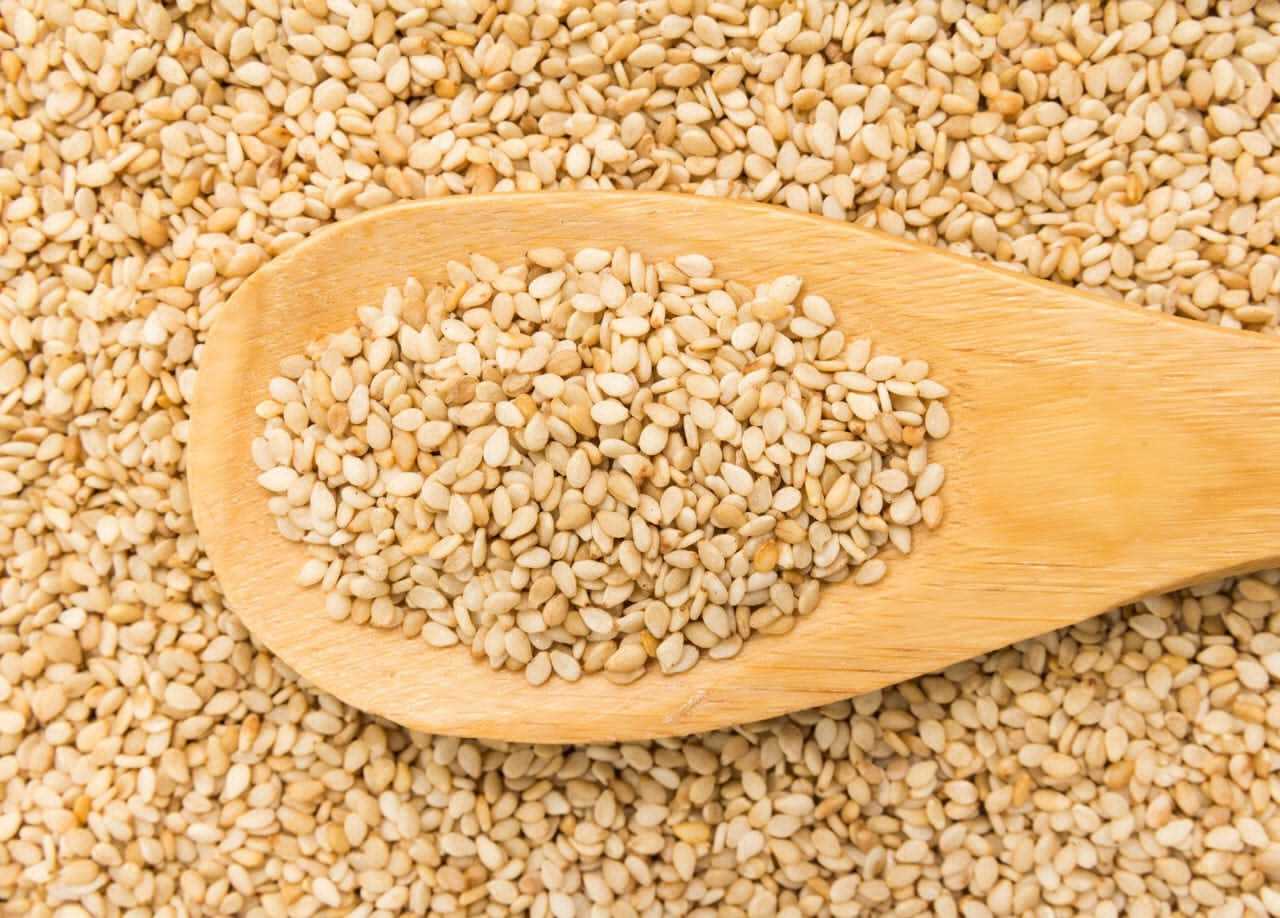
Zimbabwe formally marketed 2.315 million kilogrammes of sesame worth approximately US$1.84 million during the 2025/26 season, as authorities move to strengthen the crop's position as a high-value and export-oriented commodity.
The Agricultural Marketing Authority (AMA) said the season officially closed on August 14, with the recorded volumes coming through registered buyers.
“During the season, a total of 2,315,001 kilogrammes of sesame, valued at approximately US$1.84 million, was formally recorded through registered buyers,” AMA said.
The figures translate to an average realised value of about US$0.80 per kilogramme, highlighting both the emerging commercial potential of sesame and the relatively small scale of the formal market compared with Zimbabwe's major agricultural commodities.
AMA said it intensified compliance monitoring during the season as part of efforts to curb side-marketing and bring more of the crop into formal channels.
Seven compliance tickets worth US$7,000 were issued for identified violations, while 26,096.33kg of sesame valued at approximately US$18,630.80 was confiscated and auctioned during enforcement operations.
The confiscated volume represented about 1.1% of the total sesame formally recorded during the season, suggesting that while the bulk of the marketed crop passed through registered buyers, authorities still faced leakage from the formal marketing system.
The enforcement action also comes as Zimbabwe seeks to develop alternative high-value agricultural commodities capable of generating export earnings and diversifying rural incomes.
Sesame has advantages as a relatively drought-tolerant oilseed and is increasingly viewed as an opportunity for smallholder farmers in areas where climate variability makes conventional crops more difficult to produce consistently.
Related Stories
However, the US$1.84 million formal market remains modest, meaning the crop will need significantly larger production volumes, stronger productivity and reliable export markets if it is to become a meaningful contributor to agricultural foreign-currency earnings.
The formalisation of the market is therefore critical.
Side-marketing can weaken the ability of authorities to accurately measure national production, enforce quality standards and monitor contractual arrangements between farmers and buyers. It can also undermine legitimate contractors who invest in inputs and production financing.
AMA said preparations for the 2026/27 summer production season are already underway, with registered and prospective sesame contractors required to submit their cropping and contracting plans.
The next phase will therefore be about moving beyond compliance towards expansion.
For sesame to become a significant export crop, Zimbabwe will need to improve yields, strengthen farmer-contractor relationships, expand aggregation and storage capacity, and ensure that farmers have access to appropriate seed, finance and technical support.
The crop's export potential also means quality will become increasingly important. Consistent grading, traceability and compliance with destination-market standards will determine whether increased production translates into higher export earnings.
AMA said it would continue working with farmers, contractors, Government institutions and other stakeholders to “improve productivity, strengthen compliance, expand formal marketing channels and position sesame as an increasingly important high-value and export-oriented crop.”
The 2025/26 season provides a baseline from which that ambition can be measured.










Leave Comments