









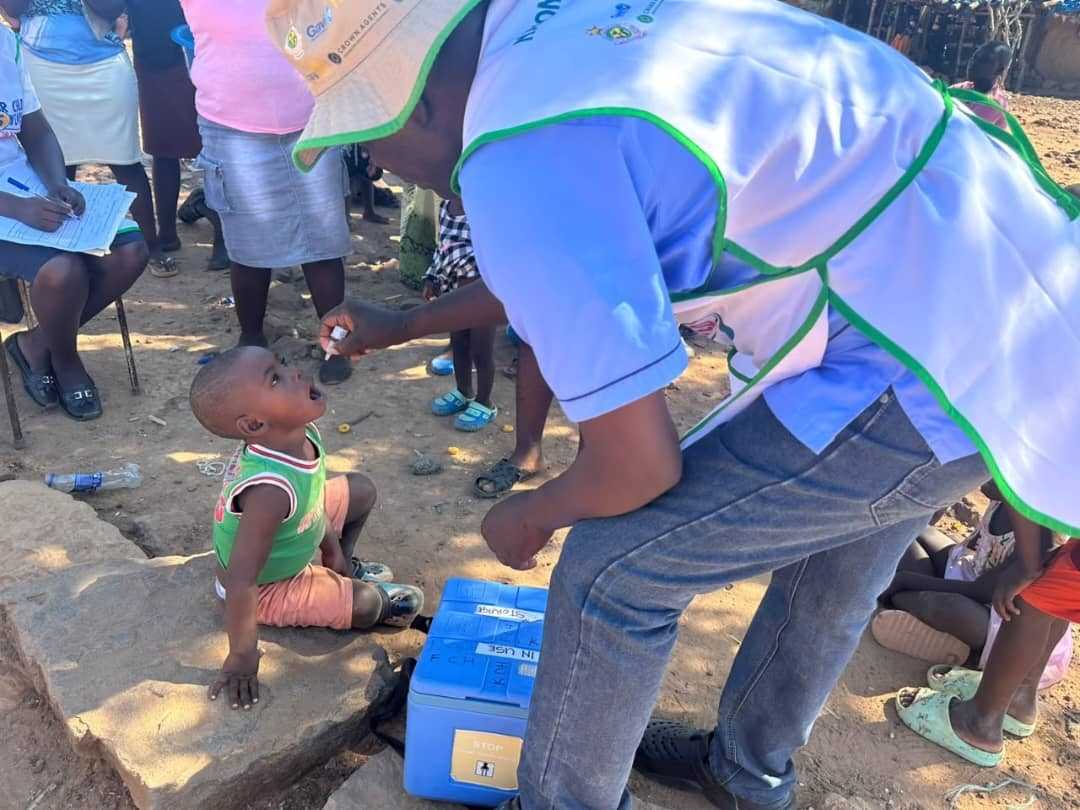
Zimbabwe is relying on routine childhood immunisation, wastewater testing and vaccination campaigns to sustain its polio-free status, with the Ministry of Health and Child Care highlighting these measures as the country marked World Polio Day.
The ministry said the last wild poliovirus was detected in Zimbabwe in 1986, with the country certified as polio-free in 2005.
“Let us continue working together towards a polio-free Zimbabwe and a polio-free world,” the ministry said in its World Polio Day message, commemorated under the theme “One Day, One Focus: Ending Polio.”
Related Stories
The ministry identified sustained childhood immunisation coverage, the introduction of vaccines in line with global recommendations, and intensive vaccination campaigns as key milestones in the country’s polio eradication efforts.
It also cited the World Health Organisation’s accreditation of the National Virology Laboratory, which enables the timely detection of polioviruses locally, as well as the introduction of environmental surveillance, including wastewater testing to detect the virus.
Polio is a serious infectious disease that can cause paralysis, disability and death, making vaccination and continued surveillance essential to protecting children.
The ministry urged the public to maintain confidence in the national immunisation programme and acknowledged the contributions of health workers and partners to the country’s polio eradication efforts.






Leave Comments