








Zimbabwe must use its recent macroeconomic stabilisation to accelerate structural reforms and create up to 230,000 new jobs by 2040, the World Bank has said.
In its Zimbabwe Growth and Jobs Report, launched in Harare on Friday, the bank said recent progress had restored macroeconomic stability, with local currency inflation falling into single digits in early 2026 for the first time since 1997, while real GDP growth averaged nearly 6% between 2021 and 2025.
However, the report warns that this growth has not translated into broad improvements in formal employment or household incomes.
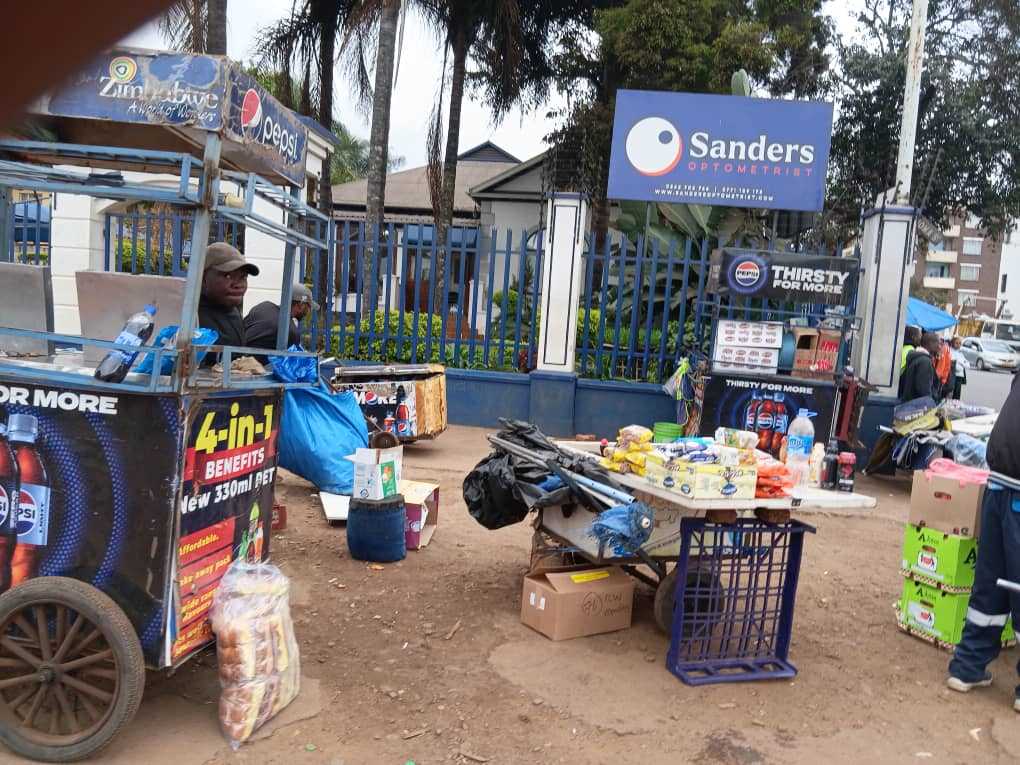
About 80% of Zimbabweans work in the informal sector, earning median monthly incomes of around US$130, while nearly half the population remains below the international poverty line.
The World Bank said labour was moving out of agriculture, mainly into low-productivity retail and informal services, rather than higher-value manufacturing and services.
Related Stories
“The window of opportunity created by recent stabilisation is open, but decisive and coordinated execution over multiple years will be essential,” said Victor Steenbergen, World Bank senior economist and lead author of the report.
Under the current trajectory, Zimbabwe is projected to grow by an average of 4% through 2030, delaying the attainment of upper-middle-income status until 2036.
However, accelerated structural reforms could lift real GDP by an additional 10.7% by 2030 and 26.9% by 2040 above the baseline, while increasing real worker earnings by more than 30%.
The bank identified power, transport and irrigation infrastructure, business regulation, private-sector investment and debt resolution as key reform priorities.
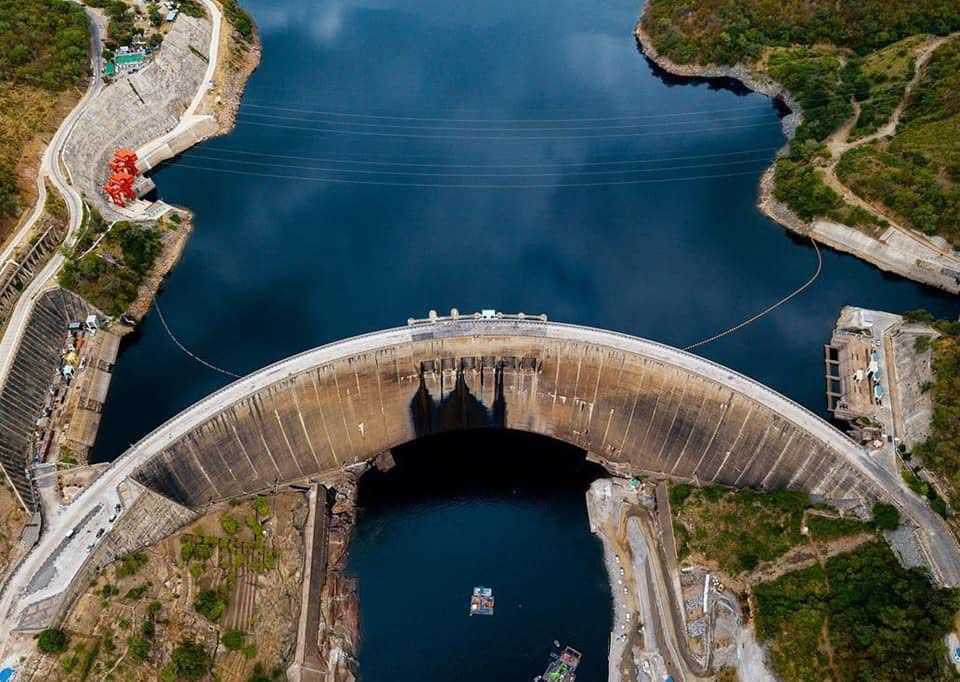
Electricity shortages alone are estimated to cost Zimbabwe 6.1% of GDP annually, highlighting the scale of the country’s infrastructure constraints.
World Bank Division Director Firas Raad said Zimbabwe now needed to convert stabilisation into tangible improvements in livelihoods by removing infrastructure bottlenecks, creating a predictable investment environment and attracting private capital.







Leave Comments